


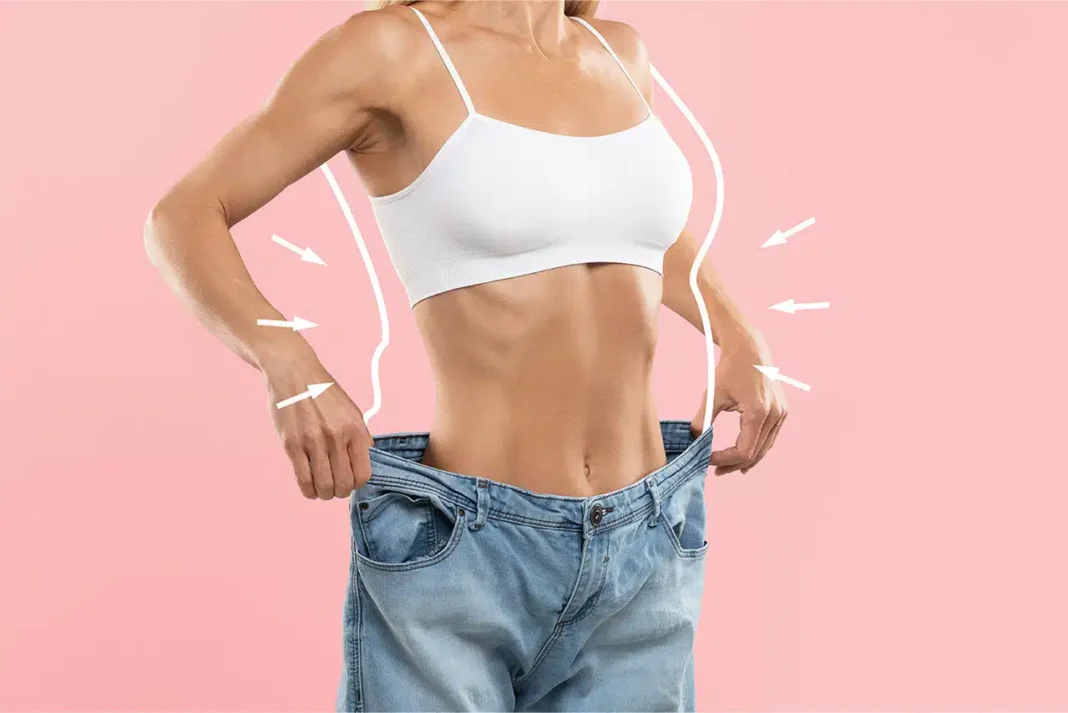

The body one sees in the mirror is not merely a physical silhouette. A mother’s remark in childhood, a father’s gaze, the sense of security or anxiety felt in close relationships—all of these form hidden layers of meaning that we continue to attach to our bodies years later. Body image, therefore, is not simply about weight, height, or facial features; it is a deeply rooted psychological construct woven together with family dynamics and attachment styles.
Of course, these internal dynamics are compounded by the voices of the outside world. Social media is among the most powerful echoes of the modern age. In a single day, we encounter dozens of “perfect” faces and bodies. Flawlessly filtered skin, angles captured at just the right moment, physiques that appear to have been molded from a single template—these images quietly imprint in our minds an unspoken template of what the “ideal” body should be.
The acceptance or criticism provided by parents, peer comments about the body, and the lifelong attachment styles we carry merge with the influence of social media to either reinforce or undermine our body image. In my research, I observed that young women’s perceptions of their bodies are shaped not only by the reflection in the mirror, but also by the family relationships and parental attitudes they have internalized since childhood.
Micro-Moments, Macro Reflections
This study was conducted with 200 women aged 18–35, including in-depth interviews with 20 participants. Validated psychological scales were used to assess body image, attachment styles, and parental attitudes. The results were striking: women with secure attachment styles tended to be more at peace with their bodies, whereas those with anxious attachment styles were more self-critical and preoccupied with their physical appearance. Avoidant attachment, in many cases, emerged as a factor that reduced negative body perceptions. Parental attitudes showed a complex picture: ethical or emotional support from mothers and fathers was protective, while maternal over-involvement in daily life skills and paternal over-involvement in academic matters increased body dissatisfaction.
The impact of social media was also evident. Greater use was linked to reduced body satisfaction; women who spent more than three hours a day on social media experienced higher levels of dissatisfaction and negative comparisons. When alcohol and tobacco use were factored in, negative perceptions of the body deepened further. Three main themes emerged in the interviews: relentless mental preoccupation with body concerns, avoidance of social environments or attempts to modify appearance, and impulsive reactions triggered by emotional fluctuations.
Altogether, these findings demonstrate that body image is not simply a matter of physical appearance. Rather, it is profoundly influenced by the relationships we form from childhood, the parental attitudes we internalize, and the social environment that shapes the meaning we attach to the reflection in the mirror.
Treatment and Pathways to Change
Body image disturbance is far more than a matter of “disliking one’s appearance”; it can develop into a serious condition associated with social isolation, eating disorders, depression, and even suicidal ideation (Phillips, Didie, Menard et al., 2006; Veale, 2004). Yet scientific research shows that this condition is both preventable and treatable at individual and societal levels.
Cognitive-Behavioral Therapy (CBT)
CBT is the most evidence-based psychotherapy for body dysmorphic disorder and negative body image. It aims to identify, question, and restructure maladaptive thought patterns, fostering more realistic perspectives (Rosen, Reiter & Orosan, 1995). Mirror exposure exercises, in particular, help reduce avoidance behaviors and cultivate a neutral or even positive view of the body.
Attachment-Based Therapeutic Approaches
Research indicates that secure attachment styles positively affect body image. Recognizing relational patterns rooted in childhood and strengthening secure attachment skills in adulthood can transform one’s relationship with the body.
Family and Parental Counseling
Overly controlling or critical parental attitudes heighten body dissatisfaction. Family counseling can foster healthier communication channels between parents and children, serving as a protective factor.
Media Literacy and Social Media Awareness
Understanding that visual content is detached from reality helps reduce body dissatisfaction driven by social media. Media literacy programs can raise awareness about photo manipulation, filters, and the myths of the “ideal” body.
Promotion of Societal Body Diversity
Studies show that exposure to diverse body types in media contributes positively to individual body image. Inclusive language and visual diversity in advertising and fashion can have long-term protective effects.
Support Groups and Peer Communities
Sharing experiences with others facing similar challenges reduces feelings of loneliness and strengthens motivation for recovery (Veale et al., 1996).
Concluding Remarks
Improving body image requires a multidimensional approach that extends from individual therapy sessions to strengthening family relationships and increasing diversity in media representation. For the reflection in the mirror is not solely our own; it is a shared product of family, society, culture, and the relationships that shape us.
References
Phillips, K. A., Didie, E. R., Menard, W., Pagano, M. E., Fay, C., & Weisberg, R. B. (2006). Clinical features of body dysmorphic disorder in adolescents and adults. Psychiatry Research, 141(3), 305–314.
Veale, D. (2004). Advances in a cognitive behavioural model of body dysmorphic disorder. Body Image, 1(1), 113–125.
Rosen, J. C., Reiter, J., & Orosan, P. (1995). Cognitive-behavioral body image therapy for body dysmorphic disorder. Journal of Consulting and Clinical Psychology, 63(2), 263–269.
Veale, D., Gournay, K., Dryden, W., Boocock, A., Shah, F., Willson, R., & Walburn, J. (1996). Body dysmorphic disorder: A cognitive behavioural model and pilot randomised controlled trial. Behaviour Research and Therapy, 34(9), 717–729.