


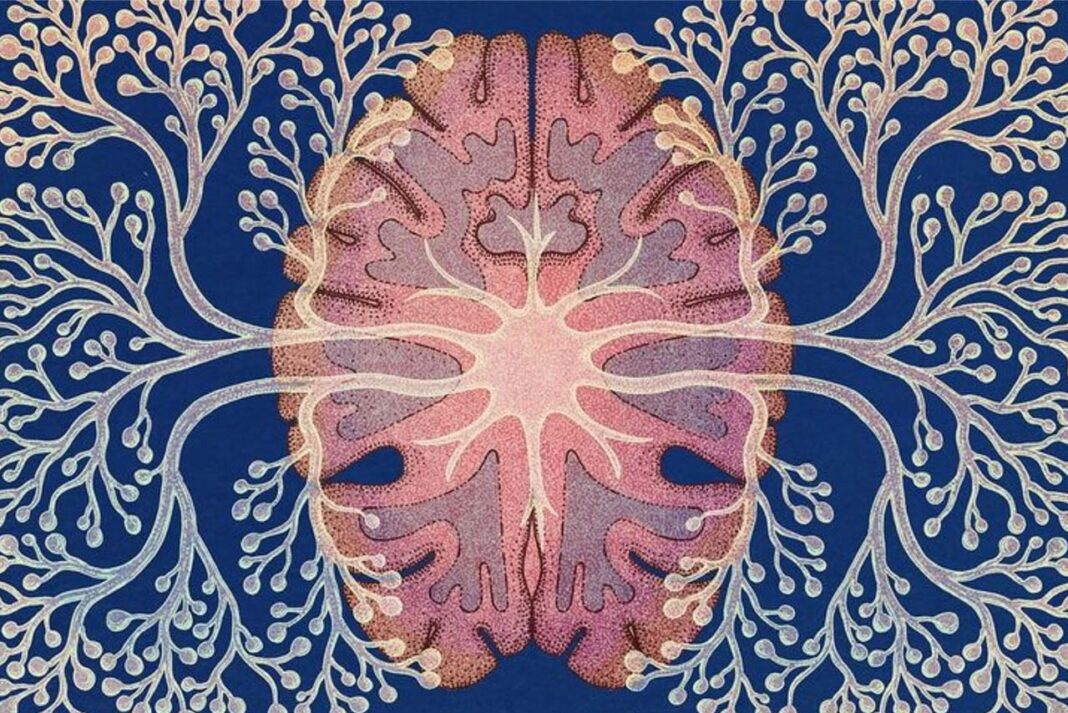

Genetic predispositions and environmental factors constantly interact to shape the structure and function of the developing brain, which is a dynamic biological system. The monoamine oxidase A (MAO-A) gene, which has been thoroughly studied for its role in emotional development, stress reactivity, and behavioral outcomes, is one of the most significant examples of this interaction. Low-activity variants of MAO-A frequently exhibit increased sensitivity to unfavorable social environments in early life, making this gene a prime example of how social experience and biological vulnerability interact to influence long-term neural and emotional trajectories.
Serotonin, dopamine, and norepinephrine are important neurotransmitters that are essential for controlling emotions and inhibiting behavior. Monoamine oxidase A is responsible for their metabolism. Low-activity MAO-A variants reduce the enzymatic breakdown of these neurotransmitters, producing a neurochemical environment marked by increased monoaminergic signaling (Shih et al., 1999). Even minor variations in neurotransmitter availability can influence the development of neural circuits involved in threat detection, impulse control, and social cognition during early brain development, when synaptic pruning, dendritic growth, and network stabilization are at their peak. Therefore, low MAO-A expression increases baseline sensitivity to environmental influences rather than independently determining developmental outcomes.
Early Social Stress and Biological Sensitivity
When significant social stressors are present in early life, this biological sensitivity becomes especially consequential. Children with low-activity MAO-A variants who are exposed to abuse, harsh parenting, or persistent social conflict consistently show heightened emotional reactivity and increased susceptibility to psychopathology (Caspi et al., 2002). In contrast, individuals raised in supportive and nurturing environments often demonstrate enhanced social attunement rather than adverse outcomes. This asymmetry reinforces the idea that genes operate within a developmental ecology rather than in isolation. Low-activity MAO-A amplifies both protective and harmful environmental effects.
Stress, Neural Plasticity, and Circuit Formation
At the level of neural circuitry, the mechanisms through which social stress interacts with the MAO-A genotype are becoming increasingly clear. Early adversity activates the hypothalamic-pituitary-adrenal axis, leading to elevated glucocorticoid exposure during critical periods of brain development. Prolonged exposure to stress hormones has been shown to alter dendritic morphology and synaptic plasticity in brain regions essential for emotional regulation, particularly the prefrontal cortex and amygdala (McEwen, 2007). Because their baseline neurochemical state already biases neural circuits toward heightened threat sensitivity and emotional reactivity, individuals with low-activity MAO-A variants may be especially vulnerable to these stress-related neural changes.
Amygdala Reactivity and Threat Processing
One critical neural node through which gene–environment interactions emerge is the amygdala, a structure essential for detecting and responding to potential threats. Individuals with low-activity MAO-A variants show increased amygdala reactivity to socially threatening stimuli, such as angry facial expressions (Meyer-Lindenberg et al., 2006). When combined with early environmental stress, this biological predisposition further heightens amygdala responsiveness. Over time, synaptic pathways may be shaped by this heightened reactivity, reinforcing rapid and instinctive responses to perceived danger.
Prefrontal Cortex Development and Emotional Regulation
In contrast, the prefrontal cortex, which exerts top-down control over emotional responses, develops more gradually and remains highly plastic throughout childhood and adolescence. Chronic early-life social stress can disrupt prefrontal cortex maturation and weaken its regulatory influence over limbic activity. In the context of low MAO-A expression, where emotional signaling is already amplified, underdevelopment of prefrontal regulatory circuitry can lead to a persistent imbalance between emotional reactivity and cognitive control. This imbalance represents one of the most robust neural markers of long-term vulnerability to anxiety, impulsivity, and affective disorders.
Differential Susceptibility and Positive Adaptation
Importantly, this biological narrative is not deterministic. The same sensitivity that magnifies the effects of adverse social conditions can also enhance the benefits of supportive environments. Research on differential susceptibility suggests that individuals with elevated biological reactivity, including those with low-activity MAO-A variants, may thrive exceptionally well in social contexts characterized by warmth, predictability, and emotional support (Belsky & Pluess, 2009). In such environments, neural circuits supporting social engagement, emotional understanding, and empathy may become more finely tuned. Biological sensitivity, therefore, functions not only as a risk factor but also as a developmental amplifier.
Conclusion: Experience as Neurobiological Architecture
Taken together, the convergence of low-activity MAO-A expression and early social stress illustrates a broader principle of developmental neurobiology: early experiences become embedded within the neurobiological architecture itself rather than merely interacting with a fixed genetic template. Through alterations in neural circuitry, neurotransmitter signaling, and synaptic plasticity, early social environments exert lasting effects on the developing brain. Understanding these mechanisms not only clarifies the origins of emotional reactivity but also underscores the critical importance of supportive early environments, particularly for children with heightened biological sensitivity.
References
Belsky, J., & Pluess, M. (2009). The nature (and nurture?) of plasticity in early human development. Perspectives on Psychological Science, 4(4), 345–351.
Caspi, A., et al. (2002). Role of genotype in the cycle of violence in maltreated children. Science, 297(5582), 851–854.
McEwen, B. S. (2007). Physiology and neurobiology of stress and adaptation: Central role of the brain. Physiological Reviews, 87(3), 873–904.
Meyer-Lindenberg, A., et al. (2006). Neural mechanisms of genetic risk for impulsivity and violence in humans. Proceedings of the National Academy of Sciences, 103(16), 6269–6274.
Shih, J. C., Chen, K., & Ridd, M. J. (1999). Monoamine oxidase: From genes to behavior. Annual Review of Neuroscience, 22, 197–217.