


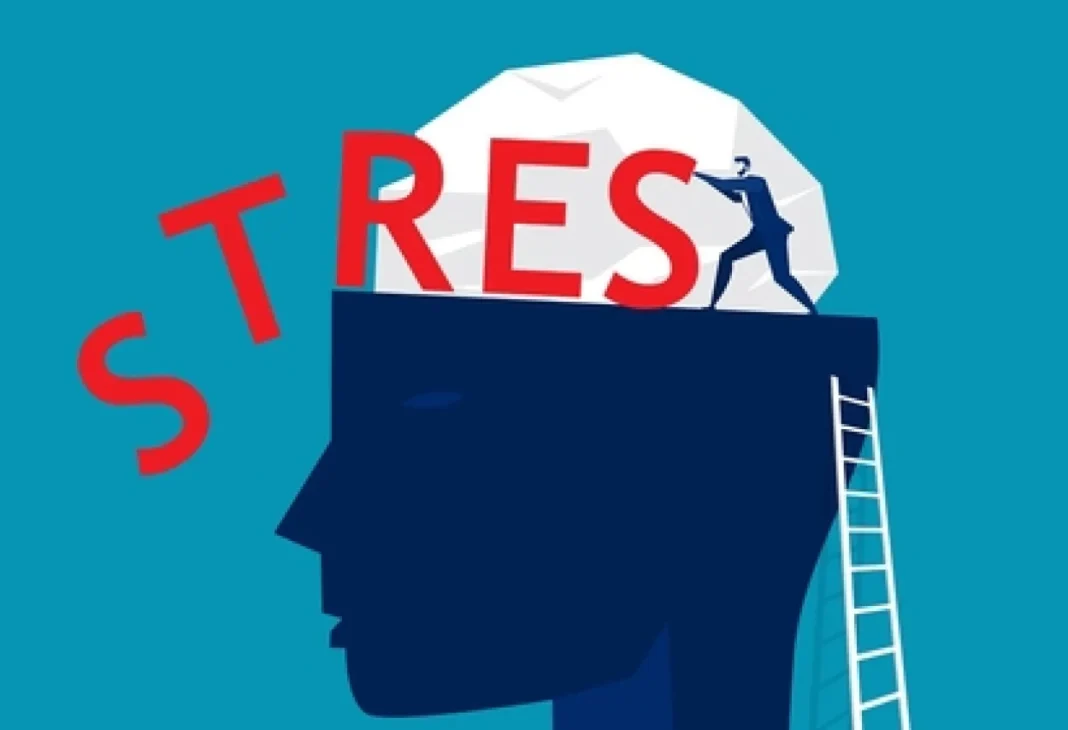

Some days, we may feel completely exhausted by the end of the day even though nothing particularly extraordinary has happened. The tasks remain unfinished, our phone notifications have not stopped, and our minds have moved from one thought to another throughout the day. Often, the answer to the question, “Why am I so tired today?” lies not in physical exhaustion but in the accumulation of mental load. Stress does not always arise from major life events; sometimes, it can emerge from the quiet accumulation of small burdens that continue over a long period of time.
Stress is not something that needs to be completely eliminated. In fact, a certain level of stress can help individuals adapt to their environment. Starting a new job, preparing for an important exam, or taking on a responsibility that requires effort are situations in which stress can increase attention, encourage action, and provide the necessary motivation. However, when this system remains active for a prolonged period, a mechanism that was initially protective can gradually become exhausting. At this point, the real need is not to eliminate stress completely, but to develop a healthier relationship with it.
Many people may perceive coping with stress as trying to eliminate every situation that causes stress. Yet uncertainty, change, and situations beyond our control are natural parts of life. Therefore, stress management is not so much about completely changing the external world as it is about regulating the psychological and behavioral responses an individual develops toward these circumstances.
The first step in coping with stress is being able to recognize it. Often, individuals notice the signals their bodies are giving them only after experiencing intense exhaustion. However, stress may begin to show itself much earlier. Symptoms such as tension in the neck and shoulders, jaw clenching, changes in sleep patterns, difficulty concentrating, a lower tolerance threshold, or constant mental preoccupation may indicate that the stress response is active. Recognizing these signals at an early stage can make it easier to intervene.
Another important point is being able to evaluate the thought patterns that contribute to stress. The same event can be experienced differently by different people. This is not only because of what happens, but also because of the meaning assigned to what happens. Constantly imagining the worst-case scenario, expecting flawless performance from oneself, or interpreting mistakes as failures can increase stress levels. Rather than trying to suppress thoughts, being able to question them and develop more flexible perspectives is an important part of stress management.
Time management also plays an important role in coping with stress. Being busy does not always create stress, but a lack of structure can often increase mental load. Prioritizing tasks, focusing on one task instead of trying to manage several at the same time, and setting realistic and achievable goals can help prevent the mind from remaining in a constant state of alert. Being productive and being constantly busy are not the same thing. Sometimes, making time for rest is also part of being productive.
Being able to set boundaries is another important skill that supports psychological resilience. Taking on every responsibility, trying to please everyone, or being constantly available can gradually cause individuals to put their own needs aside. Being able to say “no” when necessary, maintaining personal boundaries, and allowing oneself to rest are among the healthy behaviors that can reduce the burden of stress.
Not neglecting the needs of the body is also an important component of stress management. Regular sleep, adequate nutrition, and engaging in physical activity appropriate to an individual’s physical capacity support not only physical health but also psychological well-being. In addition, breathing exercises, relaxation practices, and mindfulness-based practices can contribute to restoring balance within the nervous system. The aim of these methods is not to eliminate stress completely, but to prevent the body from remaining in a constant state of alarm.
Social support is also a protective factor in coping with stress. Being able to share difficulties with someone trusted, feeling understood, and receiving emotional support can help lighten an individual’s burden. Sometimes, simply sharing an experience can contribute to feeling better, even without finding an immediate solution. People do not always have to face difficult periods on their own.
At the same time, it is important to recognize that not every period of stress can be managed independently. If stress persists for a long time, significantly affects daily life, or leads to substantial changes in sleep, functioning, relationships, or mood, seeking professional support can be an important step. Asking for help is not a sign of weakness; rather, it can be an indication of the value a person places on their psychological well-being.
Perhaps one of the most important ways of coping with stress is learning to let go of the need to control life completely and instead learning how to regulate ourselves. Life does not always unfold as expected; however, psychological balance can be maintained through the flexibility developed in response to changing circumstances. Completely eliminating stress is often impossible. Yet when our relationship with stress changes, it can stop being a force that controls our lives and become an experience that we can learn to manage.
Kaynakça
- American Psychological Association. (2023). Stress effects on the body. https://www.apa.org/topics/stress/body