


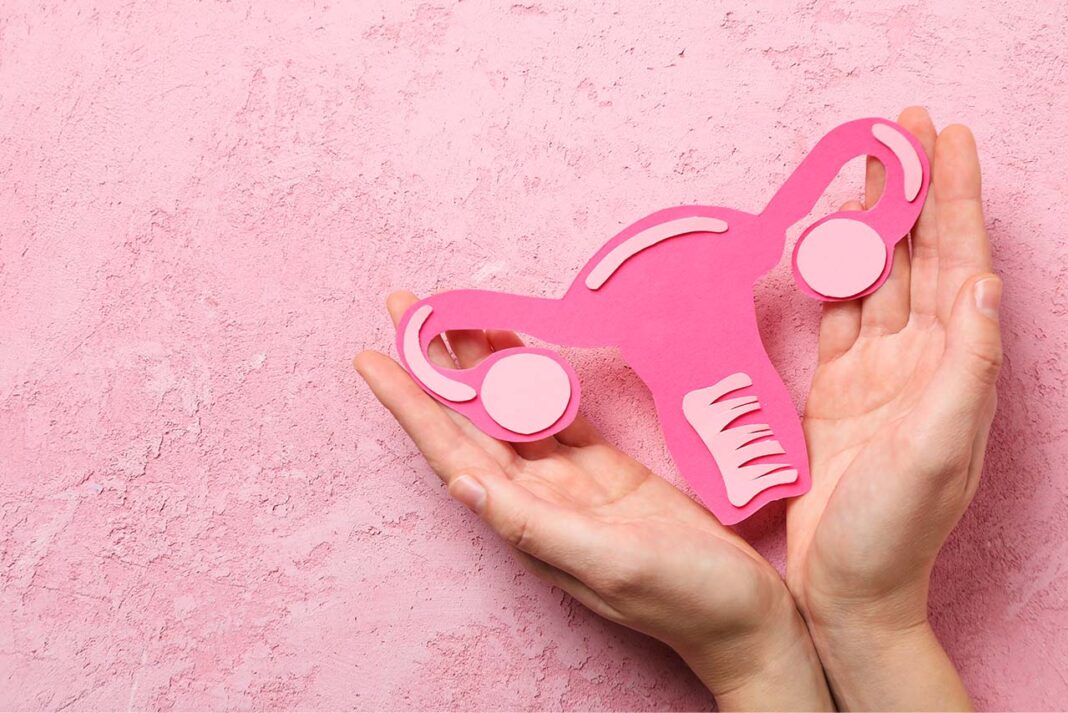

Female sexuality is not merely a physiological process but a complex concept shaped by the interaction of cognitive, cultural, and emotional factors. Among the most distressing conditions within this intricate structure is vaginismus.
From a physiological perspective, vaginismus is seen as a bodily reflex characterized by the inability to engage in sexual intercourse or undergo a vaginal examination. However, vaginismus cannot be explained so simplistically. A comprehensive assessment must also include psychological factors such as fear, anxiety, shame, guilt, or conscience.
The development of vaginismus is often not due to physiological causes; rather, it is significantly influenced by a woman’s misconceptions about sexuality, past negative experiences, and the cultural context in which she lives. In societies where sexuality is considered taboo, rarely discussed, or inadequately taught, the occurrence of vaginismus can be seen as inevitable.
Understanding the psychological components of vaginismus involves not only alleviating observable negative symptoms but also restructuring a woman’s relationship with her body, emotions, and sexual life.
The Psychodynamic Perspective: The Body Speaks What The Mind Suppresses
From a psychodynamic perspective, vaginismus is not merely an involuntary contraction of vaginal muscles but rather the bodily expression of unconscious conflicts. It may manifest as a defense mechanism against suppressed feelings toward intimacy, femininity, and sexuality.
The avoidance of sexual intercourse or gynecological examination becomes a means of protection from unconscious feelings such as anxiety, fear, shame, guilt, or loss of control, which threaten the organism. Thus, the body externalizes unresolved internal conflicts of the mind.
Many psychodynamic interpretations highlight early parental relationships as one of the most critical factors in the development of vaginismus. Overprotective, punitive, or sexually repressive parental attitudes—such as portraying sexuality as dangerous or immoral—can foster guilt, anxiety, and shame associated with sexual life.
The mother–daughter relationship is particularly significant in this context. A woman may internalize her mother’s repressive or anxious attitudes toward sexuality as a model, making it difficult to embrace and reconcile with her feminine and sexual identity.
As a result, female sexuality may be internalized as a threatening experience, manifesting later in life as vaginismus—a physiological expression of a psychological defense mechanism.
Psychodynamic therapy aims to promote emotional insight and awareness of unconscious meanings during the therapeutic process.
The Cognitive-Behavioral Perspective: Relearning Safety and Control
From a cognitive-behavioral perspective, modern approaches focus not only on behavioral modification but also on self-perception and emotional regulation. Interventions grounded in mindfulness aim to cultivate nonjudgmental and healthy awareness about sexuality, thereby reducing fear and anxiety.
Including the romantic partner in therapy may also enhance treatment outcomes by fostering communication and mutual understanding within the couple. Examining vaginismus from a cognitive-behavioral framework allows therapy sessions to be structured, measurable, and effective over a relatively short duration.
Numerous studies have demonstrated the high success rates of cognitive-behavioral therapy (CBT) in treating vaginismus (Öztürk, 2017). Ultimately, CBT underscores that vaginismus should not be regarded merely as a physiological issue but rather as a learned fear and belief system (Taştan, 2021).
It aims to help women establish a new and healthy relationship with their minds, bodies, and sexuality, promoting both symptomatic relief and personal transformation. When therapy is completed successfully, women can learn to voluntarily control vaginal muscles and reduce anxiety.
Cultural And Social Influences: The Silent Architects Of Shame
Vaginismus is not solely an individual psychological or physiological issue but one influenced by broader sociocultural factors. Societal norms, family roles, values, and sexual myths significantly shape how sexuality is perceived, thereby influencing the emergence of vaginismus.
In cultures where sexuality is viewed as sinful, shameful, or dangerous, women may develop intense feelings of anxiety, fear, and guilt regarding sexual experiences. These emotions manifest physically as involuntary muscle contractions that serve as a psychological defense mechanism.
Commonly observed gender roles—such as expectations of chastity, virginity, and obedience—can suppress sexual desire, which is often deemed essential to femininity.
In cultures where such sexual myths are prevalent, many women are unable to access accurate information about sexuality, and open discussions about the topic are considered taboo. As a result, women may learn about sexuality through fear and shame, laying the groundwork for various sexual dysfunctions.
Diagnostic Criteria: DSM-5 and The Reclassification of Vaginismus
According to DSM-5 diagnostic criteria, vaginismus and dyspareunia (painful intercourse) have been combined under the new category “Genito-Pelvic Pain/Penetration Disorder” (American Psychiatric Association, 2013).
A. Presence of at least one of the following symptoms for a minimum of six months, causing clinically significant distress:
-
Persistent or recurrent difficulty with vaginal penetration (e.g., difficulty or impossibility of penile, finger, or tampon insertion during sexual activity).
-
Marked vulvovaginal or pelvic pain during vaginal intercourse or penetration attempts.
-
Marked fear or anxiety about vaginal penetration before, during, or in anticipation of the act.
-
Marked tensing or tightening of the pelvic floor muscles during attempted penetration.
B. The disturbance causes clinically significant distress.
C. The sexual pain/penetration disorder is not better explained by another mental disorder, severe relationship distress (e.g., partner violence), or the direct effects of a medical condition (e.g., infection, menopause, endometriosis).
D. The dysfunction is not attributable to the effects of a substance or medication.
Conclusion: Healing The Divide Between Mind And Body
Vaginismus should be understood not merely as a physiological reflex of muscle contraction but as a multidimensional sexual dysfunction arising from the interplay of psychological, cognitive, cultural, and social factors.
Learned beliefs about the body, sexuality, and femininity—as well as unconscious conflicts and societal norms—play a decisive role in its development.
The psychodynamic approach views vaginismus as a bodily manifestation of repressed emotions, whereas the cognitive-behavioral approach emphasizes recovery through the restructuring of learned fears and beliefs.
Treatment should aim not only at alleviating symptoms but also at transforming the cognitive and emotional foundations of sexuality.
Structured and short-term CBT interventions have shown high success rates, while psychodynamic therapy fosters enduring changes in self-perception and emotional awareness.
Moreover, cultural norms and gender roles exert significant influence on the disorder’s development. In societies where sexuality is taboo or misrepresented, women are more likely to internalize feelings of guilt, shame, and fear related to sexual activity.
Therefore, vaginismus must be addressed as both an individual and societal issue, with emphasis on education, awareness, and strengthened sexual health policies.
Ultimately, adopting a holistic approach to understanding and treating vaginismus will empower women to embrace their bodies, emotions, and sexuality freely—signifying not only clinical recovery but also psychological and social empowerment.
References
-
American Psychiatric Association. (2013). Diagnostic and statistical manual of mental disorders (5th ed.). American Psychiatric Publishing.
-
Kabakçi, E., & Batur, S. (2003). Who benefits from cognitive behavioral therapy for vaginismus? Journal of Sex & Marital Therapy, 29(4), 277–288.
-
Öztürk, S., & Arkar, H. (2017). Effect of cognitive behavioral therapy on sexual satisfaction, marital adjustment, and levels of depression and anxiety symptoms in couples with vaginismus. Turkish Journal of Psychiatry, 28(3).
-
Ter Kuile, M. M., Melles, R. J., Tuijnman-Raasveld, C. C., de Groot, H. E., & van Lankveld, J. J. (2015). Therapist-aided exposure for women with lifelong vaginismus: Mediators of treatment outcome. The Journal of Sexual Medicine, 12(8), 1807–1819.