


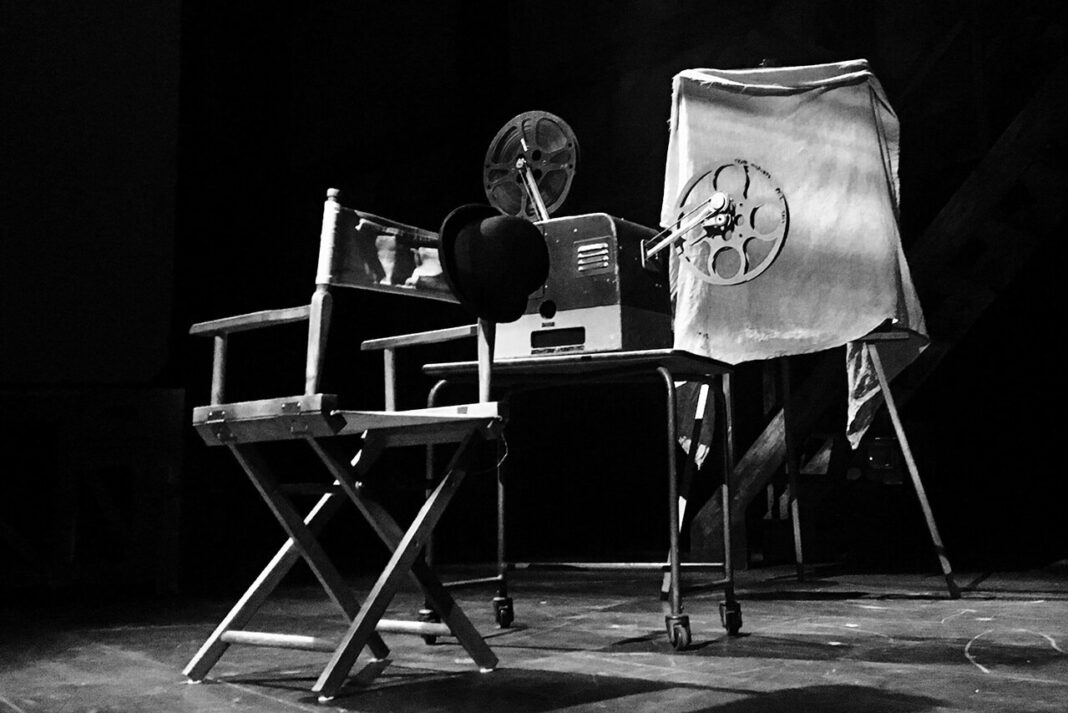

Although acting may seem like a glamorous world from the outside, for aspiring actors trying to step through its doors, it is a demanding journey. Behind the curtain lies a heavy burden that often goes unseen: psychological struggles in the acting industry. The emotional highs and lows felt deeply behind the camera or on stage—yet often hidden—require great psychological resilience and hold a significant place in the lives of those devoted to this profession.
Here Are the Most Common Psychological Challenges Faced by Aspiring and Professional Actors
The Need for Approval and Fear of Rejection in Acting Careers
Auditioning for acting roles is both a hopeful and exhausting process for aspiring actors. The constant need to be evaluated, liked, and chosen can negatively affect an individual’s self-perception. Acting is a profession where rejection is almost a given. Failing to land roles after auditions is a reality experienced repeatedly by many actors. These recurring rejections can damage self-esteem over time, triggering inner questioning like, “Am I not good enough?”
Identity Confusion in Method Acting and Role Immersion
Since acting involves stepping into different characters, the relationship one has with their own identity can become blurry over time. Aspiring actors may struggle to separate themselves from the roles they play. Especially during training, conflicting guidance from different acting techniques—such as “be yourself” vs. “become the character”—can leave actors feeling stuck and confused. While internalising a character’s emotions, the actor may push their own identity into the background. In long-term projects, actors may immerse so deeply in their roles that the boundary between real life and the character becomes unclear. This can complicate daily life and lead to serious psychological issues such as depression in actors.
Emotional Burden and Facing Personal Traumas Through Acting
Acting—especially when done with depth and authenticity—often means bringing a character’s pain, anger, and conflicts to life. To access these emotions, actors sometimes tap into their own personal experiences. Performing and emotionally embodying a character often requires surpassing personal emotional boundaries. These intense emotional loads can disrupt mental balance and lead to emotional burnout in actors. Without proper psychological support, this process can trigger unresolved traumas and emotional instability.
Performance Anxiety and Perfectionism in the Performing Arts
Every scene, every audition can feel like an exam. Every actor wants to give their best performance. Thoughts like “Am I good enough?” or “What if I freeze or forget my lines?” can cause intense anxiety before going on stage. This is especially common among actors with low self-confidence. Performance anxiety in actors can prevent them from feeling competent during performances and may even hinder their creativity. Additionally, perfectionist tendencies in creative careers can lead to persistent feelings of inadequacy and dissatisfaction.
Career Uncertainty and Fear for the Future in Acting
Acting rarely offers a stable income or a guaranteed career path, which leads to a constant state of uncertainty. Aspiring actors frequently face concerns about financial instability, unemployment, or doubts like “Is this career really for me?” This can lead to anxiety and depression among actors, especially younger individuals. The temporary nature of projects, income fluctuation, and uncertainty about the future add to the psychological pressure and can eventually cause burnout.
Family and Social Pressure on Actors
In some parts of society, pursuing art is still not seen as a “real profession.” Aspiring actors often hear questions or remarks like, “When will you get a real job?”, “Can you actually earn money from this?”, or “Why don’t you get a proper, stable job?” Such pressures strain the actor’s motivation and psychological resilience. As the desire to prove oneself increases, so does the disappointment when expectations go unmet.
Comparison and Competition in the Acting Industry
In the arts, the pressure to constantly be visible and stand out leads to inevitable comparisons among aspiring actors. Success stories in acting, landed roles, and “rising stars” shared on social media, television, or other platforms can trigger feelings of inadequacy in others. This can lead to emotions such as jealousy, fear of failure, and worthlessness.
So, How Can Aspiring Actors Cope With These Psychological Challenges?
-
Psychological support for actors: Therapists with experience in working with artists can offer personalised strategies for managing these challenges.
-
Solidarity with peers in the performing arts: Talking to other actors experiencing similar feelings can remind one that they are not alone.
-
Self-care for mental health in acting: Practices like meditation, exercise, and journaling play a crucial role in protecting mental well-being.
-
Professional acting coaching and mentorship: Receiving one-on-one support for managing the audition and performance process—both technically and emotionally—can lighten the load significantly.
In Conclusion: Mental Health Awareness in the Acting Profession
Acting is not only a matter of talent—it also requires strong psychological endurance. Beyond the role, behind the scenes, there is vulnerability—and if that vulnerability is unsupported, it may dim the actor’s true potential. Embodying a character is a process of transformation. One of the most vital steps in this transformation is for the actor to truly know themselves and embark on a deep inner journey. Self-awareness in actors doesn’t just enrich the actor on stage or on set; it also helps them become a more whole, grounded person in everyday life.