



In horror stories, monsters emerge at night.
But for Carl Gustav Jung, the real danger is not that the monster exists outside us—it is that we refuse to recognize it within.
Vampires, ghosts, and dark doubles recur in literature for this reason. Narratives such as Dracula and Dr. Jekyll and Mr. Hyde do not merely stage an external villain; they dramatize aspects of the self that consciousness resists confronting.
Jung’s concept of the shadow is not a random collection of repressed impulses. The shadow consists of psychologically organized material within the unconscious, often linked to emotionally charged complexes. As Jung emphasized, we all have complexes—this is an entirely ordinary fact of psychic life. The real question is what the individual—and the culture—does with them (Stein, 2010).
Why Does The Shadow Form?
According to Jung, in order to function socially, individuals develop a persona: a socially acceptable, adaptive, and often idealized mask. Yet as this mask strengthens, aspects of the self that do not fit it are pushed into the unconscious. The shadow emerges at precisely this point. As Jung wrote, the persona is “a mask of the collective psyche” rather than the true self (The Relations Between the Ego and the Unconscious).
Dr. Jekyll and Mr. Hyde powerfully symbolizes this psychological split. Jekyll represents the social ideal; Hyde embodies the disowned and autonomous shadow. From a Jungian perspective, the tragedy is not the existence of the shadow, but the illusion that it can be fully separated from consciousness. Repressed material does not disappear. It hardens. It becomes autonomous. It acts out (Thurmond, 2012).
How The Repressed Shadow Returns
Jung observed that the shadow frequently emerges through projection. We see in others what we cannot accept in ourselves. Traits we disown become external threats. Jung described this as “the transfer of negative qualities to the environment” (Stein, 2010).
In Dracula, the vampire’s movement from East to West functions as a cultural allegory of this process. Victorian consciousness, convinced of its rationality and moral superiority, is forced to confront the archaic and “primitive” elements it has disavowed. Jung’s famous statement applies here: “Until you make the unconscious conscious, it will direct your life and you will call it fate.” This dynamic operates not only in individuals, but in cultures as well (Vincent, 2010).
Why Is Confronting The Shadow So Difficult?
Jung described meeting the shadow as the individual’s “first and most difficult test.” This encounter destabilizes the moral narrative we tell ourselves about who we are. The phrase “I am not that kind of person” often signals that the shadow is approaching consciousness.
As Jung emphasized in Archetypes of the Collective Unconscious, this confrontation is not only psychological but ethical. It requires acknowledging that the darker impulses we condemn are also our own. The task is not merely insight—it is responsibility.
Not Eliminating The Shadow, But Integrating It
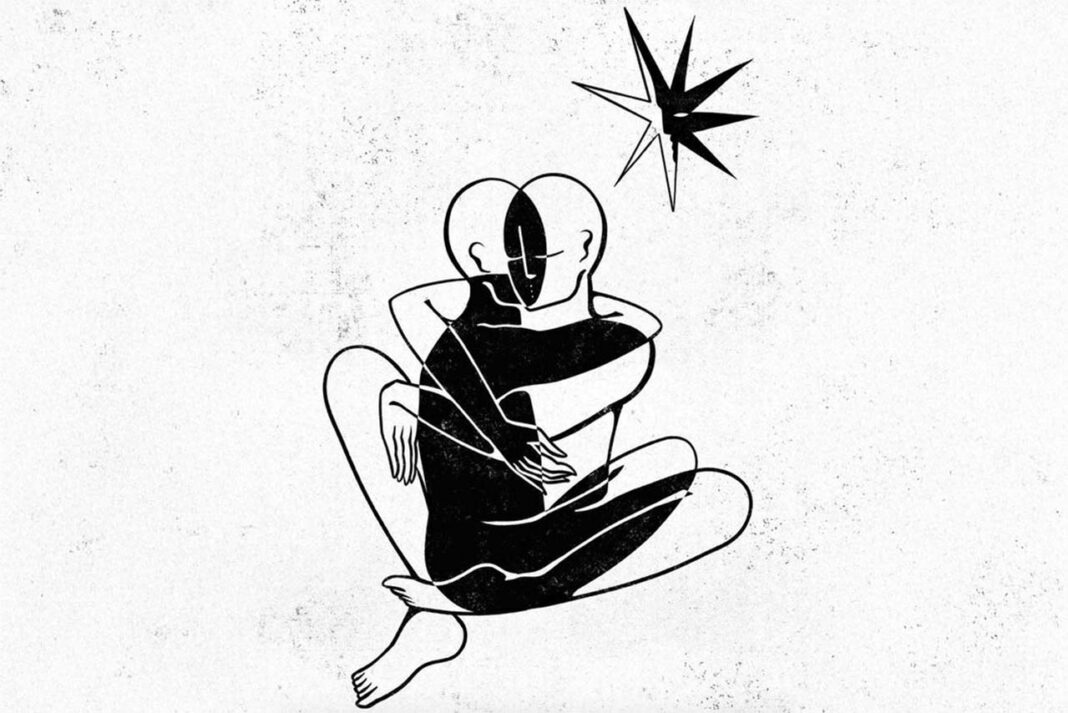
In Jungian psychology, the goal is not to destroy the shadow. That is neither possible nor desirable. The task is to develop a conscious relationship with it—to recognize it as part of the personality. This process lies at the heart of what Jung called individuation, the movement toward psychological wholeness.
Archetypal forces that remain unconscious exert influence like an “unknown power.” When brought into awareness, however, they become transformative (Archetypes of the Collective Unconscious). Unlike Jekyll, who attempts to eradicate Hyde, the individual who engages the shadow does not fragment but moves toward greater integration.
The Collective Shadow And The Monster Archetype
Jung stressed that the shadow is not only personal; it is collective. Societies, too, possess shadows. Scapegoating, enemy images, and claims of moral purity often reflect repressed collective complexes. Literary monsters endure not because they are fictional curiosities, but because they personify elements of the collective unconscious (Vincent, 2010).
The enduring power of the monster archetype lies in its symbolic function. It externalizes what cultures struggle to acknowledge internally. In this sense, horror narratives are not merely entertainment; they are symbolic encounters with the collective shadow.
Final Reflections
Jung’s concept of the shadow extends Freud’s theory of repression by emphasizing that unconscious contents are not passive residues but dynamically organized psychic structures. When excluded from consciousness, they manifest as recurring relational patterns, intense emotional reactions, and internal conflicts that feel disproportionate or inexplicable.
From a Jungian perspective, psychological work does not aim to eliminate these aspects of the self. Rather, it seeks to bring them into conscious relationship—allowing the individual to live with greater responsibility, flexibility, and coherence.
The shadow is not an enemy to be destroyed, but a reality to be integrated. According to Jung, we do not mature by denying our darkness. We mature by recognizing it and transforming our relationship to it.
Perhaps true adulthood is not about killing the monster within—but about ensuring it no longer silently governs our fate.
References
Stein, M. (2010). Jungian Psychoanalysis: Working in the Spirit of C.G. Jung. Open Court.
Thurmond, D. B. (2012). The Influence of Carl Jung’s Archetype of the Shadow on Early 20th Century Literature. Master of Liberal Studies Theses, 32. http://scholarship.rollins.edu/mls/32
Vincent, C. (2010). Dreaming of Dracula: A Jungian Analysis of Bram Stoker’s Novel. Master’s thesis, University at Albany, State University of New York.