



“Emotions that are not expressed do not disappear; they are buried and later emerge in different forms.” — Sigmund Freud
Suppressing Or Staying Strong?
For some people, staying strong means not crying, not getting angry, and not showing emotions. In reality, this is not true strength but a socially accepted disguise of emotional suppression.
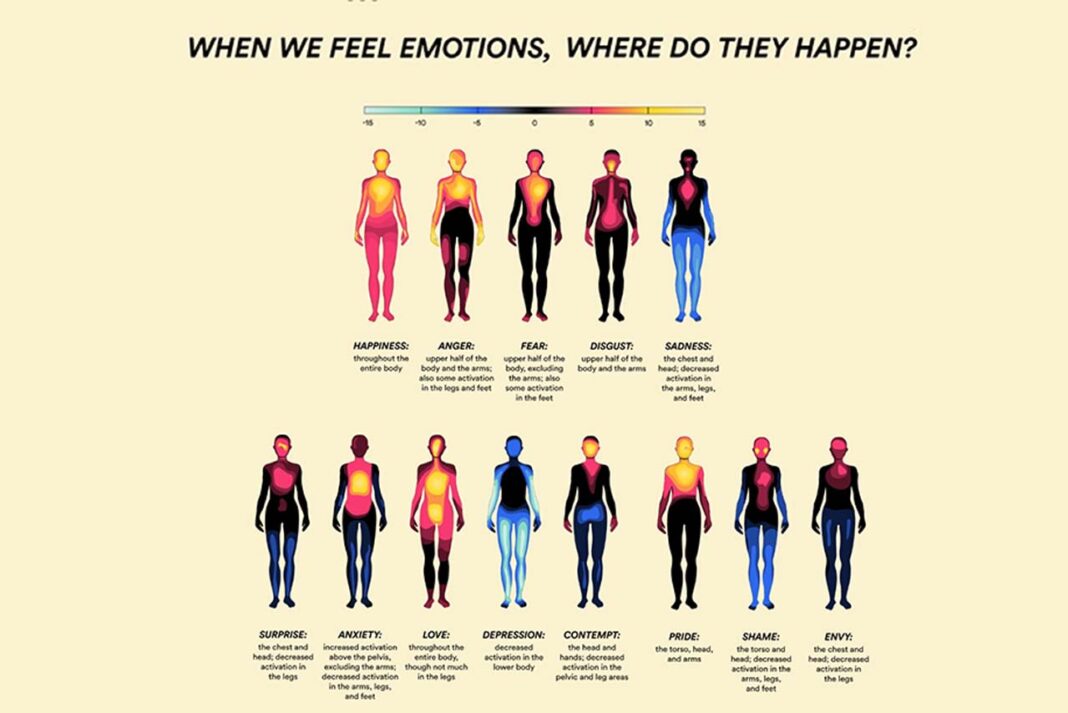
If you avoid expressing your feelings in the moment and believe you should not show them outwardly, and if you start noticing physical changes in your body, the silent alarms of your body may already have begun. Every suppressed emotion gradually accumulates and starts to echo within the body.
Emotional Suppression: An Invisible Survival Strategy
Many of us struggled to express our emotions even in childhood. Phrases such as “be quiet,” “don’t cry, it’s shameful,” “boys don’t cry,” or “don’t behave like that in public” shaped the way we learned to hide our feelings. As a result, emotional suppression has become very common.
Over time, especially when combined with traumatic experiences, suppressed emotions begin to send warning signals through the body. Stomach pain, headaches, fatigue, tremors, and numbness may appear. Even if doctors say there is nothing wrong, there may be a great deal happening internally.
The Language Of The Body: How Emotions Become Physical
Psychosomatic symptoms—physical reactions with psychological origins—are clear indicators of suppressed emotions. For instance, individuals who constantly internalize their experiences may later develop numbness in certain body areas. Those who carry their family’s emotional burdens may experience chronic back pain.
When emotions are not spoken, the body speaks through pain.
Sometimes words are difficult to release. They become a tight knot in the throat, causing pain until finally expressed. Yet that moment marks the first step toward inner freedom. Healing does not happen instantly; it begins with small, cautious steps taken toward safety.
Silent Traumas: Small Experiences With Deep Scars
Trauma does not always involve major disasters. Emotional neglect, constant criticism, feeling unseen or unheard, or exposure to bullying can also create lasting traumatic effects.
Over time, individuals may stop noticing what they feel and begin living only through their bodies. Instead of resolving pain, they normalize it. Avoidance becomes the easiest escape, while the body continues to signal distress.
Healing: Reconnecting With Emotions
The first step of healing is recognizing emotions and allowing them to exist. Feeling anger when angry, crying when sad, and not forcing yourself to stop are acts of courage. Emotions exist to be felt, not erased.
Therapy, writing, breathing exercises, mindfulness, and individual or group psychotherapy help individuals reconnect with themselves. At first, physical symptoms may intensify, but as healing progresses, these symptoms gradually decrease.
Conclusion: Listen To Your Body’s Whisper
Every suppressed emotion echoes within the body. Stomach pain may reflect anger, chest tightness may hold unspoken words, throat knots may represent unexpressed refusals, and numbness may signal anxiety.
Your body never deceives you; it simply speaks on your behalf.
Suppressing emotions is not strength — feeling them is courage.
And sometimes, the quietest path to healing begins by listening to your inner voice.