


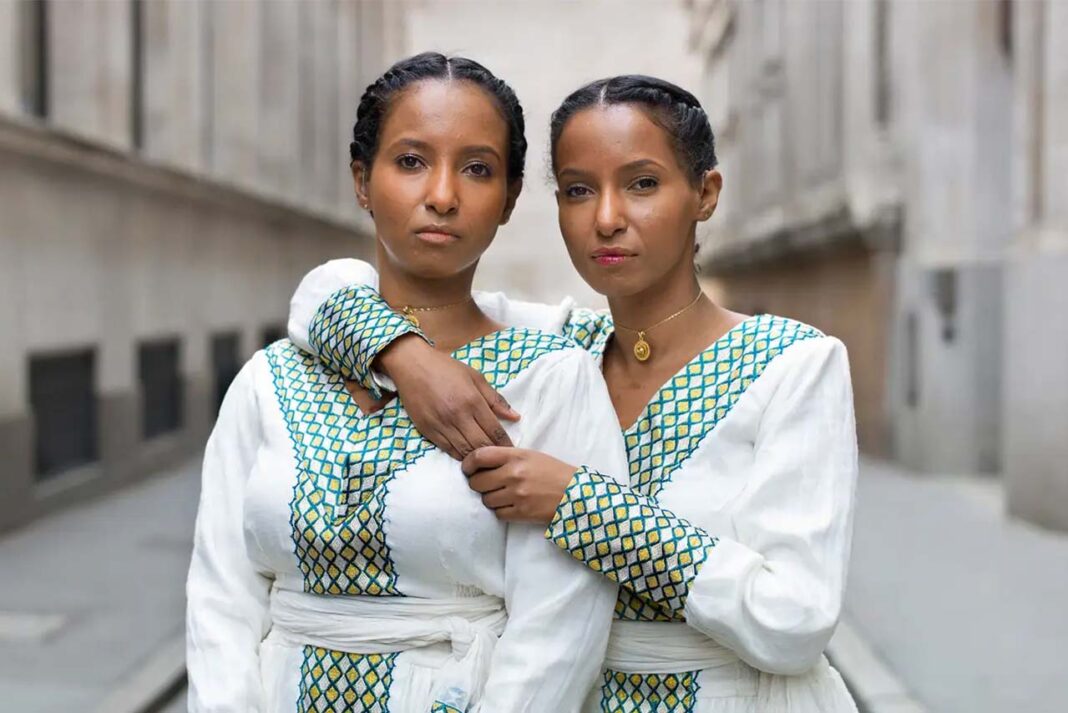

Dear readers of Times magazine, in this article we will examine the impact of genetics and environment on twin children. Let’s explore how different family environments affect child development. Pleasant reading.
Two children born on the same day, at the same time, with the same genetic heritage and starting life with the same biological foundations—that is, as twin siblings—are expected at first glance to lead similar lives. However, psychological science shows us that being born with the same genes does not mean living the same life. Observations conducted particularly on twin children clearly demonstrate how decisive the relationship between genetic predisposition and environmental conditions is.
It is frequently stated that some psychological disorders have a genetic basis. Genetic predisposition is mentioned for depression, anxiety disorders, attention problems, or certain personality traits. However, there is an important distinction here. Genetic predisposition is not a definitive outcome or an unchangeable fate. It primarily signifies a possibility, a tendency. Whether this tendency develops into a mental health issue largely depends on the environment in which the individual grows up.
For this reason, twin studies hold a special place in psychology. In particular, identical twins are almost genetically identical. The fact that these twins grow up under different life conditions allows us to more clearly see the impact of environmental factors on psychological development. For scientists, the fundamental question is this: If genes are fixed, what creates differentiation? The answer to this question inevitably leads us to the concept of the environment.
The environment is not merely about physical conditions. How the child is raised and by whom; whether their emotions are seen; whether they receive support when needed; and whether they feel safe are fundamental components of the environment. While even siblings growing up in the same household can be exposed to different emotional climates, it becomes clearer how greatly the experiences of twins raised in different families can diverge.
To illustrate this situation, let’s consider a case study. Two children who are identical twins were adopted into different families at an early age. Both children are genetically predisposed to anxiety. The first child grows up in an emotionally supportive family environment with clear boundaries, warmth, and compassion. They are raised in a home where their feelings can be expressed and making mistakes is tolerated. They are able to find a trusted adult to lean on when faced with difficulties.
The second child, on the other hand, grows up in a more critical family environment. They are raised in an environment where emotions are viewed as weakness, expectations are high, and mistakes are frequently highlighted. Instead of expressing their own needs, they are expected to adapt. Although both children carry the same genetic predisposition, the environmental experiences they encounter shape them in different ways.
As the years pass and these children grow into adulthood, the differences begin to become apparent. The first child becomes an individual who can recognize their own anxiety, is not afraid to ask for support, and is more resilient in coping with stress. The second child, on the other hand, may become an adult who has learned to suppress their emotions, is intensely afraid of making mistakes, and experiences high levels of internal tension. Both children have a genetic predisposition; however, for one, this predisposition is manageable, while for the other, it has become a problem that significantly affects their quality of life.
This example clearly demonstrates the regulatory role of the environment on genetic predisposition. The relationships established in childhood directly affect an individual’s self-perception, stress coping skills, and relationships. Children who have experienced secure attachment are better able to cope with challenging emotions, while psychological vulnerability becomes more pronounced in children who have been neglected or constantly criticized.
Many psychological difficulties encountered in adulthood carry traces of these early experiences in childhood. While two individuals with the same genetic background may be more balanced and resilient in relationships, the other may struggle with anxiety, burnout, or feelings of worthlessness. This difference is not a result of differences in genes; it is a result of the conditions under which the genes are expressed.
The key point here is this: Genetic explanations offer a valuable framework for understanding an individual’s psychological difficulties; however, they are not sufficient on their own. When environmental factors are ignored, the problems experienced by both children and adults are misunderstood. This, in turn, may result in missed opportunities for early support and preventive intervention.
As a result, children born with the same genes do not have to live the same life. Sometimes, what determines an individual’s life path is not so much the genes they carry, but the conditions under which those genes flourish. When the environment changes, the story changes too. Therefore, supporting children’s psychological development is an investment that shapes not only their present but also their adult years. All parents must be attentive and careful when raising their children.