


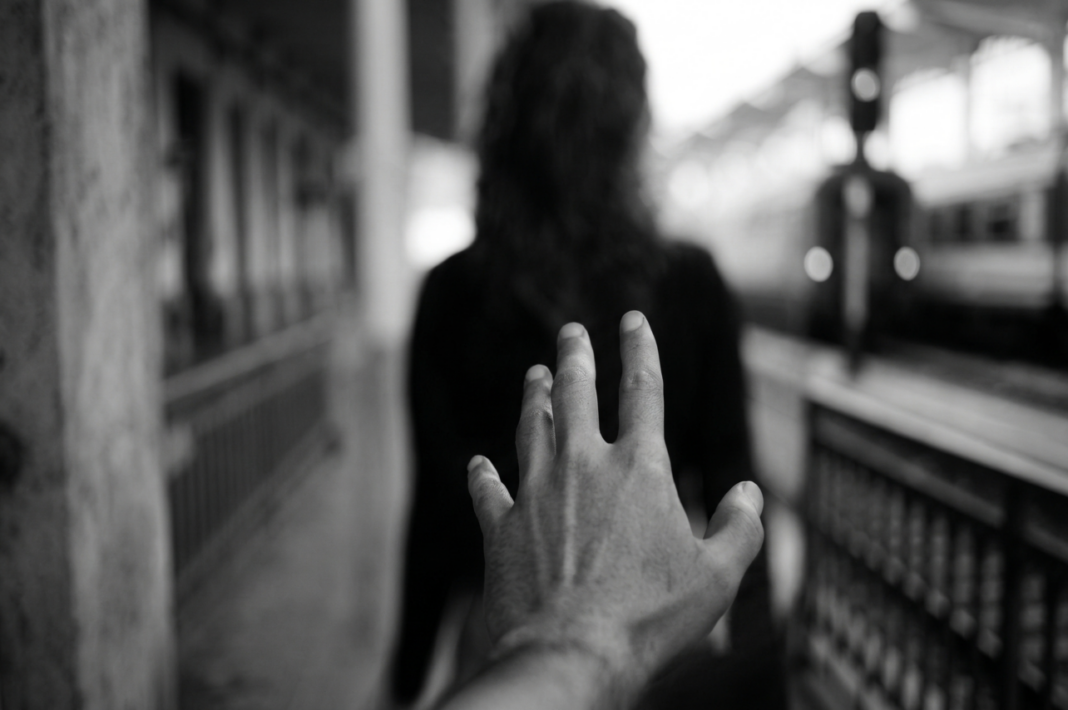

According to Gallup’s Global Safety Report, women in many countries worldwide report feeling less safe when walking alone at night. While approximately 67% of women globally state they feel safe walking alone at night, this rate is measured at 78% for men. This discrepancy, revealed in a survey conducted across 144 countries, shows that women feel more insecure in 104 of those nations.
Holding keys firmly in hand while returning home at night, checking behind one’s shoulder while walking, sending a taxi’s license plate to a friend, or texting “I’m home” upon arrival… For women, these are mundane parts of the ordinary flow of daily life. These behaviors, performed almost unconsciously, are indicators of the insecurity women feel in their everyday lives. Women constantly attempt to anticipate potential dangers in their environment; this condition generates chronic anxiety and stress. The tension in their shoulders and the continuous calculations in their minds follow them throughout the day. This is not merely a physical security issue but a psychological process that shapes women’s perception of safety.
These developed behaviors constitute a form of risk assessment. Monitoring the environment, preferring safer routes, and trying not to be alone on chosen paths can become habitual over time. Social incidents and shared experiences further trigger the continuity of these behaviors. This causes women to feel unsafe even in public spaces while simultaneously restricting their freedom.
Social Constraints: Drawn Boundaries
In the present day, rather than making streets safer, there is a prevailing notion that it is “more appropriate” for women to be in specific places, at certain times, and in particular attire. Moving outside these patterns is directly coded as a ‘risk.’ However, regardless of location, time, or clothing, it is a fundamental right for every woman to live feeling safe. Social pressures created by questions such as “What were you doing there at that hour?” or “Why didn’t you wear a longer skirt?” force women to develop a constant defense mechanism in their living spaces and social lives. For example, a woman forced to walk through a park late at night is affected not only by physical threats but also by the gazes and judgments of others. Consequently, women must restrict not only their own safety but also their right to exist in social spheres. Thus, every step transforms from an act of freedom into a calculated move.
The Erosion Of The Perception Of Freedom
These constraints and judgments imposed on women by society create a permanent state of “alertness” in their psychological world; in psychology, this is termed “hypervigilance.” Hypervigilance is a state where an individual develops extreme alertness toward environmental threats and remains mentally on guard at all times. In this state, as the mind attempts to detect potential danger in advance, rest and relaxation processes are disrupted. Constantly performing risk calculations can create a state of chronic anxiety and makes the experience of public space psychologically more exhausting. This state of being constantly on alert tires not only the mind but also the body; symptoms such as sleep disorders, chronic fatigue, and muscle tension emerge.
In this process, social pressure is so deeply internalized that self-blame arises. “If something happens to me, it will be my fault,” because that is the direction of societal perception. Thoughts like “I shouldn’t have been there at that hour” or “I should have worn something less conspicuous” become a woman’s own internal voice. Ultimately, psychological damage occurs and the perception of freedom is eroded. This perception restricts women’s participation in social life, limits the use of public spaces, and affects the safety experience of all members of society. Consequently, as social norms and codes limit women’s freedom, society itself moves away from being a truly safe environment.
Safety Is Social, Not Individual
Security issues are often treated as situations that can be resolved through individual precautions. However, safety is not a condition that can be ensured solely by measures an individual takes. Individual precautions provide temporary security. Real safety is possible only when public space becomes equal and safe for everyone. Therefore, the measures to be taken are related not only to physical precautions but also to social awareness, education, cultural transformation, and the development of empathy. When an environment is created where women feel safe regardless of the time, location, or how they look, social transformation will become visible.
Social Causes and Consequences
Internalized cultural judgments, incidents of violence and harassment in the media, and stories passed down through friend circles are among the most influential factors in shaping women’s perceptions of safety. Society constantly codes women’s behaviors and expects them to act accordingly, often ignoring that women possess free and equal rights. For those who step outside these codes, negative occurrences are often met with the false perception that it was “deserved.” Yet, women have the right to live in a free and safe environment, and this right will be established not just through individual measures but through social awareness and equality. When equality and safety are ensured, women can take more active roles in professional and social life, social participation increases, and social solidarity strengthens. A society where women can live without being on alert, without feeling fear, and without calculating risks is a truly safe and equal society.
Social Transformation and Equality
When society accepts women as individuals with equal rights, behavioral patterns are reshaped. This transformation not only ensures the liberation of women but also enables all individuals in society to lead healthier and safer lives. This change occurs through education, awareness, and cultural transformation. When equality replaces fear and trust replaces constant alertness, a more peaceful and livable environment is formed. Safety must be an accessible right for everyone. Because the real issue is not that women need to be “more careful,” but the existence of a system that forces them to be constantly careful. Real safety is possible with an equal and secure society where women do not have to hold their keys like a weapon while walking at night. One day, a world where all women have equal rights and can live in safe environments without fear must be possible.
Reference
Source: Gallup Global Safety Report 2025