


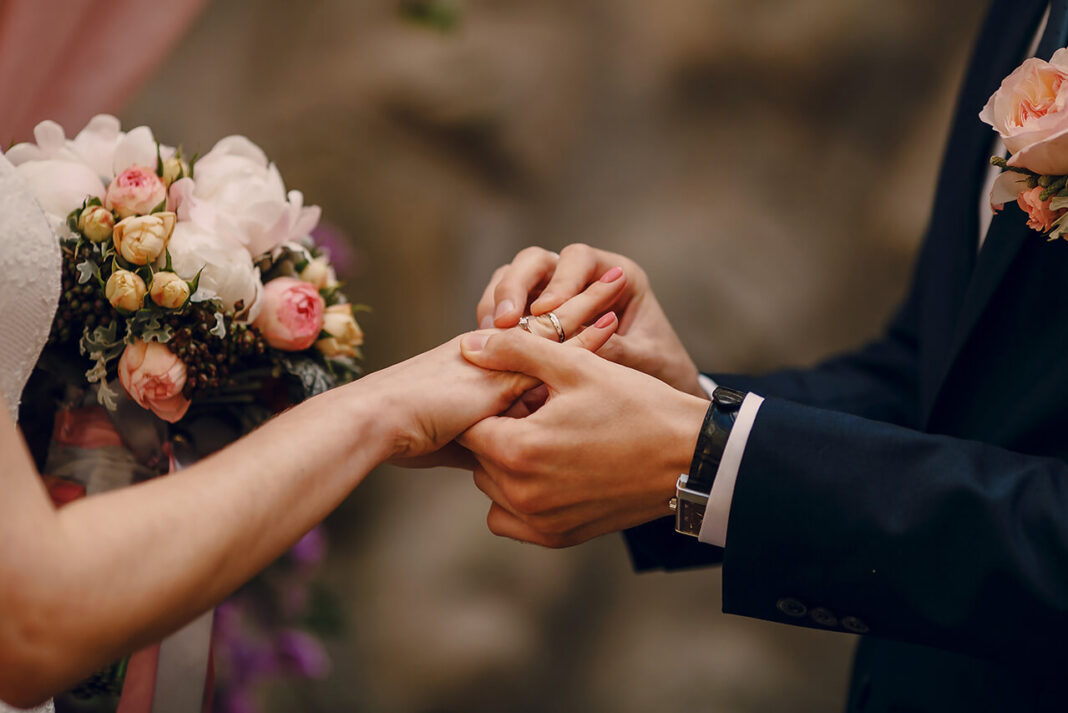

Marriage is one of the most profound and complex forms of human relationships. But is a genuinely happy marriage possible, or is it just an illusion created by romantic movies and fairy tales?
What Is a Happy Marriage?
First, it is important to clarify what we mean by a “happy marriage.” If we define it as a flawless union without any conflicts, such a marriage likely does not exist. However, a supportive and fulfilling relationship, where partners grow together despite challenges, is certainly possible.
A happy marriage is not about partners making each other perfect; it is about understanding each other’s imperfections and choosing to move forward together. Harmony and solidarity matter more than perfection.
The Key Elements of a Happy Marriage
-
Communication
- The ability to openly share thoughts and emotions and resolve conflicts in a healthy way is crucial.
- Active listening and empathy build trust in the relationship.
- Communication should not only focus on problems but also on sharing joyful moments.
-
Realistic Expectations
- Movies and TV shows often create the illusion that romance is always at its peak. However, happy marriages are sustained by couples who accept monotony and challenges.
- The belief that one partner should fulfill all the other’s happiness can lead to disappointment.
- Instead of unrealistic expectations, cultivating a sustainable and realistic understanding of love is essential.
-
Balance Between Independence and Togetherness
- Each individual should have personal interests and a social life. Allowing space for individuality can make the relationship healthier.
- At the same time, engaging in enjoyable activities together strengthens the bond.
- Personal growth contributes to a healthier relationship—individuals who find happiness within themselves tend to create happier marriages.
-
Respect and Appreciation
- Mutual respect is one of the most fundamental aspects of a strong relationship.
- Small gestures, expressing gratitude, and acknowledging a partner’s efforts help maintain a healthy relationship in the long run.
- Lasting happiness is not built on grand moments but on small acts of kindness in everyday life.
-
The Ability to Manage Crises
- Every marriage faces difficulties at times. However, if partners see each other as teammates rather than opponents during crises, the relationship can emerge stronger.
- Avoiding problems rather than facing them together can prevent long-term happiness.
- Difficult times test a couple’s commitment and unity. Those who manage crises well tend to build stronger relationships.
What Do Truly Happy Couples Do Differently?
Research shows that couples who remain happy for many years share some common traits:
- They do not compare their relationship to others.
- They focus on solving problems rather than magnifying them.
- They appreciate each other’s positive qualities.
- They are capable of finding happiness as individuals.
- They do not limit romance to special occasions but cherish small moments together.
- They support each other and celebrate each other’s successes.
Happy couples frequently ask themselves, “How can we improve our relationship?” Being open to continuous growth is the key to long-term happiness.
Questions to Reflect on for a Happy Marriage
- What are we doing to build a strong foundation for our marriage?
- Do we truly trust each other? If trust has been broken, how can we rebuild it?
- What are our relationship’s strengths? How can we strengthen them further?
- Do we genuinely enjoy being together?
- Can I express myself openly when communicating with my partner?
- Do I value my partner’s emotions and thoughts enough?
- Can I clearly express when something upsets or bothers me?
- Do I feel truly committed to our marriage?
- Can we support each other in difficult times?
- How can we keep romance alive in our daily lives?
- When spending time with my partner, am I fully present, or is my mind elsewhere?
- Do I feel loved and appreciated by my partner?
- How do I express my love? How does my partner prefer to feel loved?
- Do I have a life of my own, or am I entirely focused on the relationship?
- Do we have shared activities that we both enjoy?
- Are our disagreements constructive or destructive?
- Do we tend to suppress issues rather than discussing them?
- Am I able to forgive my partner’s mistakes?
- Are our expectations for the future aligned?
- What can we do to make our marriage happier and more fulfilling?
- Do we share common dreams and goals, or are we moving in different directions?
- Does the idea of growing old together make me happy?
These questions can help identify the strengths of your marriage and the areas that need improvement. The key is to use them not as a means of judgment or criticism but as a guide to enhancing your relationship and deepening your connection.
Conclusion: Is a Happy Marriage a Choice?
A happy marriage does not happen effortlessly—it requires effort, patience, and conscious commitment. It can be challenging at times, but if both partners genuinely want it and put in the necessary care, a healthy and fulfilling marriage is possible.
While a perfect marriage may not exist, a realistic and sustainable happiness is achievable. A happy marriage is not about finding the perfect person—it is about building the right relationship.