


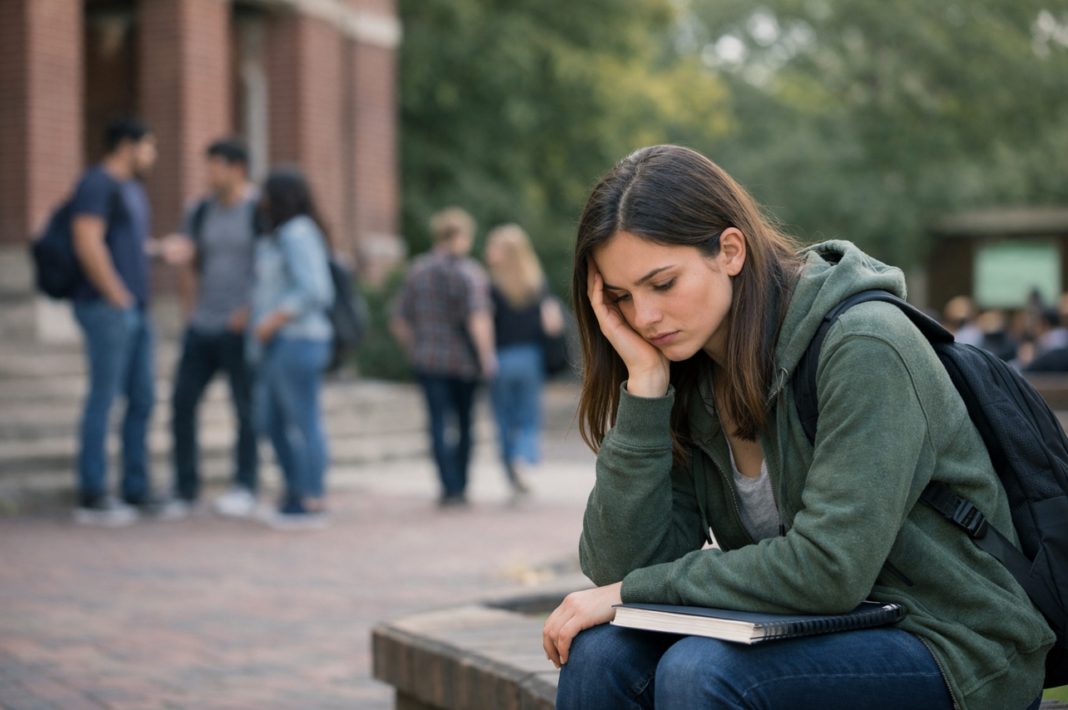

College can be one of the most exciting periods of a young person’s life, a chance to explore new ideas, meet new people, and grow personally and academically. But for many students, this time also comes with challenges that aren’t always talked about openly, especially social anxiety. While it’s normal to feel nervous about presentations or meeting new people, social anxiety goes beyond everyday nerves. It can make everyday social situations feel overwhelming and interfere with a student’s ability to study, connect, and thrive at university.
What Is Social Anxiety?
Social anxiety is amental health condition characterized by an intense fear of being judged, embarrassed, or negatively evaluated in social situations. It’s more than just shyness; it involves patterns of thought and behavior that can feel very hard to manage. For example, students with social anxiety may spend a lot of time worrying about saying the wrong thing, how they appear to others, or how others might evaluate them. Avoiding social situations becomes a way to cope, even though the avoidance itself can make anxiety worse over time.
Why College Can Be Particularly Stressful
The typical college experience involves many social demands that can trigger anxiety, such as introducing yourself to new classmates, participating in class discussions or presentations, working in study groups or team projects, navigating social events and campus life, and making connections with professors or advisors. These situations require students to interact with others in meaningful ways, and these interactions can feel much scarier for someone with social anxiety.
Furthermore, social anxiety doesn’t just affect how students feel socially; it can also have realacademic consequences. Moreover, excessive anxiety can: make it harder to focus on learning material, lead students to avoid asking for help from tutors or professors, reduce contributions to class discussions (which can affect participation grades), cause students to skip classes entirely to avoid discomfort, and lead students to decline group work or presentations they otherwise would enjoy. Academic engagement often depends on students feeling comfortable enough to connect with others. But when social anxiety drives avoidance, students may miss opportunities to learn, practice skills, and build relationships that support their success.
The Broader Impact On Well-Being
The effects of social anxiety go beyond grades. Feeling constantly worried about social interactions can lead to isolation and loneliness, as students may avoid forming friendships, lower life satisfaction, due to daily stress and missed experiences, poorer mental health, including increased worry or depressive symptoms, and difficulty in future career situations, such as networking or job interviews, where social skills are important. Socially anxious students may rely onavoidance behaviors that temporarily reduce stress, like avoiding eye contact, staying quiet in groups, or even using alcohol to calm nerves, but these behaviors often reinforce anxiety in the long run.
What Research Shows About Social Anxiety In College Students
The academic study by Ali and Joordens found that social anxiety among university students significantly increased during the COVID-19 pandemic and remained elevated afterward. This likely reflects the prolonged period of social isolation experienced during lockdowns, which disrupted students’ social skills practice and made reintegration into everyday interactions more stressful.
The study involved 301 undergraduate students and used both quantitative measures (like anxiety questionnaires) and open-ended questions to understand students’ experiences. The results showed that social anxiety was strongly linked to fear of negative evaluation, meaning students worry a lot about how others perceive them. The research also identified several barriers that make it harder for students to seek help, including fear of parents knowing they are in therapy, the cost of mental health services, and the language or cultural barriers, as well as concerns that therapists might lack cultural sensitivity. These barriers can prevent students from accessing support, even when they want help.
A Life-Skills Approach To Preventing Social Anxiety
One of the key contributions of the academic study is its proposal of a “life-skills training” model as a preventative approach. Instead of waiting until students struggle severely with social anxiety, the authors suggest that colleges could offer training early in students’ academic journeys to help them develop confidence in social interactions, skills for presenting and communicating, strategies for networking, and professional comfort with both online and in-person interactions. This approach frames social skills not as therapy for a problem, but as essential life skills that everyone needs. By building these skills early, students may feel less anxious and more equipped to handle social situations throughout their lives, both in and out of college.
Effective Strategies For Managing Social Anxiety In College
Students can take several practical steps to manage social anxiety during college. First, it is important to challenge avoidance. Doing the opposite of avoidance, such as attending a study group or simply saying hello to a classmate, can help students realize that the negative outcomes they fear often do not actually happen. Second, regular practice makes a difference. Like any other skill, social interaction becomes easier and more natural the more it is practiced over time. Third, seeking support can be very helpful. Therapy approaches such as cognitive behavioral therapy (CBT) have been shown to reduce social anxiety, and campus mental health services can provide guidance and structured support. In addition, setting small and realistic goals can build confidence gradually. For example, speaking once in class or introducing yourself to one new person can be a meaningful first step. Finally, students should remember that they are not alone. Many college students struggle with social anxiety, and recognizing this can reduce feelings of shame and isolation while encouraging connection and growth.
Conclusion
College is a time of growth and opportunity, but it can also be a time of anxiety and fear, especially for students with social anxiety. Social anxiety can affect academic engagement, personal well-being, and future career preparedness. However, with supportive strategies, life-skills training, and intentional practice, students can build confidence, overcome fear, and make the most of their college experience.