


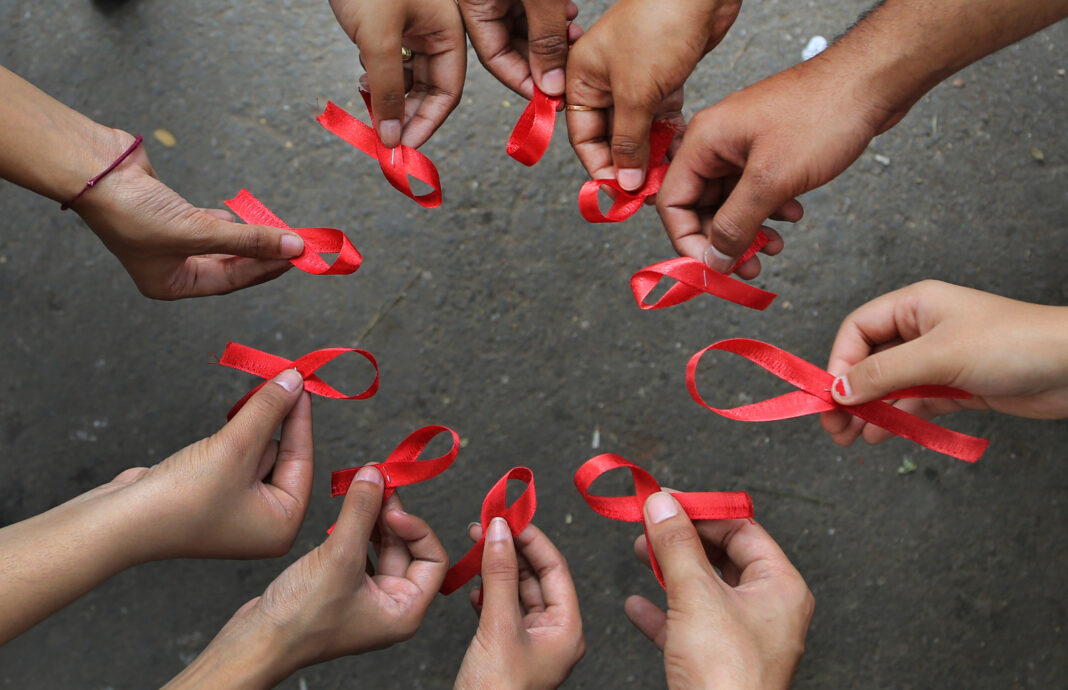

Despite major medical advances, HIV remains one of the most stigmatized health conditions worldwide. While antiretroviral therapy has transformed HIV into a manageable chronic illness, stigma continues to shape how individuals are treated and how they experience their diagnosis (WHO, 2021). HIV-related stigma affects mental health, social relationships, and access to care, often discouraging testing, disclosure, and treatment adherence (Earnshaw & Chaudoir, 2009). Importantly, stigma does not operate in the same way across cultures. In some societies it is expressed through moral judgment, while in others it is reinforced by silence, shame, or family expectations. Understanding these cultural differences highlights that stigma is socially constructed rather than inherent to the illness itself (Parker & Aggleton, 2003).
Main Discussion
In Western countries such as the United States, Canada, and much of Western Europe, HIV-related stigma has historically been associated with homosexuality, drug use, and perceived moral failure (Herek, 2009). Although public awareness campaigns have reduced overt discrimination, many people living with HIV still report internalized stigma and subtle bias in healthcare and social settings (Mahajan et al., 2008). Fear of rejection continues to influence disclosure decisions, particularly in conservative or rural communities (Turan et al., 2017).
In Sub-Saharan Africa, including countries such as South Africa and Kenya, stigma is closely linked to structural inequalities, gender norms, and limited access to healthcare (Nyblade et al., 2009). Fear of being blamed or socially excluded discourages individuals from testing and treatment, contributing to poorer health outcomes (UNAIDS, 2022). Women are especially vulnerable, as HIV diagnosis may be associated with accusations of infidelity or moral wrongdoing (Duffy, 2005).
In East Asian contexts, including China and Japan, HIV-related stigma is shaped by cultural norms emphasizing social harmony, shame, and family reputation. Research from China shows that many individuals conceal their diagnosis to avoid bringing dishonor to their family, leading to isolation and psychological distress (Li et al., 2013; Yang et al., 2007). In Japan, stigma is often reinforced through avoidance and limited public discussion of sexuality and HIV, rather than open discrimination (Takano & Kamei, 2019).
Turkey represents a culturally complex case where HIV stigma is influenced by religious values, taboos around sexuality, and limited public education. Studies indicate that people living with HIV in Turkey frequently experience discrimination in healthcare and employment, alongside high levels of cultural stigma and internalized stigma (Şimşek et al., 2020). Fear of disclosure often leads to delayed care and increased anxiety.
In India, stigma is strongly connected to norms surrounding sexual morality, marriage, and family honor. Diagnosis may affect not only the individual but also their family’s social standing, particularly for women (Bharat et al., 2014). Although national awareness efforts have improved general knowledge, stigma remains prevalent, especially in rural areas (Sood et al., 2016).
Conclusion And Implications
Across cultures, HIV-related stigma produces similar psychological consequences, including depression, anxiety, and social withdrawal, but it is expressed in culturally distinct ways. In individualistic societies, stigma is often internalized at the personal level, whereas in collectivist cultures it may extend to family and community networks (Earnshaw et al., 2013). Reducing HIV stigma requires culturally sensitive strategies rather than universal solutions. Public education should directly challenge moral judgments and misinformation. Healthcare professionals should receive stigma-awareness training to ensure confidentiality and respectful communication.
Community-based interventions that involve families, religious leaders, and local organizations can help normalize open discussion and reduce fear. Ultimately, addressing HIV-related stigma is both a public health priority and a psychological responsibility.