


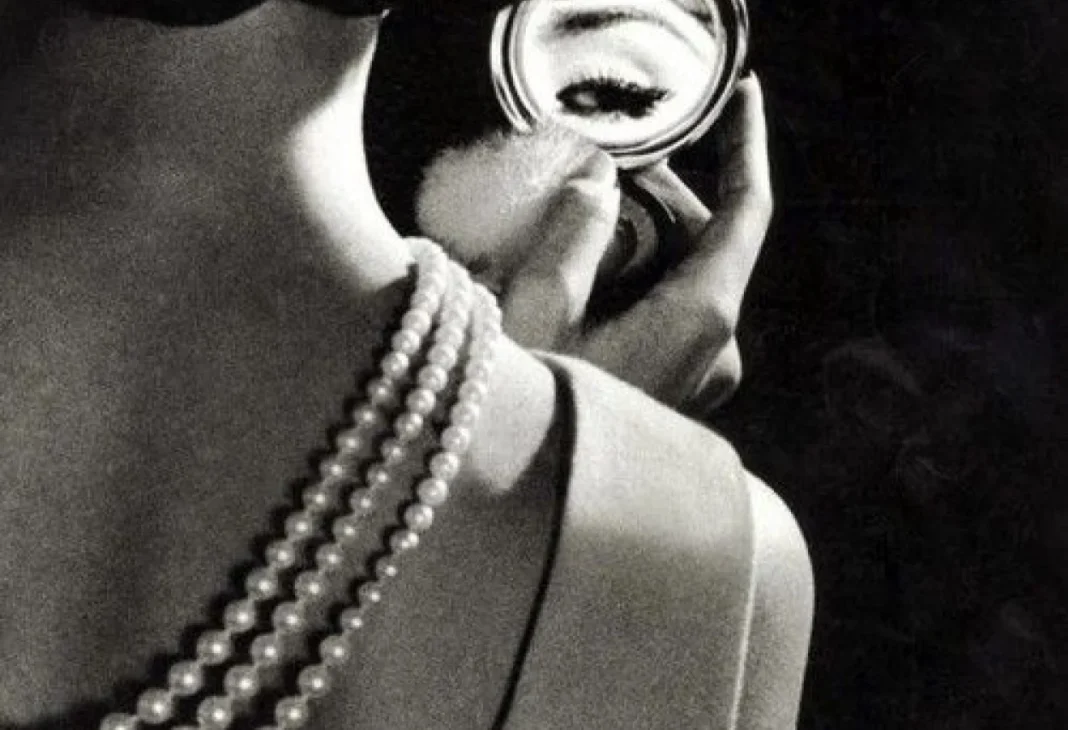

In the loud, consumption-driven world of modern society, built on a system of constant display, the human mind has developed a radical defense mechanism. The replacement of flashy logos and exaggerated symbols of wealth with tranquility, privacy, and timeless elegance is not merely an aesthetic preference. Quiet luxury is a mental architecture directly linked to an individual’s identity formation, ways of establishing belonging, and search for inner freedom.
The End of the Signifier and the Silence of the Self
From a psychoanalytic perspective, consumption and clothing serve as a means for individuals to express their inner world. Products and brands function as communication tools that people use to express themselves and gain social acceptance. Traditional conspicuous consumption, as theorized by Thorstein Veblen, relies on an individual’s attempt to signal power and superiority to the outside world through prominent logos.
The philosophy of quiet luxury, however, is shaped by an opposing psychological dynamic. In this mindset, the primary motivation is not seeking approval, but exercising the absolute control that comes with the luxury of remaining unseen. Indeed, true wealth whispers; loud wealth screams. Elements of high value do not need to make noise to prove themselves. Precisely for this reason, quiet luxury offers a level of quality that does not feel compelled to showcase its price tag; its objective is not to elicit admiration, but to cultivate authentic and sustainable value.
New Codes of Belonging and the Circle of “Those Who Know”
In social psychology, “in-group” dynamics define the cultural and class boundaries within which an individual feels secure. Minimalist consumers turn toward logo-free, understated versions of luxury brands to connect with others who share similar cultural capital. Consequently, while quiet luxury appears quite ordinary to outsiders, it creates a clear and secure space of belonging for “those in the know” who can read these subtle codes.
This dynamic provides the individual with two fundamental psychological comforts:
Being part of a small group that shares the same aesthetic language and mental wavelength—far from the noise of the crowd—serves as a powerful shield against modern urban loneliness.
While the constant mandate to be visible stretches psychological boundaries, the tranquility offered by quiet luxury builds a safe domain of privacy against the external world.
Consumer Psychology as a Mental Transformation
This shift in consumer behavior essentially symbolizes a profound transformation in how individuals seek belonging. Where individuals previously hid behind brand names, today they choose to shed the need to prove their existence through external symbols. The perpetual display of status can function psychologically as compensation for an internal deficiency or a desire for validation. Conversely, a mind that embraces quiet luxury does not require external approval; instead, it establishes its own standards, drawing power not from noise, but from stillness.
The Ultimate Luxury: Feeling No Need to Impress Anyone
Ultimately, quiet luxury is not just a style of dress, but a deep-seated life philosophy. As people place others’ approval at the center of their lives, they become dependent on external expectations. An individual who focuses on their own values makes clearer decisions, consumes less, and genuinely experiences what they own.
Real wealth begins in the mind long before it reaches a bank account. Quiet luxury starts the moment one relinquishes the need to impress others, the rush to endlessly acquire more, and the habit of defining oneself through material possessions. Indeed, the greatest luxury is feeling no obligation to impress anyone; the most valuable wealth lies not in what one owns, but in what one does not need.
Kaynakça
- Azizağaoğlu, A. (2026). Quiet luxury consumption: An investigation on ready-to-wear brands [Sessiz lüks tüketim: Hazır giyim markaları üzerine bir inceleme]. Social Sciences Texts, 2026(1), 74–86. https://doi.org/10.56337/sbm.1896148 Maxey, G. (n.d.). Fashion psychology: The relationship between clothing and self. Counseling and Family Therapy Scholarship Review. https://doi.org/10.53309/2576-926X.1041
- Rashid, I. (2020). Psychological aspects of fashion’s influence on lifestyle formation. Revista Conrado, 16(77), 42–49.
- Türkkuşu, H. (2025). The new way of understated elegance: Quiet luxury! [Gösterişsiz zarafetin yeni yolu: Sessiz lüks!]. E-Motivasyon. https://e-motivasyon.net/sessiz-luks-gercek-zenginler-neden-gosteris-yapmaz.html Who What Wear. (n.d.). Quiet luxury staples. Retrieved September 17, 2026, from https://www.whowhatwear.com/quiet-luxury-staples