


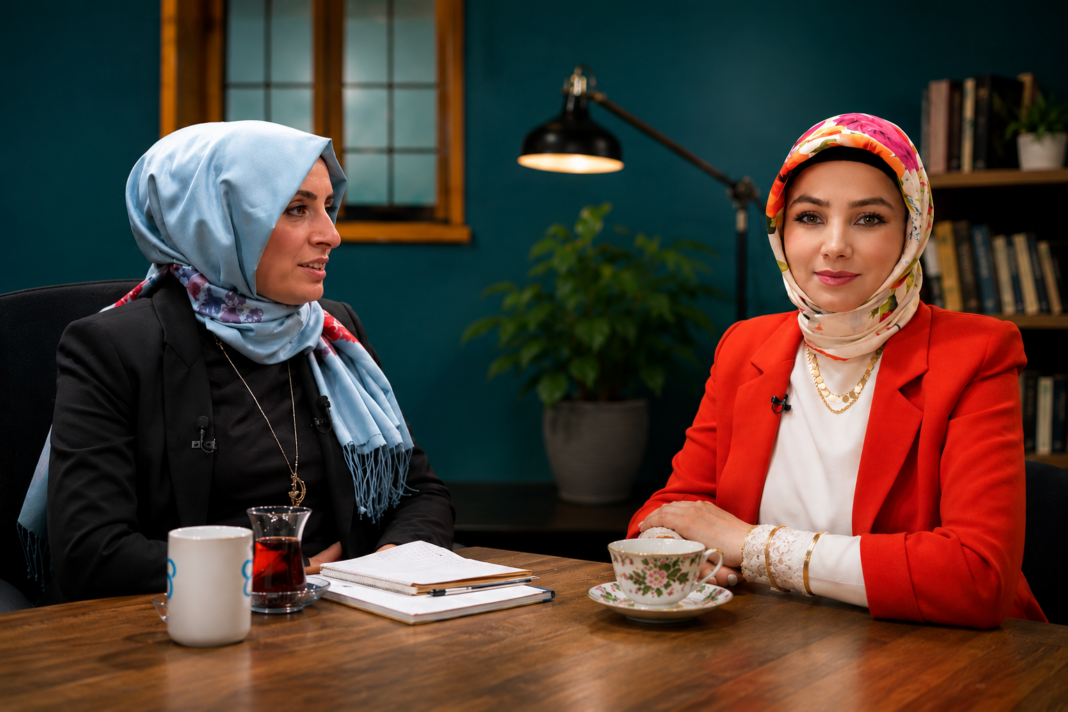

Guest: Assoc. Prof. Dr. Fatma Baynal
Interviewer: Meryem Avcı, Specialist in the Psychology of Religion
Divorce is one of the most challenging life experiences, affecting not only an individual’s family life but also their psychological well-being, spiritual balance, and sense of meaning. For this reason, psychological and spiritual support plays a vital role in the post-divorce adjustment process.
In this special interview, we speak with Assoc. Prof. Dr. Fatma Baynal, a faculty member in the Department of Psychology of Religion at the Faculty of Islamic Sciences, Yalova University. Her academic work focuses on psychological and spiritual coping after divorce, and she shares valuable insights from her research on resilience, spirituality, and meaning-making during one of life’s most difficult transitions.
We invite you to join our conversation.
1. First of all, could you please introduce yourself to our readers?
Hello, I am Assoc. Prof. Dr. Fatma Baynal. I serve as a faculty member in the Department of Psychology of Religion at Yalova University, Faculty of Islamic Sciences.
My academic research focuses on the psychology of religion, spirituality, and positive psychology. I investigate the psychological effects of religious orders and communities, religious and spiritual coping during the post-divorce process, spiritual counselling, and spiritual parenting.
In addition, my book Atheism and the Meaning of Life and my studies on faith transitions, such as From Atheism to Theism, explore individuals’ existential search for meaning. I have also conducted research on justice in marital relationships and fear and anxiety during pre-adolescence.
Overall, my primary aim is to examine the healing and meaning-making potential of religion, spirituality, and moral values in coping with difficult life experiences through both scientific and qualitative research methods.
2. In your studies on divorce and religion/spirituality, which areas emerged as the most challenging for individuals?
Following divorce, individuals encounter numerous psychological and social difficulties. However, our findings indicate that the most significant challenges are economic hardship, assuming sole responsibility for childcare, and coping with profound loneliness.
3. What were the most common coping mechanisms employed by your participants?
Our findings show that support from family and friends is the primary coping resource during this traumatic period. Alongside family support, peer support plays a fundamental role in psychological recovery and in reducing feelings of loneliness.
These findings reinforce the importance of viewing human beings as bio-psycho-social individuals whose well-being depends greatly on meaningful social connections.
Participants also reported benefiting from active coping strategies, including working, caring for their children, reading, and listening to music. For some individuals, professional support from psychologists or psychiatrists proved particularly valuable.
In addition, many participants relied on religious coping strategies, including prayer, spirituality, and trust in divine justice. Overall, individuals tended to combine both secular and religious coping methods throughout the adjustment process.
4. How do having children and being employed influence the post-divorce coping process?
Having children has a dual effect.
On one hand, single parenting represents one of the greatest challenges following divorce. On the other hand, children often become a powerful source of motivation, meaning, and resilience that encourages parents to continue moving forward.
Employment also functions as an important protective factor. Remaining professionally active helps individuals regain a sense of productivity, maintain daily routines, and reduce the psychological burden of trauma.
Interestingly, some participants reported avoiding antidepressant medication because they wished to maintain work performance and spend quality time with their children, suggesting that preserving social and occupational functioning becomes a significant priority during recovery.
5. How do you interpret the impact of activities such as reading and listening to music on the coping process?
Reading and listening to music function as emotion-focused coping strategies. These activities allow individuals to temporarily distance themselves from immediate distress while helping regulate feelings of loneliness and emotional strain.
Similarly, engaging in hobbies, sports, or artistic activities supports psychological well-being by restoring daily routines and encouraging mindfulness and present-moment awareness.
6. How do you evaluate the finding that prayer was the most frequently used religious coping mechanism in your study?
The majority of participants identified prayer as their primary spiritual practice.
Prayer helps individuals feel less alone during moments of helplessness by fostering a sense of connection with God and strengthening hope for the future.
Even after the end of a long-term marriage, participants described experiencing ontological security through the belief that there is an enduring, compassionate presence that never abandons them.
Despite the pain they experienced, entrusting their circumstances to God through prayer enabled many participants to accept their situation more peacefully while strengthening their psychological resilience.
7. What are the effects of being unable to forgive a former spouse on mental health?
According to our findings, forgiveness becomes especially difficult following experiences such as infidelity, physical or psychological abuse, neglect of marital responsibilities, and profound injustice.
When forgiveness remains unresolved, emotions such as anger, resentment, and hatred often persist. If individuals struggle to process these experiences, psychological difficulties—including anxiety, chronic stress, depression, fear, and loss of meaning—may become long-lasting.
Many participants reported finding comfort through their belief in divine justice. Believing that the injustices they experienced would ultimately be judged by God reduced some of the emotional burden associated with unforgiveness.
8. How do you interpret the prominence of belief in the afterlife as a source of hope and consolation?
Belief in the afterlife and divine justice emerged as one of the strongest sources of hope among participants.
Many expressed comfort in believing that the injustices, betrayal, and abuse they experienced would not remain unanswered, but would ultimately be addressed through divine justice.
Faith in destiny and life after death also appeared to facilitate adaptation to feelings of loneliness, loss, and disappointment by providing a broader framework through which participants could understand and make sense of their suffering.
9. What do you think are the primary reasons for the regrets experienced after divorce?
One of the most common regrets involved entering marriage without fully knowing one’s partner and their family.
Among female participants, a major source of regret was remaining silent about their spouse’s irresponsibility while carrying both domestic and financial burdens from the beginning of the marriage.
Among male participants, the most frequently reported regret was failing to establish healthy boundaries in response to disrespectful behaviour early in the relationship.
When such problems persist beyond an individual’s capacity for tolerance, divorce often becomes unavoidable.
10. Finally, based on your research, what is the most important psychological and spiritual message you would like to convey to individuals going through a divorce?
Participants consistently emphasised that marriages should not be built primarily on appearance, financial status, or outward expressions of religiosity. Instead, taking sufficient time to know both a prospective partner and their family before marriage is essential.
Healthy relationships also depend on partners fulfilling mutual responsibilities, expressing appreciation, maintaining loyalty, and treating one another with respect.
Today, loneliness is often romanticised, and people are frequently encouraged to become entirely self-sufficient. However, our findings clearly demonstrate that maintaining supportive social relationships during difficult times has immense psychological healing value. Therefore, individuals should avoid isolating themselves from family, friends, and their broader social network.
Following divorce, maintaining respectful communication is particularly important when children are involved, as they are often the most vulnerable members of the family system.
Ultimately, both psychosocial support and spiritual support contribute significantly to post-divorce adjustment. At the same time, it is essential to remember that although a marriage may end, parental responsibilities continue throughout a child’s life.