


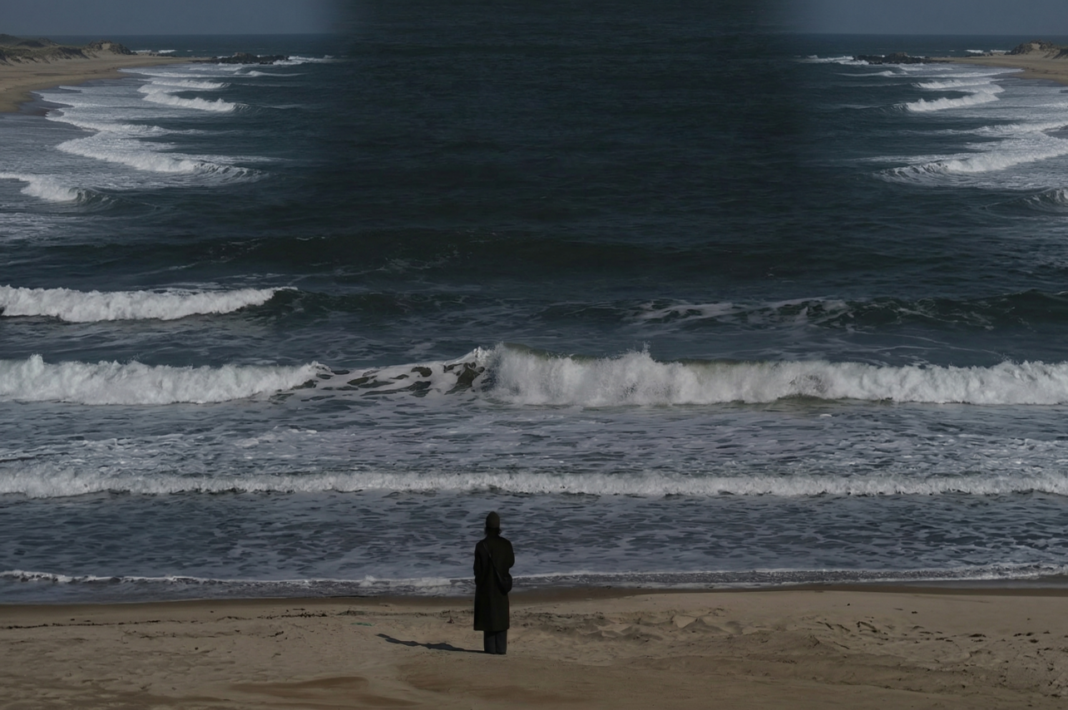

They say that when we lose someone, forty candles light up in our hearts. Each candle is born from memories, silent farewells, and words left unspoken. On the first day, the candles burn fiercely; there is a pain so sharp it feels as if the entire world has frozen, as if time itself has stopped. Hours stretch, days blur together, and suddenly you find yourself lost in the darkness of loss.
The first candle carries the flame of shock and denial. “This can’t be happening,” you tell yourself. The moments you laughed together yesterday replay in your mind, but now that person is no longer by your side. The second candle bears the fire of anger; sometimes at life’s unfairness, sometimes at your own helplessness. The third candle burns with guilt: “I should have done more, said more.” And so it continues, day by day, candle by candle. Yet each candle also carries light. Even within that pain, the traces and memories left by the person you lost become visible. This light reminds us that grief is not only darkness; the very act of mourning is itself a form of love. The profound pain we feel when we lose someone actually shows how deeply we loved them.
The Psychology Of The Forty Candles Ritual
From a psychological perspective, the ritual of forty candles is more than a metaphor—it is an experience. Lighting a candle each day is like breaking the pain into small, manageable pieces. Each flame allows you to acknowledge a memory, a feeling, a moment that touches your heart. Grief is not something to be rushed; it is a process to be felt. Each candle burns and fades in its own time, and you experience the pain at your own pace.
Sitting quietly in the candlelight is like telling a story. Some days the candles flicker, other days the flames calm. This mirrors the ebb and flow of grief. One day you may feel you have accepted it, and the next, tears return. Each candle reminds you that these waves are normal; your connection with the person you lost is still alive. Over time, the flames of forty candles soften. The sharp pain of the first day is replaced by a quieter, yet deep ache. The candles in your heart do not go out; they simply give off a different light. You learn to live with them. Your memories, your grief, and your love coexist. They say that as the forty candles burn in your heart, grief is not only pain but transformation. The memory of the person we lost and the love that remains with us transforms the pain. Candles, as silent lights burning in our hearts, teach us both how to grieve and how to love.
The Distortion Of Time and Reality
Perhaps most importantly, grief itself is a story; as we live it, as we feel it, the light in our hearts never goes out. Yes, grief creates a strange sense of time. Sometimes it stretches hours into eternities, sometimes compresses years into seconds. Sometimes weeks pass in a moment, while a single minute feels unbearable. The phrase we hear most often is, “Time seems to have stopped.” And in fact, this is one of the truest descriptions of grief.
Grief is not only the sorrow felt after a loss; it is the mind and body trying to reconnect with reality. The person, situation, or part of life we lost is no longer here—but for a while, our mind refuses to accept it. So time does not flow in its usual rhythm. One part of us still lives “in the past,” while the other struggles to adjust to a new reality. This duality fractures our sense of time. Another peculiarity of grief is that it is not linear. People often believe that grief follows stages in order. It sounds as if everything will proceed in a straight line. But the reality is far more chaotic and complex. One day you may feel acceptance, and the next, intense anger or denial may resurface. These fluctuations can make a person feel they are “not healing.” Yet this ebb and flow is exactly what grief is. Experiencing and feeling grief is often harder than people expect, because modern life presents pain as something to overcome quickly. “Be strong,” “Life goes on,” “Give it time”—well-meaning phrases that make it harder to truly connect with one’s emotions. Suppressed grief does not disappear; it only transforms, manifesting in the body, relationships, and even physical symptoms.
Accepting Grief As A Lived Experience
As a psychologist, one of the most important points I emphasize is this: grief is not a problem to be solved—it is an experience to be lived. You cannot rush it, bypass it, or force yourself to “get over it.” The healthiest thing you can do is make space for it. Feeling grief may not always be dramatic or intense. Sometimes it shows itself in quietly sitting, dwelling on a memory, or crying for no reason at all. In those moments, the most valuable question to ask yourself is: “What am I feeling right now?” And then accept the answer without judgment.
People often ask, “When will it pass?” There is no definite answer. Because grief does not “pass”—it transforms. Some pains cannot be erased; they can only be experienced. The sharp, unbearable pain of the beginning gradually softens into a gentler ache. The emptiness left by loss never fully fills, but we learn to live with it. This learning process requires patience.
Finally, I want to say this: grief does not have to be endured alone. The idea of carrying the fire of forty candles by yourself is terrifying. But if there is someone beside you, their light can help lighten your burden.