
Interview with Associate Professor Fatümetül Zehra Güldaş
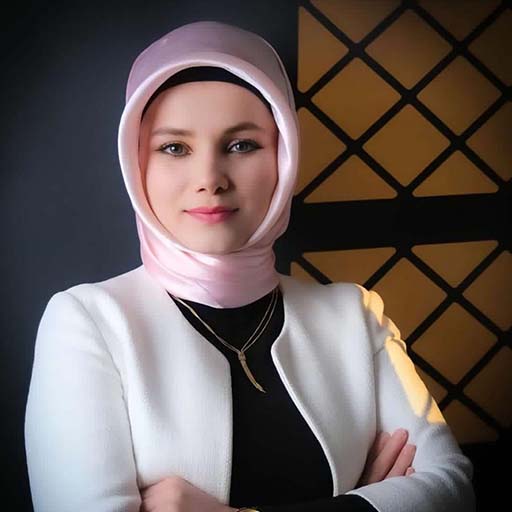

Science, Spirituality, And A Cross-Cultural Journey: Associate Professor Fatümetül Zehra Güldaş
Hello, today I would like to share with you a meaningful and inspiring conversation. Associate Professor Fatümetül Zehra Güldaş, who stands out with her academic productivity and interdisciplinary approach, continues her work at Erzincan Binali Yıldırım University, making distinctive contributions to the field of psychology. In this interview conducted for Psychology Times Türkiye, Dr. Güldaş sincerely shares how her international education shaped her academic perspective, her engagement with spirituality, and her personal transformation journey.
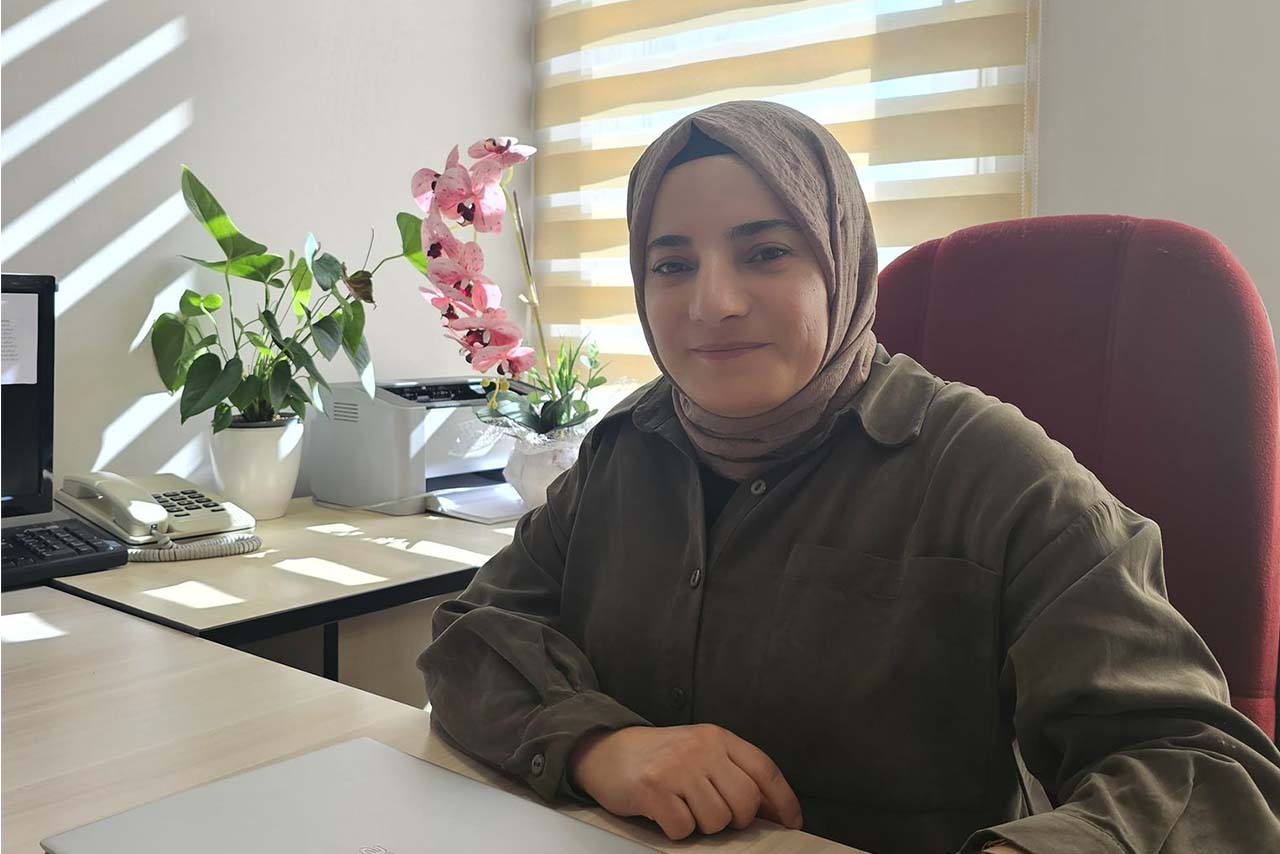
1. Let’s Begin By Getting To Know You — Could You Please Tell Us A Little About Yourself?
I am a faculty member in the Department of Psychology at Erzincan Binali Yıldırım University. I work in the fields of social psychology and the psychology of religion. I completed my undergraduate education at Dokuz Eylül University Faculty of Theology. Afterwards, I pursued graduate studies in the field of psychology abroad.
My research focuses particularly on the psychophysiological effects of religious and spiritual practices, the therapeutic aspects of spirituality, personality traits, and spiritual resilience. In my academic work, I prefer to place an interdisciplinary perspective at the center.
2. What Thoughts And Needs Shaped Your Decision To Go Abroad From Türkiye, And How Did Your Academic Journey Begin?
After graduating from undergraduate studies, I went abroad by receiving the YLSY scholarship program conducted by the Ministry of National Education. I had gained a strong theoretical foundation in religion in Türkiye; however, my desire to experience different academic traditions firsthand, become closely familiar with research culture, and be part of international academic networks shaped this decision.
I pursued my master’s degree in the United States and then continued my doctoral studies in the United Kingdom.
3. What Factors Were Decisive For You When Choosing The Country And University Where You Studied?
I had different priorities for each stage of my education. For my master’s degree, I chose the United States, specifically the School of Theology at Boston University. There, I had the opportunity to directly engage with individuals who practice different religions and to observe their religious experiences firsthand. In addition, my graduate program provided opportunities to observe diverse religious experiences in the field and offered practice-based training.
For my doctorate, I turned to the United Kingdom, to the Department of Psychology at the University of Leicester. In this decision, the strong methodological tradition and research-oriented academic environment were decisive. I believe that studying in both the United States and the United Kingdom provided an important advantage in directly experiencing two different academic traditions that play leading roles in the scientific world worldwide.
4. What Experience During Your Education Contributed Most To Your Academic Development?
What affected me most was the culture of active learning. In almost all courses, writing, speaking, discussion, and critical thinking were at the center of both education and research processes. It was not enough simply to listen; producing texts, interpreting, and debating scientific ideas were expected.
Through this approach, I experienced that learning is not a passive but a productive and inquiry-based process.
5. In What Ways Did The Ph.D. Process Transform You Both Scientifically And Personally?
Personally, the Ph.D. process gave me patience, self-discipline, and mental flexibility. Scientifically, the habit of systematic and planned work transformed my way of thinking. During this process, I realized that research is often less about finding definitive answers and more about generating more meaningful and higher-quality questions.
6. When You Compare Academic Education In Türkiye With Approaches Abroad, What Are The Most Prominent Differences?
Abroad, there are more horizontal relationships and a strong culture of discussion. Students are encouraged not only to receive knowledge but also to actively participate in the interaction of knowledge. In Türkiye, by contrast, education tends to rely more heavily on passive learning, with greater emphasis placed on theoretical depth.
7. How Did Studying Psychology Abroad Affect Your Perspective On The Field?
Coming from a theology background, I initially worked in a text-centered way. I also had no laboratory experience, knowledge of experimental design, or practice in data-based research. Psychology education directed me toward data-driven research.
Working in laboratory settings not only allowed me to see the measurable aspects of religious experiences but also taught me that human behavior must be evaluated both conceptually and empirically. This transition significantly shaped my understanding of psychology of religion as a field that integrates theory and evidence.
8. Which Topic In Your Work In The Psychology Of Religion Affected Or Transformed You The Most?
As is known, partly due to the influence of the behaviorist tradition, religion was for a long time approached cautiously within psychology. This made me realize that working in the psychology of religion requires not only scientific but also conceptual and epistemological justification.
Therefore, working with both experimental and cross-sectional research designs and being able to examine religious or spiritual variables in controlled laboratory settings was truly eye-opening for me.
9. What Was It Like Psychologically To Learn A Foreign Language And Pursue Your Academic Education In That Language?
Initially, it was mentally exhausting, as thinking and writing in a different language constantly required translation. Over time, however, thinking in a foreign language became increasingly natural. Intensive reading, sustained writing, and continuous practice were instrumental in the development of my academic language.
10. During Your Initial Period Abroad, What Was The Most Challenging Aspect Of The Adaptation Process?
The most challenging aspect for me was the difference in social communication styles. Having grown up in Türkiye, I had a social understanding shaped more by collectivist social structures. Life abroad, however, reflected more clearly individualistic social characteristics.
For this reason, understanding unwritten cultural rules and adapting to an individualistic social structure required even more mental energy than academic adaptation.
11. Did Living And Working Abroad Lead To Any Change In Your Personal World Of Belief?
Yes, but instead of weakening my faith, it led to a cognitive restructuring of it. Plus, encountering diverse worldviews deepened my respect for difference and encouraged a more deliberate reflection on my own values.
In other words, for me, faith came to carry a more reflective, awareness-based, and internalized meaning rather than being a habit-based acceptance.
12. How Did Your Decision To Return To Türkiye Take Shape, And How Was The Return Process For You?
The YLSY program is structured to require returning home after completing master’s and Ph.D. education and to contribute by bringing academic knowledge gained abroad to universities in Türkiye. Therefore, my return decision was actually a natural part of the program, but it was also a conscious and meaningful choice for me.
I viewed sharing the knowledge and experience I had gained abroad in Türkiye as a continuation of my academic responsibility.
13. How Would You Describe Your Adaptation Process After Returning To Türkiye? Were There Challenging Aspects?
Adapting from systems with clearer rules to an environment where relationships are more decisive took time. However, I believe that having experienced different academic cultures provides an important long-term advantage.
14. What Is The Most Important Advice You Would Give Today To Those Who Want To Embark On A Similar Academic Journey, Especially Psychologically And Spiritually?
I encourage them to see going abroad not merely as an academic pursuit but as a transformative personal journey. It offers the opportunity to better understand oneself, recognize one’s limits, and develop the capacity to adapt to new environments.
I believe that they will return from such an experience with deep and lasting gains both academically and personally.
In this interview, it was truly inspiring for us to share Dr. Fatümetül Zehra Güldaş’s journey that bridges science and spirituality with you. We look forward to reconnecting in our next article. Happy reading!