


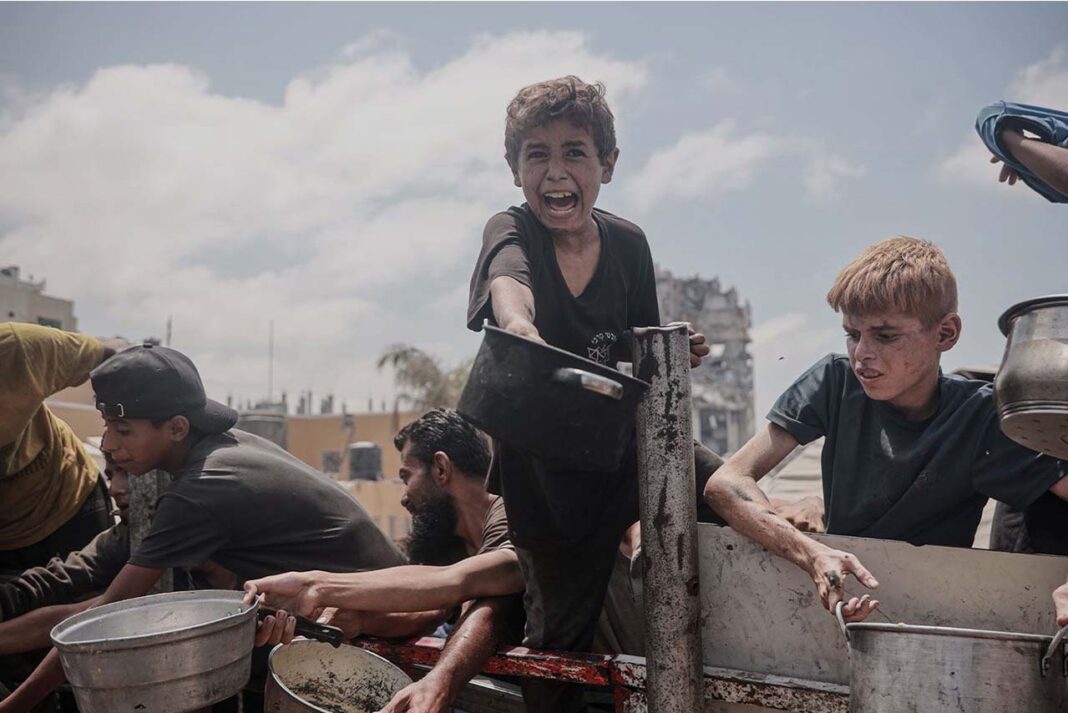

For every child broken by war in Ukraine and Gaza.
Stories from Gaza and Ukraine: Examples from Children’s Lives
Ibrahim has a neighbourhood in Gaza. Much of his day is spent listening to the sound of bombs exploding on his roof. But what affects him most is the fear and helplessness he feels after hearing the explosions at night. Even though his mother tries to comfort him by hugging him, a silent scream rises in Ibrahim’s heart. This trauma surfaces even when he is playing: as he plays with his toys, he imagines roads and buildings constantly being blown up; his imagination now reflects fear instead of laughter.
Iryna also walks through empty streets on her way home from school in Ukraine. Her neighbours’ houses have been reduced to rubble; some of her friends have disappeared or fled. Iryna struggles to put her feelings into words; anger, anxiety and shame intertwine and slowly suffocate her. However, the secure relationship she has built with her teacher and classmates enables her to put her feelings into words and tell her story. This small support network strengthens Iryna’s psychological resilience and helps heal the hidden wounds of trauma.
The Trauma Of War in Children
For children, war is not just exploding bombs and destroyed buildings. All of this creates invisible wounds in their minds. Children in Gaza and Ukraine are forced to struggle with these wounds in their minds. Children’s feelings of security are undermined in this way. This situation, filled with fear and anxiety, is causing them lasting damage. And they are struggling with these feelings all by themselves.
Children in the war experience feelings of insecurity, anger and guilt. Instead of needing play and imagination, they struggle with insecurity and pain. Through the war, survival strategies take the place of the play. All of these can cause long-term psychological effects. Anxiety, attention difficulties and low self-respect may be experienced in later years. That is why, alongside physical security, psychological security is also needed. The silent trauma of war manifests for children in this way.
The Role of Family and Community Support
The role of the family is important in this process. The family is a source of safety for the child. However, creating this atmosphere is as difficult for families as it is for children. The cruelty of war affects everyone, regardless of whether they are children or adults. It is impossible to create a safe and peaceful atmosphere for children in war zones.
When it becomes difficult for the family to provide this possibility, the community must step in. Community also has a critical role to play in children’s well-being. Playgrounds, schools, community centres and safe public places are needed for children there. Children have the possibility to improve their social skills in these places.
Family and community support helps to ease the trauma. Children learn to cope with stress in an environment where they can express their feelings and feel understood, developing empathy and emotional mindfulness. When this support is missing, the trauma can become permanent. It is not possible to reduce the effects of war on children through personal psychological responses alone. A holistic approach encompassing the family and community is therefore important. Protecting the psychological well-being of children caught up in war is essential for both the present and the future.