


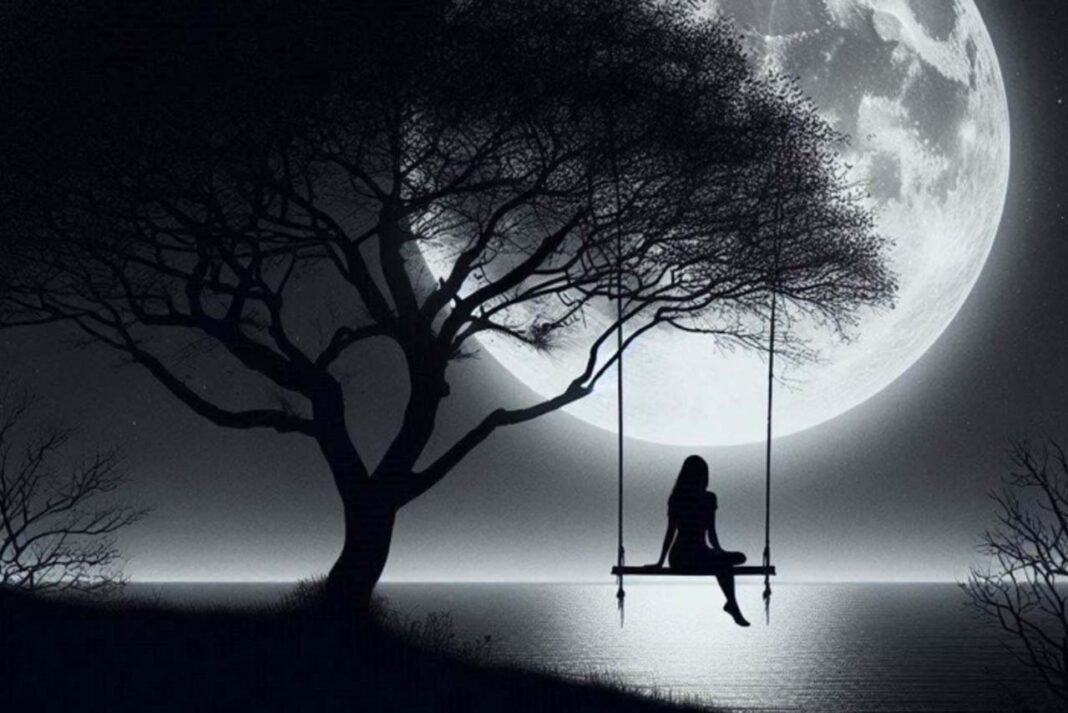

Night should not be perceived solely as a period of darkness. During these hours, the mind engages in deep thought, cognitive processes intensify, and emotional awareness heightens. The intensity of daylight and social stimuli often distracts mental focus. From a night psychology perspective, the silence of the night creates unique mental states.
However, the silence of the night offers individuals the opportunity to turn inward and organize their thoughts. This calm environment allows thoughts to flow freely, mental clarity to strengthen, and emotions to be better recognized. Away from the chaos of daytime, this period supports individuals in unleashing their creativity and deepening their inner thought processes. In this context, night is not only a period of rest but also a special time when mental focus, emotional awareness, and creative productivity reach their peak.
Individuals who prefer nighttime do not use these hours solely for rest; they also seize the opportunity to generate creative ideas, listen to their inner thoughts, and maximize their cognitive capacities.
For activities such as writing, drawing, or problem-solving, the night provides a unique environment that enhances mental focus and productivity. This period allows individuals to delve deeper into their thoughts, express creativity, and develop strategies for complex problems. Thus, night is not only a time for rest but also a period when cognitive and creative potential is fully activated.
Biological Basis and Chronotype
An individual’s internal clock, or circadian rhythm, is the fundamental mechanism governing sleep and wake cycles. Circadian rhythm directly affects energy levels, attention span, and cognitive performance throughout the day.
In evening-type individuals, melatonin secretion and changes in body temperature occur later in the day, resulting in increased mental focus and productivity at night. Congruence between chronotype and daily routine affects not only performance but also emotional stability and cognitive flexibility. Consequently, evening-type individuals with low morning energy may exhibit significant improvements in creative thinking and problem-solving abilities during nighttime hours.
Social Factors and Internal Timing
Modern society often prioritizes morning hours, creating a mismatch between evening-type individuals’ biological clocks and social schedules. This mismatch can limit the ability of night-preferring individuals to be energetic and productive during the day. However, they tend to perform more creatively and effectively at night. Therefore, night becomes not only a period of darkness but also a time for cognitive depth and personal productivity.
Emotional and Mental Processing
Night is a period when an individual is alone with oneself and removed from environmental stimuli. This process enhances cognitive flexibility and supports mental renewal through emotional balance. For individuals with a tendency toward constant thinking, night allows analytical and creative thought processes to operate simultaneously. Artists, writers, and problem-solving-oriented individuals utilize nighttime as a source of mental productivity and inspiration, as the potential for free association and idea generation is highest during these hours.
Neurophysiological Dimension
Another element that makes nighttime special is the body’s neurophysiological processes. Increased melatonin secretion and decreased cortisol levels in the evening allow the mind to relax and cognitive functioning to become more efficient. These biochemical changes support activities requiring creative thinking and free association. Furthermore, neurophysiological changes during nighttime enable individuals to diversify problem-solving strategies and manage complex cognitive processes more effectively.
Conclusion
Interest in nighttime cannot be explained solely by lifestyle. This tendency is shaped by the interaction of an individual’s biological clock, chronotype, emotional needs, and social structures. For some individuals, night is a time of mental focus, emotional awareness, and creative potential. Night-loving individuals experience darkness as a period for deepening thoughts, developing creativity, and enhancing problem-solving skills rather than simply as an empty void. In this context, night holds special significance for both individual development and cognitive productivity.
References
Ingram, K. K., et al. (2016). Molecular insights into chronotype and time-of-day effects on decision-making. Scientific Reports, 6, 29392.
Li, A. R., et al. (2024). Greater social jetlag predicts poorer NIH Toolbox crystallized cognitive and academic performance in adolescents. Chronobiology International.
Montaruli, A. (2021). Biological rhythm and chronotype: New perspectives in health. PMC.
Roenneberg, T. (2012). Social jetlag: Misalignment of biological and social time. Chronobiology International, 29(1), 18–24.
Yang, F. N., Picchioni, D., & Duyn, J. H. (2023). Effects of sleep-corrected social jetlag on measures of mental health, cognitive ability, and brain functional connectivity in early adolescence. Sleep, 46(12).