


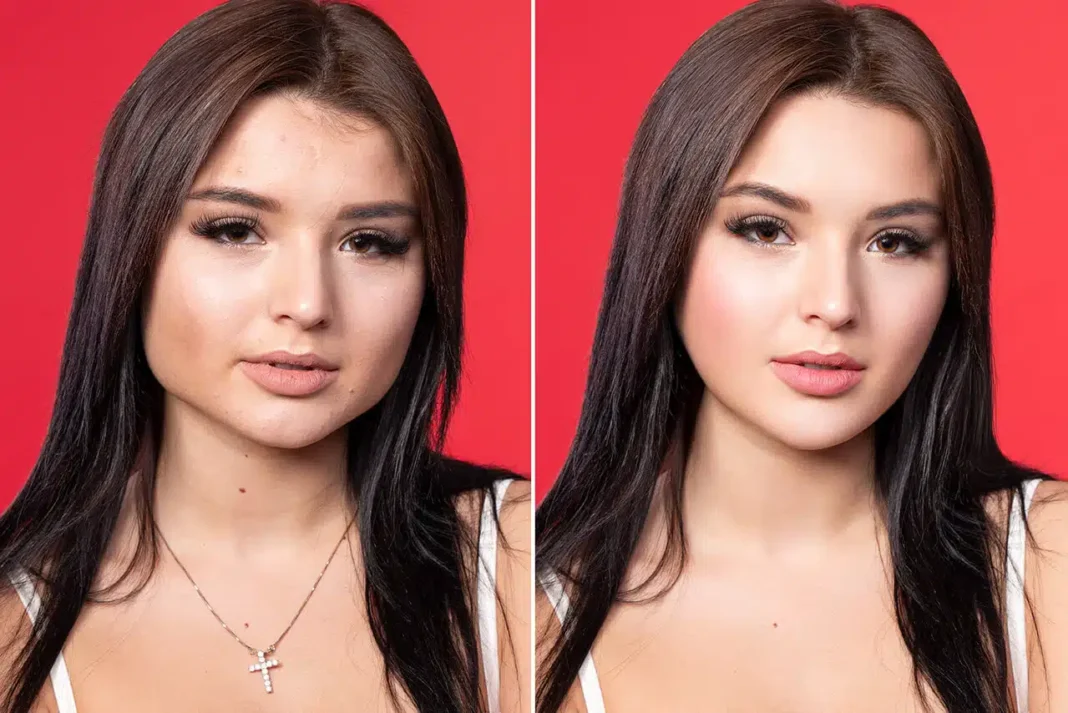

Makeup often begins as a small, deliberate gesture. Fingertips brushing color across the skin, a brush gliding along a curve, a shade selected not only for style but for mood. To an outsider, it may seem routine or superficial. Yet for the person applying it, makeup is a quiet ritual a pause, a breath, a moment of presence. It is a space where the self negotiates how it wishes to appear, both to the world and to itself. In these intimate actions, identity is not hidden; it is explored, shaped, and quietly affirmed (Goffman, 1959).
Psychology often conceptualizes self-presentation as a social act, a way in which individuals influence the impressions others form of them. Makeup rarely fits neatly into this framework alone; instead, it becomes a personal language a dialogue between authenticity and desire, a tactile exploration of selfhood. Each stroke, hue, and texture conveys subtle messages about inner experience, messages that words often cannot express. In makeup, the self is simultaneously visible and private, public and intimate, structured yet flexible (Morgenroth & Ryan, 2020).
Every line of eyeliner, every sweep of lipstick, and every selected palette carries meaning. A bold, dark line may signal confidence or defiance, while a soft, blurred tone might convey vulnerability or introspection. Even the choice to forgo makeup entirely can be a potent statement present in its absence. These decisions are highly personal yet intersect with cultural norms, gendered expectations, and the ongoing feminist struggle to reclaim ownership of one’s image (Bartky, 1990).
From a feminist perspective, makeup is paradoxical. It can empower by granting control and visibility on one’s own terms, yet it can also constrain, reflecting societal ideals of how bodies particularly women should appear. Its true power lies in its fluidity. Makeup enables self-expression to shift, to be softened, sharpened, or resisted. It provides a small breathing space, a personal domain of agency within a world that often demands uniformity (Fredrickson & Roberts, 1997).
The act of applying makeup parallels processes central to art therapy. Creation is less about perfection and more about rendering internal experience through color, form, and texture (Malchiodi, 2012; Rubin, 2016). The face becomes a living canvas where emotions, tensions, and desires are expressed visually. There is no permanence, no expectation of finality. One creates, transforms, and removes, leaving room for renewal. Through this cyclical process, makeup functions as both a ritual of self-care and a method of emotional regulation, engaging the self in a tangible, embodied manner (Malchiodi, 2012).
Makeup’s transient nature further emphasizes the fluidity of identity. Each day offers new possibilities: daring and bold today, subtle and soft tomorrow. This capacity to experiment encourages self-reflection, agency, and personal growth. Makeup thus transcends aesthetics; it becomes a medium for negotiating identity and bridging internal experiences with external presentation (Morgenroth & Ryan, 2020).
Moreover, makeup provides insight into the intersections of social identity, gender norms, and self-expression. It can function as a form of resistance, a way to subvert expectations while asserting control over visibility. Through deliberate choices, individuals claim authorship over their image, deciding how, when, and where to present themselves. Even routine applications can transform into small acts of creation and subtle rebellion (Bartky, 1990).
Ultimately, makeup is more than beauty; it embodies presence, agency, and narrative. It is the act of saying I am here, I choose this, I define my own story. In quiet morning moments or before social encounters, the mirror becomes a space for reflection, rehearsal, and affirmation. Amid societal pressures, makeup offers a gentle form of rebellion as a means to reclaim the self and express intentional identity (Fredrickson & Roberts, 1997).
Perhaps this is why makeup feels deeply human. Identity is never finished; it evolves continuously. Every brushstroke, every color, every intentional detail is an act of self-authorship, a probe into emotional depth, and a claim to individuality. With each application, we engage the world not as it dictates but as we imagine, dare, and choose (Fredrickson & Roberts, 1997; Malchiodi, 2012; Morgenroth & Ryan, 2020; Rubin, 2016).
Makeup, therefore, is a conversation with oneself and the world, a ritual, a canvas, a moment of agency, and a poetic practice of becoming. Day by day, stroke by stroke, reflection upon reflection, each act reminds us that identity is both art and lived experience, a fluid, ongoing journey of self-discovery and self-expression.
References
Bartky, S. L. (1990). Femininity and domination: Studies in the phenomenology of oppression. Routledge.
Fredrickson, B. L., & Roberts, T. A. (1997). Objectification theory: Toward understanding women’s lived experiences and mental health risks. Psychology of Women Quarterly, 21(2), 173–206.
Goffman, E. (1959). The presentation of self in everyday life. Doubleday.
Malchiodi, C. A. (2012). Handbook of art therapy (2nd ed.). Guilford Press.
Morgenroth, T., & Ryan, M. K. (2020). The psychology of makeup: How makeup affects perceptions of women and men. Frontiers in Psychology, 11, 566000.
Rubin, J. A. (2016). Approaches to art therapy: Theory and technique (3rd ed.). Routledge.