


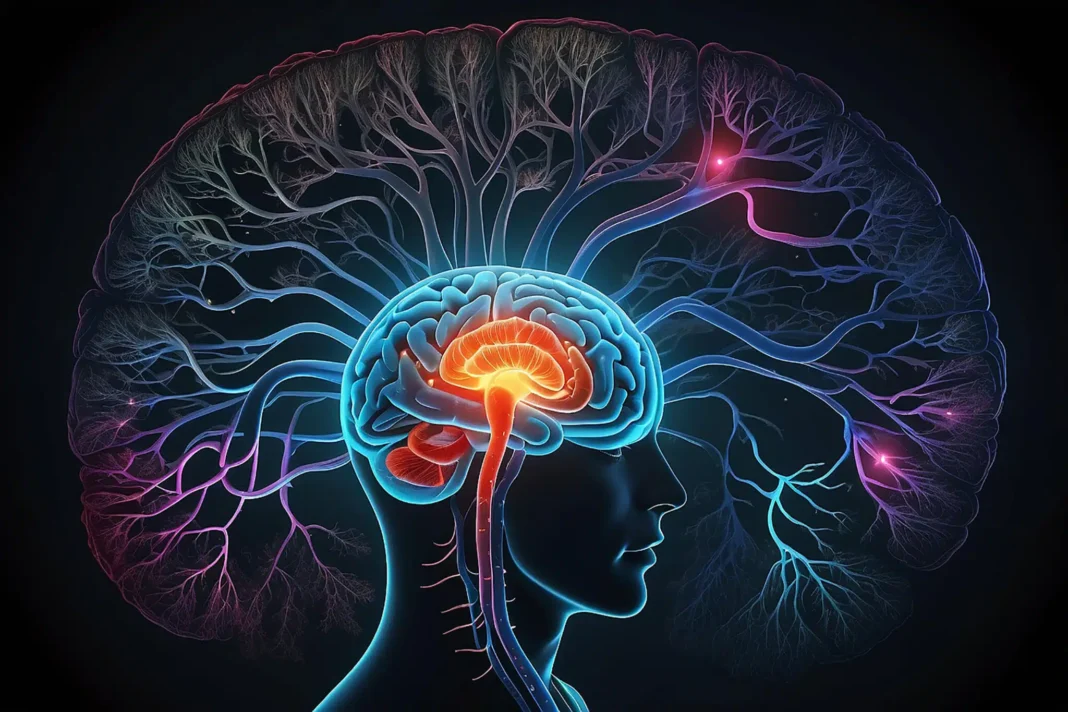

Our brain systematically manages our state of happiness. Specific neurochemicals are secreted based on our physiological and psychological needs, shaping our mood. These chemicals, secreted in a specific order based on our body’s needs, create a feeling of happiness, and we begin to experience positive feelings. In this context, dopamine, endorphins, serotonin, and oxytocin act as keys to our brain’s pleasure processes, forming the building blocks of happiness hormones. This article will examine in detail the roles of these four neurochemicals in the brain and their effects on human behavior.
Dopamine: The Reward Neurotransmitter
Dopamine is a key neurotransmitter that plays a fundamental role in our brain’s reward mechanism. It’s released in the mesolimbic pathway just before pleasurable experiences, creating a state of intense desire and craving for certain things. Just before a favorite meal, when we’re counting down the days to a long-awaited job, or when we’re planning a long-awaited vacation, dopamine is released, creating an intense sense of satisfaction.
As these pleasurable feelings arise, the individual seeks new ways to trigger the reward mechanism. This is because the feelings triggered by dopamine release trigger an intense desire to re-experience those feelings (Dfarhud, Malmir, & Khanahmadi, 2014).
Serotonin: The Happiness Hormone
Serotonin, while primarily known as the happiness hormone, is also closely linked to social status, respect, and approval. Every individual desires respect and affection. This is a fundamental need. When respected, a person feels important and valued. Serotonin is secreted precisely at this point.
Therefore, it is human nature to expect respect and constantly desire to trigger and experience this feeling. High serotonin levels are associated with self-confidence, social harmony, and acceptance. Serotonin levels increase as an individual receives appreciation and respect from their environment. In this regard, animal studies have also shown that animals with higher levels of serotonin have higher serotonin levels.
When humans experience social respect, acceptance, and appreciation, their serotonin levels can increase. This leads to a feeling of greater peace and value. Conversely, in individuals who are not respected or socially accepted, the serotonin balance can be disrupted, leading to feelings of depression and anxiety. Serotonin is not only a biological chemical but also the carrier of feelings of “social connectedness and appreciation” (Baixauli, 2017).
Oxytocin: The Bonding Hormone
Oxytocin is generally known as the “bonding hormone.” Oxytocin strengthens bonds between individuals, creating attachment. Behaviors like hugging, touching, and making eye contact release oxytocin, making people feel happier and more joyful.
Oxytocin works with other happiness chemicals to contribute to the happiness cycle. As positive emotional states like trust, peace, and happiness are experienced, oxytocin release increases, and the person desires to re-experience these feelings. As oxytocin release increases, these feelings are experienced more frequently. Thus, a reciprocal cycle is created, resulting in a state of happiness (Dfarhud, Malmir, & Khanahmadi, 2014).
Endorphins: Natural Pain Relievers
Endorphins are known as short-term pain relievers. Their primary function is to temporarily numb the pain caused by any physical condition. Endorphins are particularly well-known for their “runner’s high.”
Endorphins are responsible for the feeling of happiness and peace in athletes after intense exercise. The body temporarily relieves pain after exercise, enhancing the feeling of pleasure. This is why athletes are happy and at peace even after the most intense workouts. Regular physical activity promotes both physical and mental well-being by promoting endorphin release (Siebers et al., 2022).
The Multidimensional Nature of Happiness
Happiness is not the result of a single biological mechanism, but a multidimensional emotional state that emerges from the systematic functioning of entire systems and chemicals. These processes, which shape human behavior, occur through the interplay of different neurotransmitters and hormones.
When these four chemicals work together, a person achieves not only momentary pleasure but also a sustained state of happiness. Inner balance is achieved in daily life, motivation increases, social bonds are strengthened, and well-being becomes constant and consistent, enhancing the individual’s quality of life. Thus, a positive cycle is achieved.
Therefore, focusing on activities that activate these four chemicals is important for a person to live a higher quality and healthier life.
References
-
Ali, A.H., Ahmed, H.S., Jawad, A.S., Mustafa, M.A. (2021). Endorphin: function and mechanism of action. Science Archives, Vol. 2 (1), 9-13. http://dx.doi.org/10.47587/SA.2021.2102
-
Baixauli E (2017) Happiness: Role of Dopamine and Serotonin on Mood and Negative Emotions. Emerg Med (Los Angel) 7: 350. doi: 10.4172/2165-7548.1000350
-
Dfarhud D, Malmir M, Khanahmadi M. Happiness & Health: The Biological Factors-Systematic Review Article. Iran J Public Health. 2014 Nov;43(11):1468-77. PMID: 26060713; PMCID: PMC4449495.
-
Siebers, M., Biedermann, S. V., & Fuss, J. (2022). Do endocannabinoids cause the runner’s high? Evidence and open questions. The Neuroscientist, 29(3), 352–369. https://doi.org/10.1177/10738584211069981