


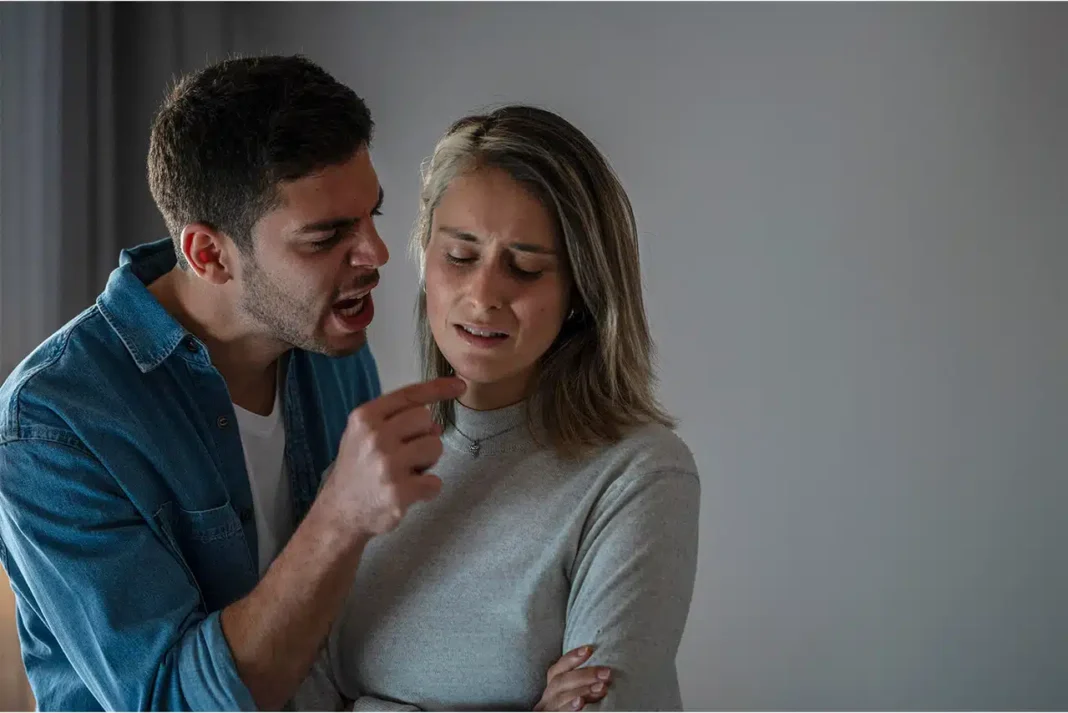

Violence is a problem that has existed since the day human beings came into existence. Although violence varies from culture to culture, in some societies it is never revealed and is experienced in a covert way. Today, violence is directed against all living beings and is more common in fragile groups (women, the elderly, children, the disabled) (Yener, 2023).
What is Violence?
Violence is defined as behaviors that threaten the psychological and physical health of an individual, that hurt people, that include aggression, and that have physical, emotional and psychological dimensions (Çubukçu and Dönmez, 2012, cited by Avcı, 2006; Yener, 2023). Violence is a very broad concept and is not evaluated from a single theory. Since violence is a social phenomenon, it should also be evaluated from a sociological perspective (Yener,2023).
Socially, society is based on certain norms. Individuals act according to these norms in society. Society influences the individual’s behavior with these norms. The individual’s behavior also affects society. Individuals learn many positive and negative things in this way.
Violence is first learned in the family (Yener,2023). When there is a power element, an authority figure in the family, and he/she dominates other family members, violence is more easily implemented. Parents’ violent behavior towards each other, their application of violence to their children, and watching films with violent elements in the family cause violent behavior to be reinforced in children. Children who learn violent behavior continue these behaviors in the same way in the later years of their lives.
Intimate Partner Violence
Intimate partner violence, which is one of the most commonly used types of violence in romantic relationships, is called physical, psychological, sexual violence applied to an individual by a partner (lover, spouse, fiancé, ex-lover, ex-spouse, flirting) (Altinay vr Arat, 2007 Sanchez-Prada et al., 2020 act; Özen, et al., 2024). In the relationship, the man uses violence to show his own power and to have control over the woman. Since men appear to be stronger in terms of genderism, they are more likely to use violence against women (Sanchez- Pradave et al., 2020 cited in; Özen et al., 2024). While physical violence in partner abuse is easily visible, psychological violence is more difficult to detect.
History of Intimate Partner Violence
In the archaeological studies conducted in BC, fractures were seen in the bones examined in the male and female mummies. The ratios of male and female mummies were surprisingly high, indicating that women were more exposed to violence (male mummies 9-20%, female mummies 30-50%). When we look at Roman inscriptions in history, we come across writings that show that men claimed rights over women. For example, they thought that if a woman went out without their permission, they could kill her (Arslan, 1998 cited in; Bulut et al., 2020). The culture we live in, the different meaning society places on men, and the patriarchal structure of families also affect violence.
Prevalence of Intimate Partner Violence
According to the World Health Organization’s studies with more than 24,000 women, it has been concluded that women suffer from physical violence at a rate of 13-61%, advanced physical violence at a rate of 4-49%, sexual violence at a rate of 6-59%, abuse from their partners at a rate of 20-75% (Garcia-Moreno C et al.,2005 akt; Bulut,2020).
Factors Affecting Intimate Partner Violence
-
Low Education Level
-
Attachment styles of the individual
-
Personality Disorders (Narcissistic- Dependent Relationship)
-
Intra-Family Violence Behavior and Cycle
-
Culture
-
Sexism
-
Patriarchal Structure
How Do We Know If We Are Being Exposed to Intimate Partner Violence?
-
The partner’s traditional attitude in the relationship.
-
Restrictive behaviors (Don’t meet with that friend, don’t wear that clothing, etc.)
-
Excessive attention and affection in the early stages of the relationship, followed by a decrease in this and fluctuating behavior in later stages.
-
Constantly making the other party feel guilty and making them doubt their sanity.
-
Isolating the partner from their social circle, family and friends.
-
Not being able to express our boundaries comfortably towards the other party.
-
The partner constantly checks the other person’s social media accounts without permission.
-
Physical violence (slapping, hitting) and forcing sexual intercourse without consent
(WHO,2014 akt; Bulut, et al., 2020).
Why is Intimate Partner Violence Not Told to Others?
Intimate partner violence is a type of violence that is not openly seen by society. This violence usually occurs when two people are alone. Violence is not openly expressed due to the concerns that a female individual experiences from an economic point of view, the threat of a partner, the idea that violence will continue after separation, or even concerns about being killed at an advanced level.
How Should We Treat Our Relatives Who are Exposed to Intimate Partner Violence?
Exposure to partner violence is often not noticed in the early stages of the relationship, and even if it is noticed later, it is difficult to break the bond.
We need to use an accusatory language when dealing with people who have been exposed to partner violence. We must make them feel that we understand them and create the necessary environment of trust for them to share their feelings and thoughts with us.
Reference
Bulut, M., Aslan, R., Arslantaş, H.,(2020). Kabul Edilmesi Gereken Toplumsal Bir Gerçek: Yakın Partner Şiddeti, Sakarya Tıp Dergisi, 10 (2): 334-347
Özen, B., Ar, Y.,(2024). “Kapana Kısılmıştı (m): Kadına Yönelik Psikolojik Yakın Partner Şiddeti ve Kuşaklararası Aktarımı, Klinik Psikoloji Dergisi 8 (2), 255-282. https://doi.org/10.57127/kpd.2602448.1342458
Yener, Ş..,(2023). Şiddet, Şiddet Türleri ve Okulda Öğretmene Yönelen Şiddet, Sosyal Bilimler Dergisi. https://dergipark.org.tr/tr/pub/ictimaiyat