
Introduction
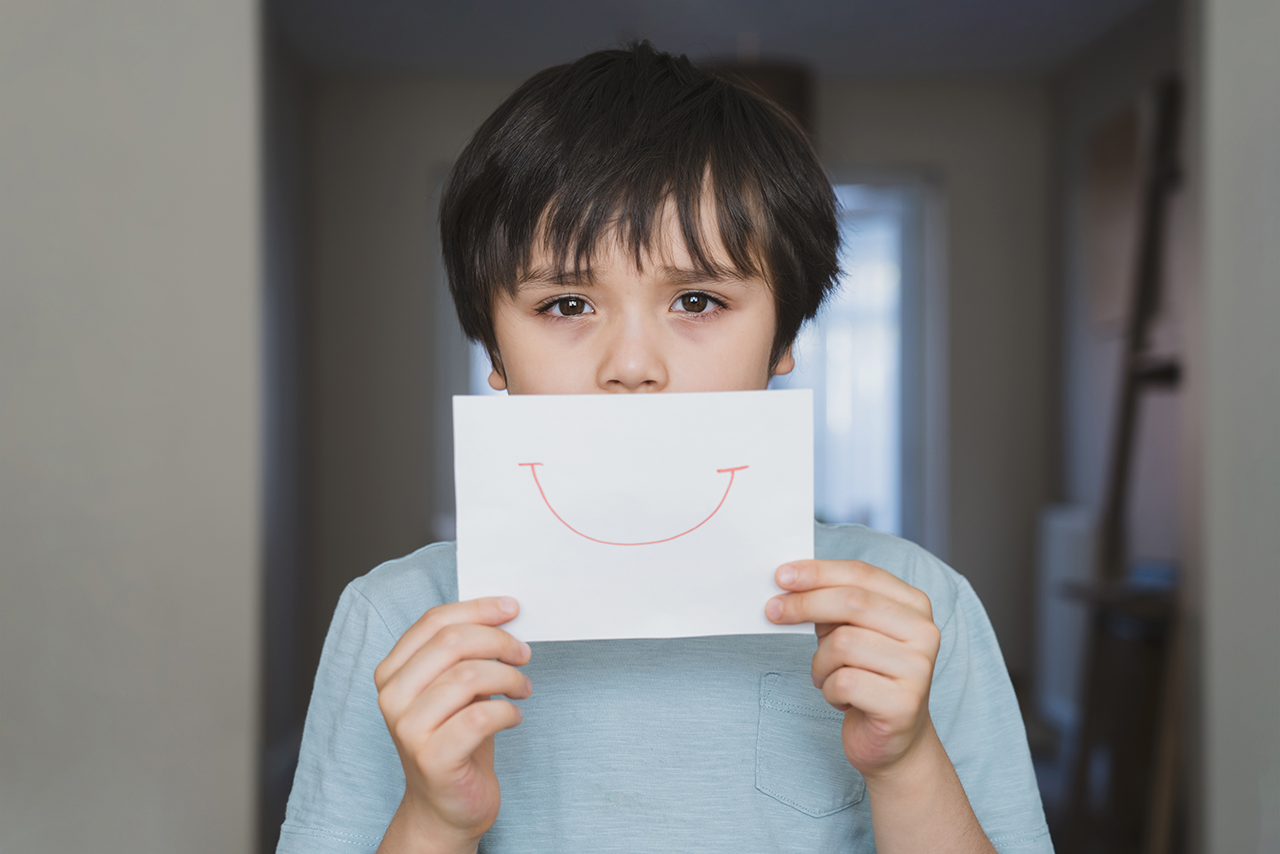
Childhood is a critical period in a person’s life, during which the foundations of personality, sense of security, and ability to form relationships are established. However, trauma experienced during this time can lead to serious problems in relationships during adulthood. Events such as neglect, emotional or physical abuse, parental divorce, or mistreatment can deeply impact an individual’s perspective on relationships. So, how do childhood traumas sabotage romantic, friendship, and social relationships in adulthood?
What Are Childhood Traumas?
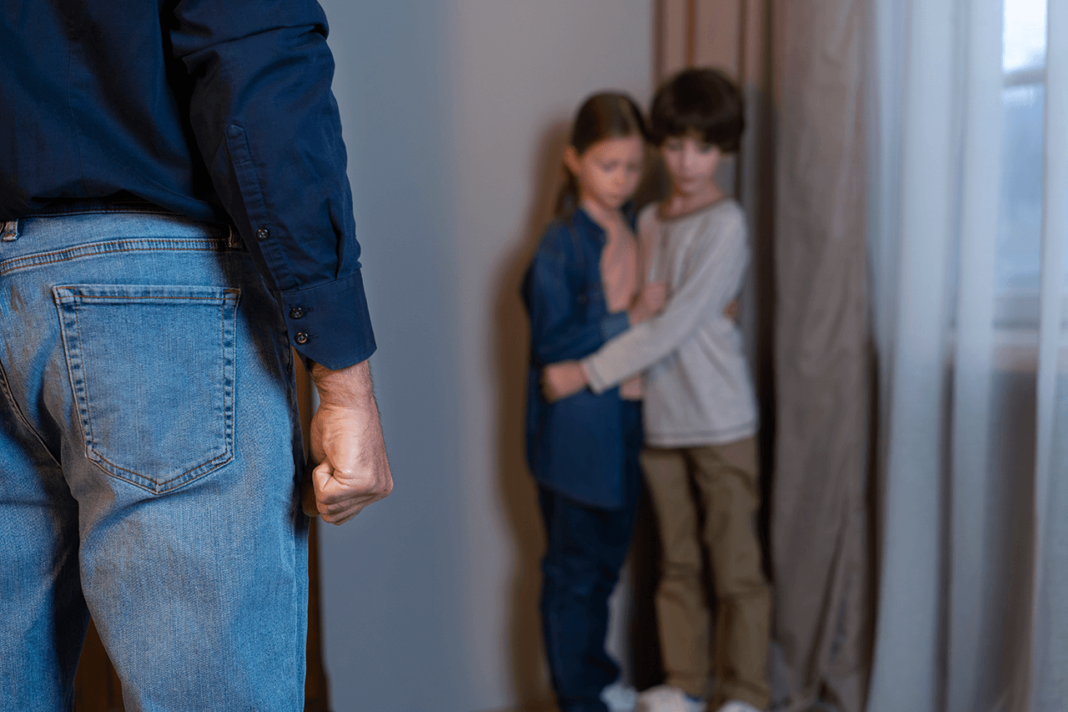
Childhood traumas are events that negatively affect an individual’s development and psychological health. The most common childhood traumas include:
✔ Emotional Neglect: Growing up without love, attention, and compassion.
✔ Physical or Emotional Abuse: Being exposed to violence at home or in the environment.
✔ Parental Separation: Experiencing the loss of parents or the divorce process in childhood.
✔ Abuse (Sexual, Physical, or Emotional): Harm to a child’s physical or psychological integrity.
✔ Loss of Trust: Being abandoned or neglected by trusted adults.
These types of traumas shape how an individual perceives themselves and their surroundings, directly affecting their relationships in adulthood.
The Impact of Childhood Trauma on Relationships in Adulthood
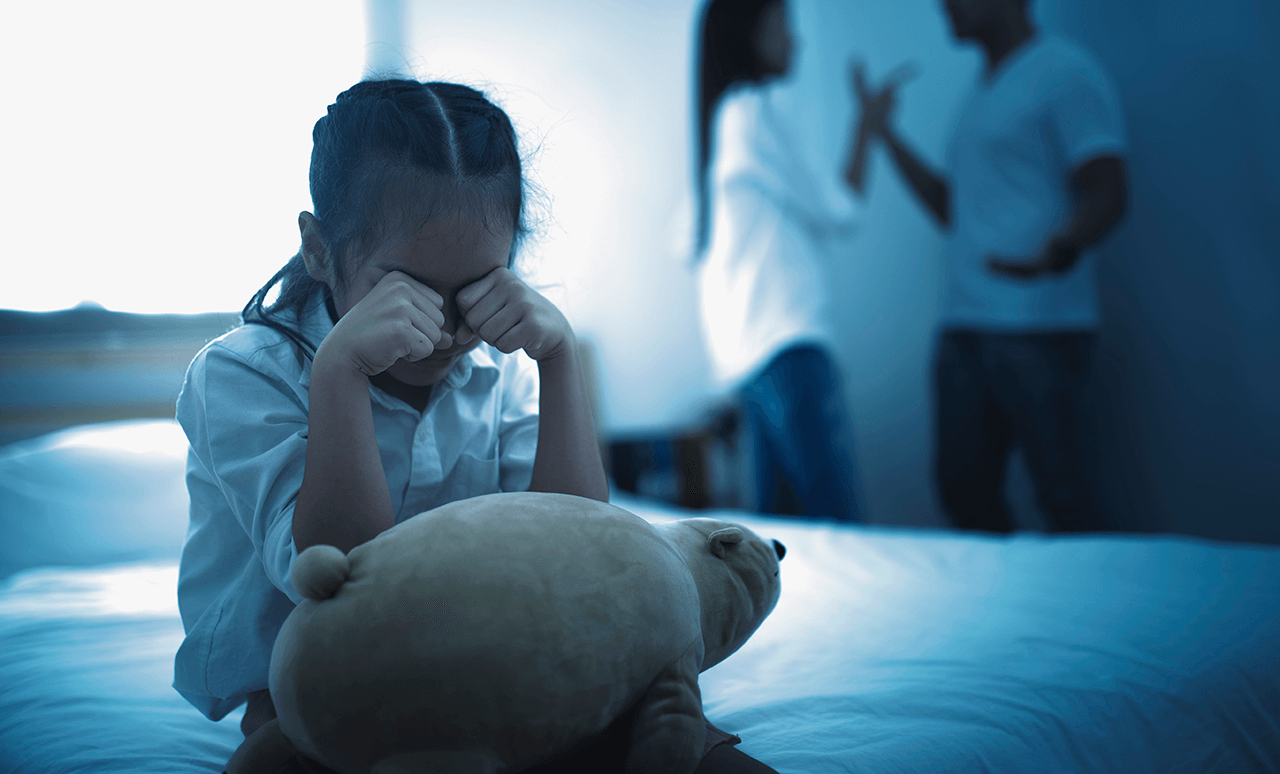
Childhood trauma can change the way a person perceives themselves, others, and the world. Here’s how these traumas can sabotage relationships in adulthood:
1-) Attachment Issues
According to attachment theory, the experiences an individual has during childhood determine their attachment style in adulthood.
- Avoidant Attachment: Individuals who experienced traumatic childhoods may find it difficult to trust others and may avoid close relationships.
- Anxious Attachment: Individuals who constantly needed to win their parents’ attention in childhood may always seek validation in adult relationships.
- Chaotic Attachment: Individuals exposed to contradictory emotions such as love and violence may be inclined toward inconsistent relationships.
2-) Mistrust and Fears
Individuals who experienced neglect or trauma in childhood may have great difficulty trusting others in adulthood. Those who were neglected by people they loved and trusted in the past may withdraw emotionally, fearing a repeat of that experience in adult relationships.
3-) Normalizing Toxic Relationships
Individuals who were constantly criticized, made to feel worthless, or exposed to violence in childhood may be drawn to relationships with similar dynamics in adulthood. If a person was exposed to an unhealthy relationship model in childhood, they may normalize such relationships in their adult life.
4-) Overly Controlling or Submissive Behavior
Individuals who have experienced trauma often exhibit either overly controlling behaviors or completely passive attitudes. Controlling individuals may feel the need to direct their partners constantly, while passive individuals may struggle to express themselves.
5-) Low Self-Esteem and Self-Sabotage
Childhood trauma can lead individuals to develop negative beliefs about themselves. Thoughts like “I’m not worthy of love,” or “No one really cares about me,” can hinder the ability to build healthy relationships.
6-) Fear of Abandonment
Individuals who experienced abandonment or neglect in childhood may live with a constant fear of being abandoned in adulthood. As a result, they may become overly dependent on their relationships or may choose not to attach to anyone at all.
Solutions to Mitigate the Effects of Childhood Trauma on Relationships
It is possible to reduce the negative effects of childhood trauma on relationships. Here are some steps to take:
✔ Develop Awareness: Recognizing how past traumas affect your current behaviors is the first step toward change.
✔ Psychotherapy Support: Therapies such as Cognitive Behavioral Therapy (CBT) and EMDR are effective in reducing the impact of past traumas.
✔ Set Healthy Boundaries: Establishing healthy boundaries in relationships can protect against toxic dynamics.
✔ Develop Self-Compassion: Instead of judging yourself, it’s important to accept that you are valuable, independent of your past traumas.
✔ Engage in New and Healthy Experiences: Over time, building healthy relationships can help change the negative beliefs formed by childhood trauma.
Conclusion
Childhood trauma can directly affect our relationships in adulthood, leading to trust issues, toxic relationships, and many other problems. However, these traumas do not have to define a person’s life. With conscious awareness, therapy, and healthy relationship practices, it is possible to overcome the negative effects of the past.
Remember, your childhood traumas do not define who you are. What matters is how you respond to your past and how you shape your future. Accepting and confronting your past traumas is an important step in creating healthy relationships and can change your life.