


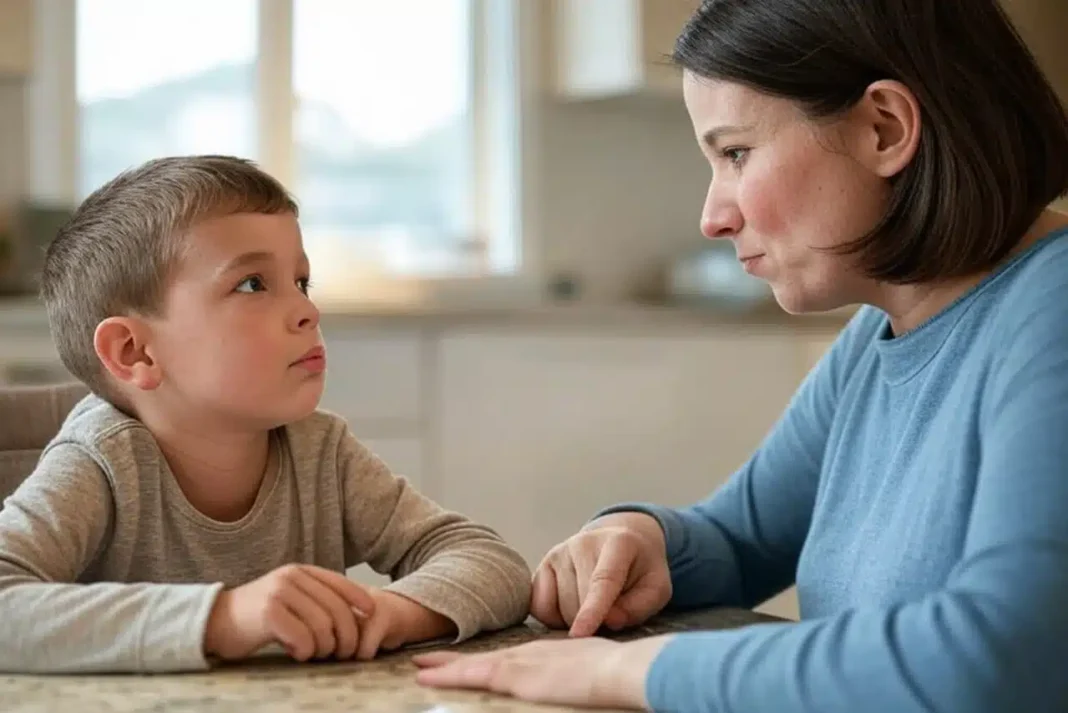

For many parents, “discipline” still means punishment, yelling, or threats. Yet the original meaning of discipline is closer to teaching and guiding than to hurting. Pozitif ebeveynlik defines discipline as helping children develop self-regulation, not forcing blind obedience (Sanders, 1999).
In this perspective, the child is a developing brain and emotional world, not a “small adult” who must simply comply. The parent’s role is to combine clear limits with warmth and emotional safety.
What Positive Parenting Is And Is Not
Positive parenting is not “letting children do whatever they want” or praising them constantly. It rests on three pillars:
1. Warmth And Secure Attachment
When children feel loved and accepted, they are more ready to internalize rules. Sentences that name both the feeling and the limit are powerful:
“You’re angry, I see that; but you can’t hit your brother.”
2. Clear And Consistent Limits
Limits are not abandoned; they are clear, brief, and age-appropriate. Children feel safer when they know what is expected.
3. Modeling
Children learn more from what they see than from what they hear. A parent who expresses anger without shouting is modeling the same self-control they hope to see in their child.
Why Harsh Punishment Backfires
A large body of research shows that physical punishment may create short-term compliance, but in the long run it is associated with higher aggression, more behavior problems, and damaged parent–child relationships (Gershoff, 2013; Gershoff & Grogan-Kaylor, 2016).
Spanking and harsh punishment:
-
Do not explain why the behavior is wrong,
-
Fail to show what to do instead,
-
Send the message that “might makes right,”
-
Increase fear and erode trust (Gershoff, 2013).
Pozitif ebeveynlik in contrast, seeks to manage behavior while protecting the child’s dignity and fostering internal motivation to do the right thing.
Five Everyday Steps For Positive Discipline
Evidence-based programs such as the Triple P – Positive Parenting Program use a similar set of principles (Sanders, 1999; Sanders et al., 2014):
1. Set Short, Concrete Rules
Instead of “Be good,” say:
“No running in the house.”
“We put toys back in the box after playing.”
Explain rules calmly, with eye contact and a firm but kind tone.
2. Use Routines And Prepare In Advance
Children thrive on predictability. Simple routines for mornings, screen time, and bedtime reduce daily battles and help everyone know what comes next.
3. Use Natural And Logical Consequences
The goal is not to make the child suffer but to let them safely experience the outcome of their choices:
-
If a toy is thrown and broken on purpose, a new one is not immediately bought.
-
If they fill up on snacks before dinner, there are no extra snack options at the table.
4. Notice And Name Positive Behavior
If children only get attention when they misbehave, they may conclude that misbehavior is the best way to be seen. Positive discipline “catches” desirable behavior and labels it:
“You shared with your sister. That was very kind.”
“You waited for your turn. That was very patient of you.”
5. Stay Calm And Coach Emotions
A parent overwhelmed by their own emotions cannot realistically teach emotional regulation. Taking a brief pause, then calmly restating the limit, protects both sides.
Emotion coaching includes labeling the feeling and suggesting alternatives such as talking, drawing, or taking a short break.
Conclusion: Consistent Kindness Over Perfection
Positive parenting does not require being perfect. Parents will sometimes shout, overreact, or make mistakes. What matters is the repair:
-
Admitting mistakes and apologizing,
-
Trying to stay consistent with limits,
-
Staying curious about the feelings behind behavior,
-
Choosing guidance over punishment whenever possible.
Children do not need flawless parents; they need adults who combine clear boundaries with steady love — the essence of çocuk gelişimi and healthy disiplin.
References
Gershoff, E. T. (2013). Spanking and child development: We know enough now to stop hitting our children. Child Development Perspectives, 7(3), 133–137.
Gershoff, E. T., & Grogan-Kaylor, A. (2016). Spanking and child outcomes: Old controversies and new meta-analyses. Journal of Family Psychology, 30(4), 453–469.
Sanders, M. R. (1999). Triple P–Positive Parenting Program: Towards an empirically validated multilevel parenting and family support strategy for the prevention of behavior and emotional problems in children. Clinical Child and Family Psychology Review, 2(2), 71–90.
Sanders, M. R., Kirby, J. N., Tellegen, C. L., & Day, J. J. (2014). The Triple P–Positive Parenting Program: A systematic review and meta-analysis of a multi-level system of parenting support. Clinical Psychology Review, 34(4), 337–357.