


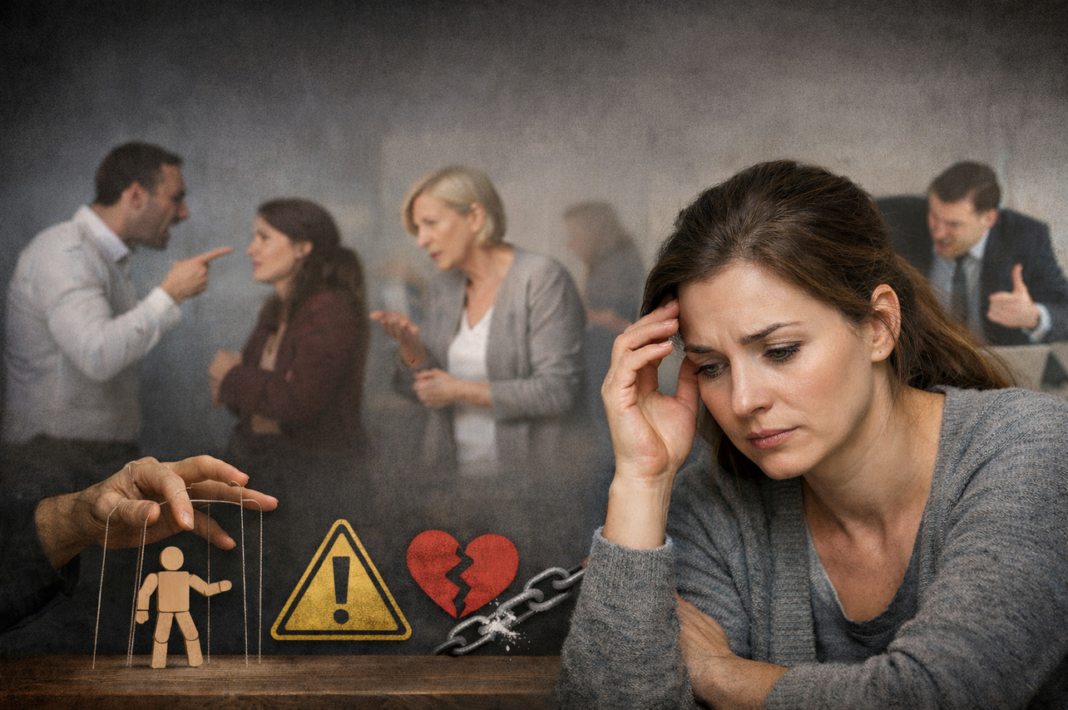

In everyday life, almost everyone encounters “difficult” people from time to time. However, some relationships are not merely challenging but deeply draining and psychologically harmful. Relationships characterized by constant criticism, manipulation, boundary violations, or guilt induction are often described as toxic in psychology. These dynamics do not occur only in romantic relationships; they are also common within families, friendships, and workplaces. Toxic behaviors rarely present themselves as overt aggression. Instead, they often operate through subtle, covert patterns that are difficult to identify. As a result, many individuals remain in such relationships for long periods without realizing the emotional damage they are experiencing. This article explores the psychological foundations of toxic behaviors, how to recognize them, and how individuals can protect themselves from their harmful effects.
What are toxic behaviors?
Toxic behaviors refer to recurring interaction patterns that undermine emotional safety, damage self-esteem, and disrupt the balance of power within a relationship. These behaviors may include manipulation, emotional blackmail, passive-aggressive communication, excessive control, devaluation, and repeated boundary violations. What defines toxicity is not a single incident, but the persistence and repetition of these behaviors over time.
Why do toxic people behave this way?
From a psychological perspective, toxic behaviors are often rooted in insecurity, low self-worth, a strong need for control, and maladaptive relational patterns learned early in life. According to attachment theory, individuals with insecure attachment styles may engage in controlling or emotionally distant behaviors as a way to regulate their anxiety within relationships (Bowlby, 1988). For these individuals, relationships are not spaces of mutual connection but mechanisms for managing inner distress. Some toxic individuals unconsciously relieve their emotional burden by transferring it onto others. For instance, those who constantly adopt a victim role may induce guilt in others to maintain a sense of control or validation. This dynamic is particularly harmful for highly empathetic individuals, who may feel responsible for regulating the other person’s emotions and well-being.
Toxic dynamics within families
Toxic behaviors are most frequently normalized within family relationships. Cultural beliefs such as “family must always be tolerated” or “parents know best” can lead individuals to accept repeated boundary violations. Critical parenting styles, conditional affection, and emotional neglect can significantly shape a person’s self-concept and future relational choices. In family therapy, it is commonly observed that individuals unconsciously recreate familiar relational patterns learned in childhood within their adult relationships. One of my clients realized that after every conversation with her mother, she felt inadequate and deeply guilty. There were no direct insults; instead, the communication was filled with subtle comparisons, implications, and phrases like “I’m saying this for your own good.” This example illustrates how toxic behaviors can be indirect, yet profoundly impactful.
How can we recognize a toxic relationship?
One of the clearest indicators of a toxic relationship is the gradual loss of one’s authentic self. Constantly monitoring one’s words, feeling the need to manage the other person’s reactions, or remaining emotionally hypervigilant are strong warning signs. Additionally, if interactions consistently leave a person feeling exhausted, confused, or devalued, the relationship may be psychologically unsafe.
Why is it so hard to walk away?
Many individuals remain in toxic relationships due to attachment, hope, and habituation. This phenomenon is often described as trauma bonding, where emotional dependency forms through cycles of harm and intermittent relief (Herman, 1992). The individual may believe the other person will eventually change or fear loneliness more than emotional harm. In such cases, psychological support plays a crucial role in identifying and breaking these patterns.
Conclusion
Dealing with difficult people is not about changing others; it is about recognizing one’s own boundaries, needs, and intrinsic worth. Identifying toxic behaviors is the first step toward psychological self-protection. Healthy relationships are built on mutual respect, emotional safety, and clear boundaries. Familiarity does not equal health, and endurance should not be mistaken for strength.
Suggestions
-
Focus on Behavior: Pay attention to how someone’s actions affect you rather than trying to interpret their intentions.
-
Learn to Set Boundaries: Practice clear, concise boundary statements without overexplaining.
-
Address Guilt: Remind yourself that setting boundaries is not selfish but a psychological necessity.
-
Create Emotional Distance: You are not obligated to respond to every provocation or demand.
-
Seek Support: Individual or family therapy can help identify and break toxic relational cycles.
-
Observe Yourself: Notice how you feel after interactions—your emotional and physical responses provide valuable insight.
Remember, changing difficult people is not always possible, but protecting yourself is. Healthy relationships are not those that diminish you, but those that allow you to grow.
ReferencesÂ
Bowlby, J. (1988). A secure base: Parent-child attachment and healthy human development. Basic Books. Herman, J. L. (1992). Trauma and recovery. Basic Books. Forward, S., & Frazier, D. (1997). Emotional blackmail: When the people in your life use fear, obligation, and guilt to manipulate you. Harper Collins.