


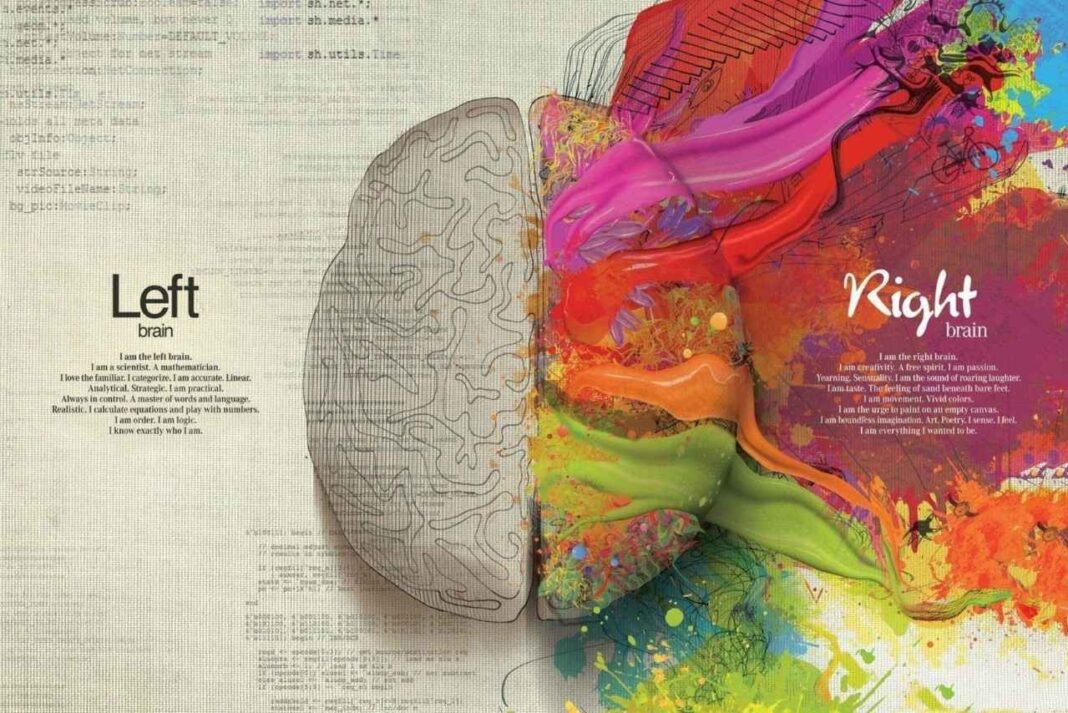

Aging brings about not only physical transformations but also substantial changes in cognitive and emotional functioning. Structural and functional changes in brain tissue over time can affect a wide range of cognitive abilities, including memory, attention, and executive functioning. Recent studies have increasingly focused on the complex relationship between neurological aging and psychological well-being. This article explores the neurophysiological mechanisms of age-related brain changes, their psychological consequences, and supportive interventions for healthy cognitive aging.
1. Structural Basis of Neurological Aging
Aging is commonly associated with a general reduction in brain volume. This is particularly evident in the prefrontal cortex, hippocampus, and cerebellum—areas that are critical for cognitive processing. These changes may manifest as slower decision-making, diminished memory, and difficulties in learning new information.
Additional age-related changes include decreased synaptic density, demyelination, and reductions in neurotransmitters such as dopamine. However, the brain retains a certain degree of adaptability through neuroplasticity, allowing for compensation and reorganization in response to these losses (Cabeza et al., 2018).
2. Cognitive Aging and Psychological Impacts
Cognitive aging varies from person to person, but common symptoms include memory decline, reduced attention span, and slower processing speed. These cognitive changes can significantly affect psychological well-being in older adults.
Older adults may experience depression, anxiety, or feelings of isolation as a result of cognitive decline. Daily functional difficulties and reduced mental performance may lower one’s sense of self-efficacy and perceived competence. Supporting cognitive health is therefore a vital component of maintaining psychological resilience (Harada et al., 2013).
3. Protective Factors and Neuropsychological Resilience
Not all individuals experience significant cognitive decline with age. Some maintain high mental performance due to what is termed cognitive reserve. Factors such as higher education, social engagement, mental stimulation, and physical activity contribute significantly to building this reserve (Stern, 2009).
Emotional resilience, adaptive coping with life stressors, and positive affect also appear to play a protective role in the aging brain, promoting both cognitive and emotional stability.
4. Interventions and Future Perspectives
There are several strategies designed to support cognitive and psychological health in older adults:
-
Cognitive Training: Programs targeting memory, attention, and reasoning skills have shown efficacy in slowing cognitive decline.
-
Physical Activity: Aerobic exercises have been linked to increased hippocampal volume and improved executive functioning (Erickson et al., 2011).
-
Social Engagement: Maintaining active social relationships supports emotional well-being and delays cognitive deterioration.
-
Lifestyle Factors: Balanced nutrition, regular sleep, and stress management contribute significantly to brain health.
Emerging technologies such as AI-based cognitive screening tools and digital cognitive training platforms are likely to expand the scope of personalized and preventative approaches to aging-related cognitive decline in the near future.
Neurological aging brings about changes in brain structure and function that are closely tied to psychological well-being. However, the aging brain is not entirely defenseless. Neuroplasticity, cognitive reserve, and a healthy lifestyle provide individuals with tools to maintain resilience during this process. Continued interdisciplinary research will further enrich the development of innovative strategies to protect and enhance mental health in older adulthood.
References
-
Cabeza, R., Rajah, M. N., & Nyberg, L. (2018). Cognitive neuroscience of aging: Linking cognitive and cerebral aging. Oxford University Press.
-
Erickson, K. I., Voss, M. W., Prakash, R. S., Basak, C., Szabo, A., Chaddock, L., … & Kramer, A. F. (2011). Exercise training increases size of hippocampus and improves memory. Proceedings of the National Academy of Sciences, 108(7), 3017–3022. https://doi.org/10.1073/pnas.1015950108
-
Harada, C. N., Natelson Love, M. C., & Triebel, K. L. (2013). Normal cognitive aging. Clinics in Geriatric Medicine, 29(4), 737–752. https://doi.org/10.1016/j.cger.2013.07.002
-
Stern, Y. (2009). Cognitive reserve. Neuropsychologia, 47(10), 2015–2028. https://doi.org/10.1016/j.neuropsychologia.2009.03.004