


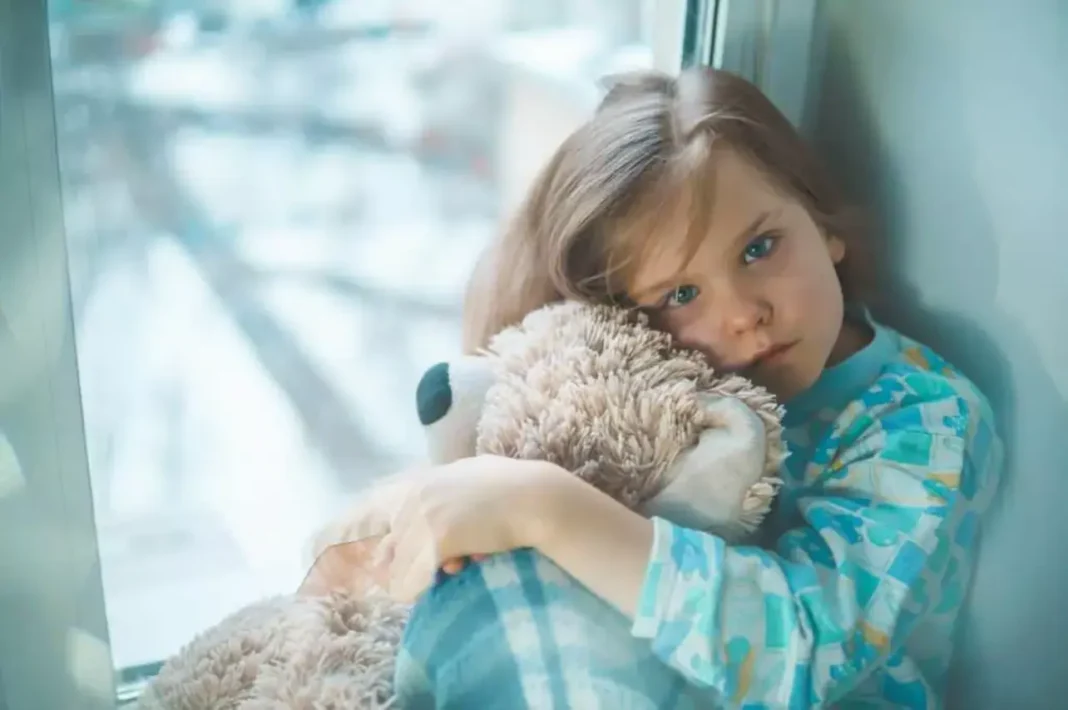

As the seasons slowly change, it’s not just nature that is affected—children’s worlds are influenced as well. Early childhood is a period of intense emotions, rapid development of play and social skills. During the transition from autumn to winter, small but significant changes can be observed. This transition can affect many areas, from children’s energy levels and play preferences to their emotions and social relationships.
Energy Drops: Less Sun, More Fatigue
Days get shorter, the weather gets colder, and sunlight decreases; this can lead to lower energy in children, feeling cold more easily, and shorter outdoor playtime. Playing outside is crucial for both physical development and emotional well-being. When the weather is cold, children spend more time indoors, which can make it harder for them to meet their need for movement and sometimes cause restlessness.
Short but regular sunny walks can make a big difference during this period. For example, 10–15 minute mini walks in the morning or afternoon can help with vitamin D intake and help balance children’s energy. Additionally, creating small play areas indoors can encourage movement. Floor games, mini obstacle courses, or simple dance breaks allow children to release their energy in a healthy way.
Emotions Fluctuate: Feelings Become More Pronounced
Children in early childhood experience emotions intensely and cannot fully regulate them yet. Seasonal transitions can stir this sensitive system even more. During this period, children may cry more easily, cling to parents, and be more affected by small changes in routines. For example, a child who usually adapts easily to school or activities may become more impatient or restless during this time.
Consistent and warm communication is very valuable here. Simple but reassuring messages like “I’m here, everything is okay” help children recognize their feelings and feel secure. Supporting them in naming their emotions is also important. Phrases like, “You seem a bit tired today, don’t you?” or “I think it feels strange when it gets dark early” help children make sense of their own emotions.
Indoor Movement Increases, Outdoor Play Decreases
As the weather gets colder, children play less outside, which increases the need for indoor movement. During this time, children may become more active and demanding, impulsivity may rise, and the need to remind them of rules may increase. These behaviors are generally temporary and are a natural effect of the season.
Offering creative indoor solutions can be helpful. Setting up a mini obstacle course in the room, playing floor games with cushions, or doing simple movement games together can be both fun and allow energy to be released in a healthy way. These activities also support children’s attention span and motor skills.
Small Fluctuations In Social Relationships
Seasonal transitions can also affect social interactions. Children may be more impatient with activities or playgroups, small conflicts may occur more frequently, and sometimes they may prefer to play alone. This does not indicate a social regression; it simply reflects temporary changes in their energy levels.
Parents and educators should approach these behaviors with understanding and continue to support children’s social skills. For example, taking short breaks during group games or offering small options for joint play helps maintain social interaction. Asking simple questions to raise emotional awareness during disagreements, such as, “How did you feel when your friend did that?” can also be beneficial.
Renewal In The World Of Play
The transition from autumn to winter also changes play themes. Children tend to engage more in pretend play, doctor games, and building activities. Drawing and storytelling allow them to express emotions. Their imagination is highly active during this period, and emotional release through play is important.
Parents can support this by providing space in play areas. Creating a play corner at home, providing materials and props, or storytelling together supports both emotional and cognitive development.
Small Touches For Parents
Making small but effective adjustments during the transition period can make a big difference. Maintaining routines without being rigid, making use of daylight, and discussing seasonal changes help children understand their environment. Providing indoor mini obstacle courses, floor games, or dance breaks offers fun and active solutions. Supporting children in naming their emotions is also crucial; phrases like, “You seem a bit tired today, don’t you?” or “I think it feels strange when it gets dark early” help them recognize their feelings.
With these small touches, the transition from the last days of autumn to the first days of winter can become a more enjoyable and calm experience for both you and your child.