


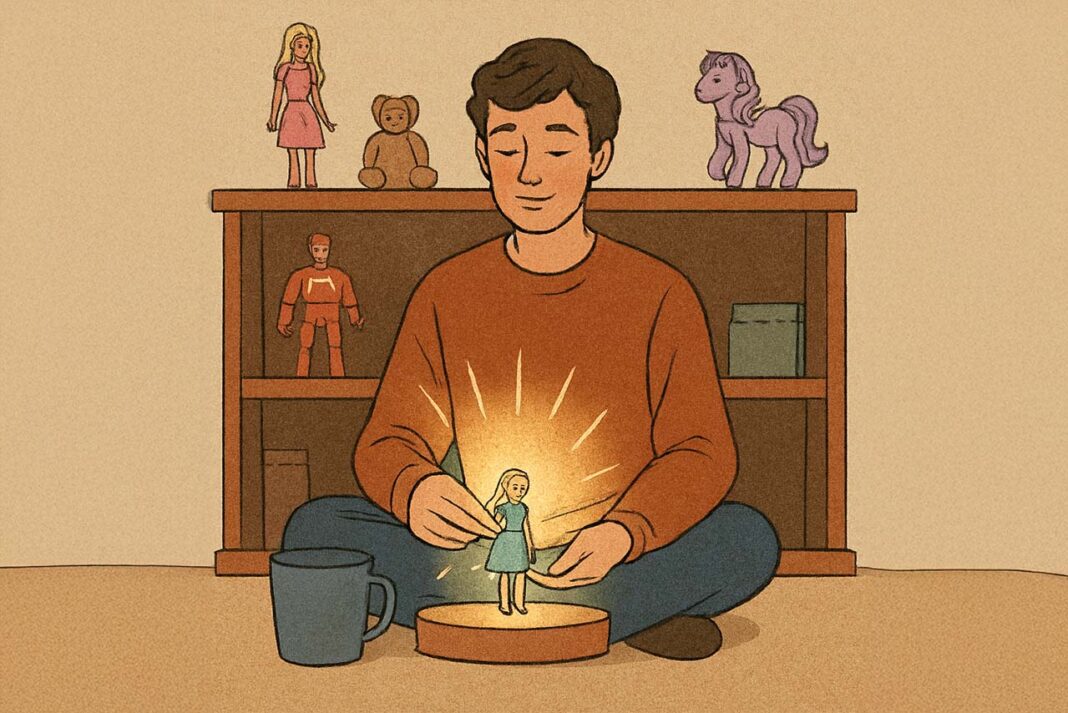

Why Do We Collect?
Many people today see collecting as just a hobby. But from a collector’s perspective, it is much more—a way of creating inner order. What does that mean? Throughout the day, we encounter stress in both subtle and obvious forms. Take a barista who accidentally adds sugar to a coffee that was ordered without it. The mistake may be corrected quickly, but a voice inside still whispers, “Why wasn’t I more careful?” The rules, responsibilities, and expectations of daily life can feel suffocating. So when we return home, we crave a space where we set the rules, where no one can criticize us. That is where collecting comes in.
Imagine a coin collection missing a single 1 kuruş coin. To most people, it is a forgotten piece of currency. But to the collector, it holds immense meaning. Finding it—especially by chance or at a bargain—can feel like winning the world. That coin becomes a symbol of triumph.
For collectors, objects are no longer just physical—they become psychological anchors. In a fire, some would save their collection first. This shows that for some, happiness is not tied only to living beings; it can also be found in inanimate objects.
The Roots Of The Urge To Complete
From a psychodynamic perspective, the drive to complete what is missing gives us a sense of mastery. Finding that elusive accessory or figure can create the feeling, “I am whole.” This is where control enters the picture. A collector who sees themselves as more knowledgeable may insist that their opinion is the only valid one, even attempting to dominate others in the same field.
But when this drive spirals out of balance, it can become harmful. If someone shuts out the world and retreats entirely into their collection, they will not find peace either. That is why collecting should not be seen as the direct source of happiness, but as a pathway toward it. In this sense, collecting can function as a form of emotional regulation, offering temporary relief and structure in an unpredictable world.
Emotional Bonds With Objects
Earlier, we mentioned someone saving their collection in a fire. To a non-collector, this may seem irrational. But fellow collectors understand. Imagine owning a limited-edition doll. It becomes more than a toy—it becomes a scene, a symbol. It is rare, and others do not have it. That uniqueness strengthens attachment.
Objects, in this context, carry symbolic meaning. They may represent achievement, identity, nostalgia, or even unresolved emotional needs. Through these attachments, individuals experience a sense of stability and continuity.
The Healing Power Of Collecting
Now let us explore the positive side. When someone creates their own inner order, they often find comfort. After a tiring day as a sales consultant, spending time with those figures can be mentally soothing. It reminds them that their life still belongs to them.
Finding a missing accessory, placing it in the right spot, building a scene around it—these acts awaken a sense of control. The satisfaction and pride they bring can erase the day’s troubles, both big and small. In this way, collecting can become a structured ritual that supports psychological control and emotional balance.
The Dangerous Side: Obsession Or Order?
So here is the question: is collecting healthy, or can it become psychologically draining?
When the urge to complete becomes obsessive, it can lead to stress and loss of focus. The person may struggle to keep up with daily routines and feel unsettled even in their own mind. What we ultimately want is for the individual to feel in control of their inner world—not controlled by it.
A psychologically strong individual maintains balance. Instead of rushing to finish a collection, they add pieces gradually, savoring each moment. This approach brings more satisfaction and longevity than the mindset of “Let me finish this and be done.” The difference lies in whether the collection supports the self or replaces it.
When A Collection Becomes A Scene
In the end, collecting is deeply personal. Someone uninterested may never join the journey, but for those who begin, the road is long. They may embrace it as a healing dimension of life—or fall into obsession and stress.
That is why collecting requires awareness and courage. Life already presents enough challenges; the goal is not to create additional pressure, but to build a space where inner order, identity, and meaning can coexist without overwhelming the self.