


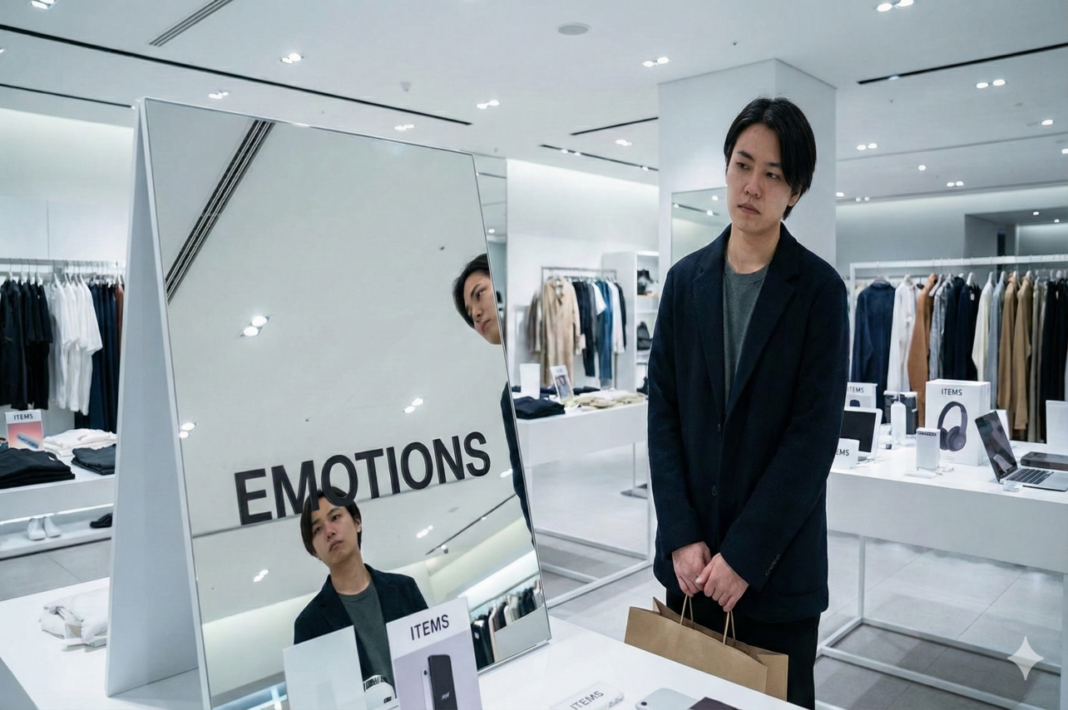

The package arrives, you open the box, and for a brief period you feel a huge satisfaction. But when looking back, you realize you didn’t buy this item because you needed it; you bought it because you had a stressful week.
We have all been there. Scrolling through apps when we feel bored or maybe at midnight because we seek a quick dopamine hit to counterbalance a stressful day. We call this retail therapy, and it is recognized as a coping mechanism. Research suggests that the simple act of making a purchase choice can help restore a lost sense of personal control. But the real question is this: is this feeling real, or is it just a temporary distraction? This article focuses on the psychological mechanisms behind our shopping habits and asks whether “adding to cart” can truly fix what’s wrong.
People often view shopping as an escape from stress. But what about regulating distress? While common responses to distress include rumination or even unhealthy habits, shopping is frequently criticized as wasteful. However, researchers argue that we might be judging retail therapy too harshly. They propose that shopping can have psychological benefits and that it can actually minimize sadness by giving us back a sense of choice.
Studies show that making shopping decisions works best for dealing with sadness, rather than emotions like anger or fear. Why? Because sadness is closely associated with helplessness. When we choose between the red shirt or the pink one, we are experiencing autonomy. In that small moment, we feel like we’re in charge of our own world again.
So, in moderation, browsing your favorite online store can actually be a helpful way to cope with a bad day. Even if we don’t end up buying anything, just looking and choosing can release dopamine and lift your mood.
However, there is a catch. While shopping can give our mood a quick boost, that good feeling usually doesn’t last very long. Our brain’s reward system, which runs on dopamine, is built to enjoy the chase more than the reward itself. We have all experienced it: waiting for the package to arrive often feels more exciting than actually having the item. Or maybe checking the tracking screen multiple times a day gives more of a rush than holding the product itself.
Once the box is opened, the dopamine fades, and we may find ourselves feeling exactly the way we did before—just with less money in our wallet—wondering, “Did I really need this?”
Moreover, we must recognize the risk of dependency. To avoid this, we shouldn’t rely solely on shopping to treat our emotions. For example, when we feel bored, sad, stressed, or even happy, we shouldn’t always rush to purchase new items. Instead, we should channel this energy into healthier habits—such as journaling, going for a walk, meditating, doing yoga, or meeting a friend.
Self-awareness is crucial here. We need to know our limits. If we realize that this habit is turning into a compulsion, we should immediately seek support and focus on building healthier coping mechanisms.
So, does this mean we should stop treating ourselves completely? Not necessarily. Retail therapy isn’t a bad thing, as long as it stays in moderation. The key is awareness—knowing what we’re doing and why.
Next time you feel like spending after a hard and stressful week, try adding items to your cart and then waiting 24 hours before hitting the “buy” button. You may realize that the fun of choosing was enough on its own, without any regret later. That waiting period can help you see that you didn’t need the item—you just needed a break from a rough week.
In the end, the best gift you can give yourself isn’t something you purchase; it’s peace of mind.
References
Rick, S. I., Pereira, B., & Burson, K. A. (2014). The benefits of retail therapy: Making purchase decisions reduces residual sadness. Journal Of Consumer Psychology, 24(3), 373–380.