


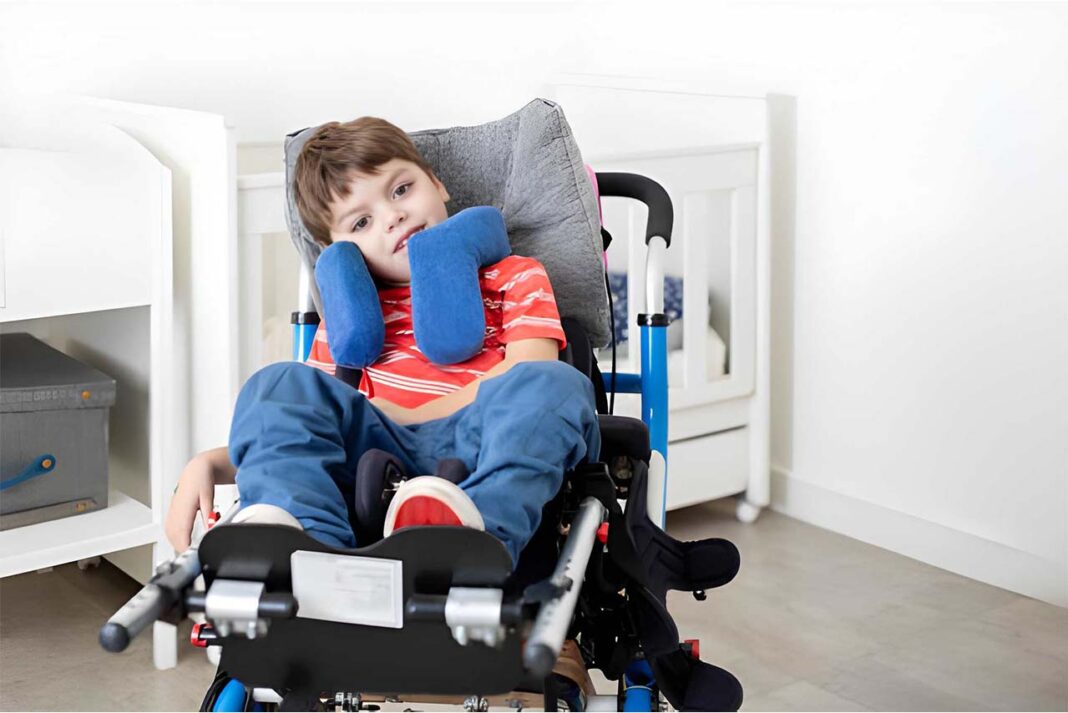

Cerebral Palsy (CP) is often perceived merely as a physical disability. However, Cerebral Palsy is a multidimensional life experience that leaves deep psychological traces not only on the individual diagnosed but also on their family members, siblings, and close environment. This article aims to go beyond the medical definition of CP and address the psychological burden experienced by individuals with CP, their families, and especially siblings who often remain invisible in this process.
What Is Cerebral Palsy (CP) And What Are Its Types?
Cerebral Palsy is a non-progressive neurodevelopmental disorder caused by damage to the motor control centers of the brain occurring before birth, during birth, or in the early postnatal period. It is characterized by impairments in movement, posture, and muscle control. CP presents in various forms, including spastic, athetoid (dyskinetic), ataxic, and mixed types. However, these classifications alone are insufficient to explain the psychological and social experiences of individuals with CP, as the condition affects each person at different levels and in different domains.
The Psychological Burden Of Individuals With Cerebral Palsy
Individuals with CP encounter societal norms from a very early age. Physical limitations, accessibility problems, peer bullying, and pity-based attitudes negatively affect self-perception and self-esteem. The constant need for assistance often conflicts with the individual’s desire for independence, gradually leading to an internalized sense of inadequacy.
Many individuals with CP struggle with recurring thoughts such as:
“I am different.”
“My family is exhausted because of me.”
These cognitive patterns may result in low self-esteem, social withdrawal, anxiety disorders, and depressive symptoms.
The Psychological Burden And Ongoing Dilemma Of Families
The diagnosis of Cerebral Palsy fundamentally alters the balance within the family system. While parents focus intensively on the care, treatment, and developmental needs of their child with CP, they simultaneously struggle with concerns about neglecting their other children. This places parents in a constant emotional dilemma, often accompanied by chronic stress, burnout, and feelings of inadequacy.
The Invisible Psychological Burden Of Siblings Of Individuals With CP
Siblings of individuals with CP are among the most affected yet least discussed groups. From an early age, these children come to realize that life is not always fair. They learn to suppress their own needs, remain silent, and appear emotionally strong. Feelings of guilt often emerge when they engage in activities such as going out with friends or pursuing personal achievements, while their sibling remains dependent on care at home.
Social Exclusion And Systemic Barriers
Cerebral Palsy is not solely an individual issue but a societal one. Insufficient accommodations in schools, social spaces, and public environments significantly hinder the lives of individuals with CP and their families. Difficulties in school enrollment, lack of inclusive education, and social exclusion reinforce feelings of isolation and worthlessness.
Conclusion And Author’s Note
This article is informed not only by theoretical knowledge but also by my personal experiences, field observations, and counseling practices. Cerebral palsy, disability psychology, caregiver mental health, and the psychological needs of siblings of individuals with CP constitute core areas of my professional interest and counseling practice.