


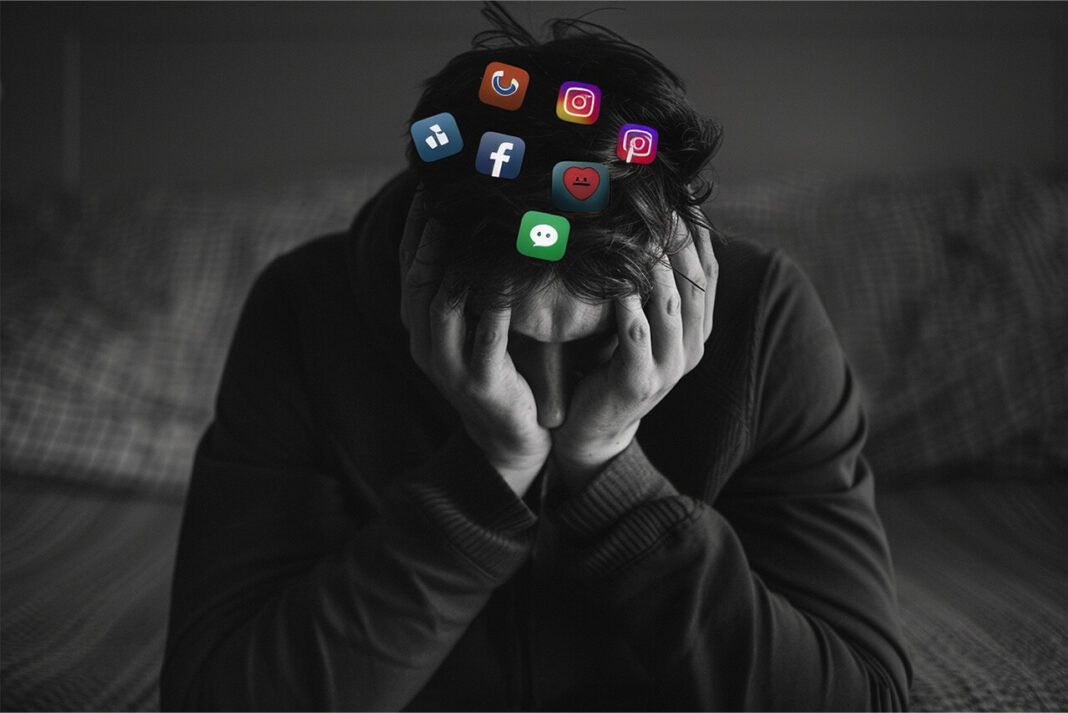

One of the invisible problems of the modern age is screen addiction… When we wake up in the morning, our hand reflexively reaches for the phone. This is no longer just a habit but has become an instinct. So how does this mechanism work? Are we truly connected by our own will? Or is there an internal dynamic that governs our brain without us realizing it? The answer lies in the intersection of psychology and neuroscience: the dopamine cycle.
What is Dopamine and Why is It So Powerful?
Dopamine is a neurotransmitter located at the core of our brain‘s reward system. It is a chemical messenger that motivates us and drives us to act with the expectation of a reward. However, dopamine release does not only increase during moments of pleasure but also during anticipation. In other words, dopamine is more about expectation than actual pleasure. What makes us feel good is not dopamine itself, but the anticipation it creates and the desire to fulfill that anticipation. That’s why the feeling of “maybe the next thing is more interesting” while scrolling through social media makes us addicted. Social media platforms are designed to trigger dopamine release and create addiction. Infinite scrolling, reward systems (likes and comments), and user interactions continuously stimulate our brain’s craving for “just one more hit of dopamine.”
How Does Dopamine Take Over?
Frequent and rapid release of dopamine causes the brain to build a kind of tolerance in the reward circuit. This disrupts the natural balance of the brain, requiring more stimuli to achieve the same reward. This leads to longer screen time, more content, and a greater desire for stimulation. Over time, the brain may even reduce its natural dopamine production.
As a result of repeated behaviors, simple daily activities begin to feel insufficient. In this cycle, we unconsciously experience mental fatigue, dissatisfaction, and a constant sense of emptiness. For example, we start watching a movie but find ourselves checking our phone within 10 minutes, or we begin a book but soon lose focus and feel bored. Because our brain has become accustomed to high dopamine levels, the following mechanism kicks in:
More Stimulus > More Habituation > More Boredom > More Seeking
What Does Neuroscience Say?
Research shows that the long hours spent on social media do not just waste time but also cause structural changes in brain functioning. Studies show that about 60% of social media users spend more than 5 hours a day on screens, and most experience withdrawal symptoms when not using them (Kuss & Griffiths, 2017). These symptoms are not only psychological but also have neurological foundations.
The prefrontal cortex is one of the brain areas most affected by dopamine imbalances. Frequent exposure to high stimuli, like social media, causes this region to weaken. Difficulty making decisions, automated behaviors, exhaustion, lack of focus, impulsivity, and procrastination are behavioral reflections of this process.
Neuroimaging studies show that constant social media use disrupts brain networks responsible for self-awareness, self-identity, and imagination (Raichle, 2015). These effects are more permanent in adolescents, as their brains are not fully developed and more vulnerable to stimuli, leading to long-term behavioral changes.
How Do We Escape the Dopamine Trap?
It is possible to break the dopamine cycle and build a healthy relationship with social media. However, this requires not just reducing screen time, but also reorganizing the brain‘s natural reward system.
Cal Newport’s digital minimalism approach is quite functional. According to this, using digital tools only when necessary and within specific limits helps reduce mental noise and creates higher-quality awareness. Limiting social media to one time block per day, turning off notifications, and creating “phone-free zones” in the home improve focus and reduce mental clutter (Newport, 2019).
Instead of immediately reaching for the phone when bored, trying to stay in that space of emptiness reactivates deep thinking, productivity, and creativity channels.
Also, making plans that make it harder to access screens, avoiding screens in the first hours of the morning, taking one-day social media fasts per week, or accessing apps only from a computer can prevent overloading the dopamine system.
It is also essential to feed dopamine not with quick bursts but through sustainable and profound sources. Regular exercise, setting and achieving meaningful goals, learning new things, reading books, walking, getting quality sleep, listening to music, taking care of a plant, and being in touch with nature help balance the brain’s reward system. These types of actions release dopamine more evenly and create a sense of inner satisfaction.
Psychological and Neurological Benefits of Digital Detox
Digital detox is not just a temporary break; it is a process that provides real psychological and neurological healing. Studies show that people who regularly practice digital detox have longer attention spans, better sleep quality, and significantly reduced anxiety levels (Twenge et al., 2018). Resting the prefrontal cortex, which is worn out by intense dopamine stimulation, helps rebuild self-control skills.
Psychologically, people begin to feel more adequate, peaceful, and balanced as social comparison decreases. The digital detox process also increases the ability to stay present, positively impacting emotional regulation and authenticity in relationships.
The inner emptiness felt during detox is normal but eventually lays the groundwork for creativity, insight, and real satisfaction.
Because for the mind to be truly productive, it first needs to pause, quiet down, and hear itself again.
REFERENCES
Kuss, D. J., & Griffiths, M. D. (2017). Problematic social networking site use: A systematic review of empirical research. International Journal of Mental Health and Addiction, 15(4), 593–618.
Raichle, M. E. (2015). The brain’s default mode network. Annual Review of Neuroscience, 38, 433–47.
Twenge, J. M., Joiner, T. E., Rogers, M. L., & Martin, G. N. (2018). Increases in depressive symptoms, suicide-related outcomes, and suicide rates among U.S. adolescents after 2010 and links to increased new media screen time. Clinical Psychological Science, 6(1), 3–17.
Newport, C. (2019). Digital Minimalism: Choosing a Focused Life in a Noisy World. Portfolio.