


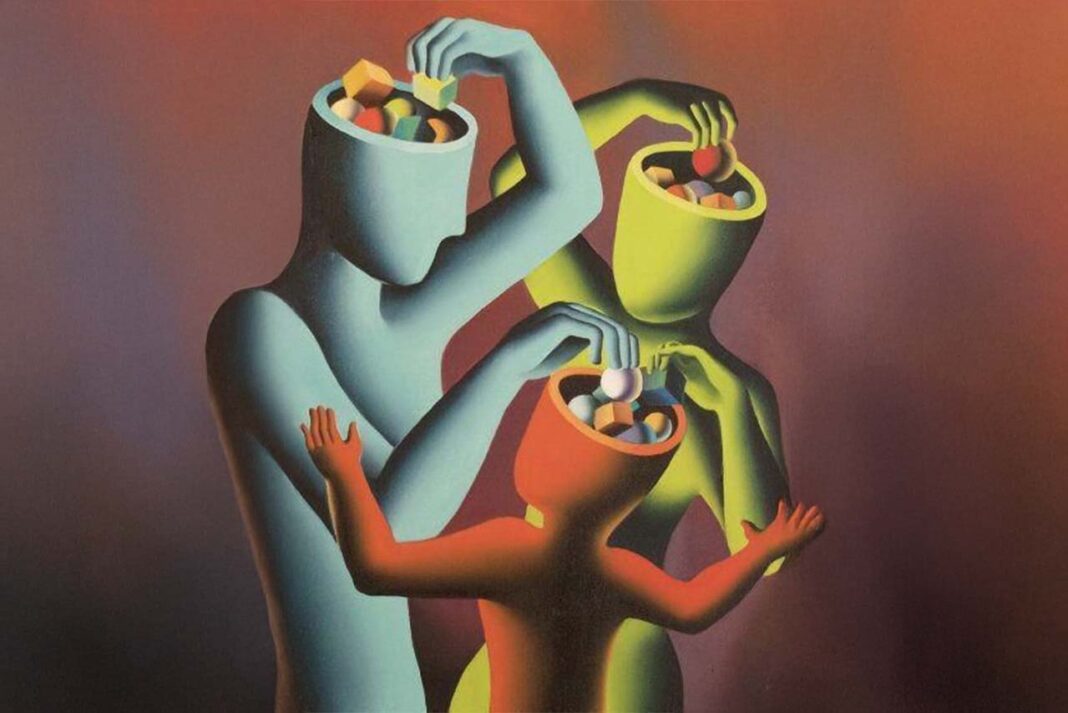

Today, most of us see mostly evil, injustice, and conflict in the media. But life is not only dark; there are still people who do good, show kindness, and perform small yet meaningful gestures. In psychology, the Light Triad, introduced by Laura Johnson, offers an approach that focuses on “seeing and practicing goodness” in everyday life (Johnson, 2018).
The Light Triad is based on three fundamental principles: Faith in Humanity, Humanism, and Kantianism. Simply put:
-
Believing that people are generally good (Faith in Humanity),
-
Showing respect, valuing each individual, and demonstrating empathy (Humanism),
-
Treating people as ends in themselves rather than as means to our own ends (Kantianism) (Johnson, 2018; Tekeş & Bıçaksız, 2021).
While this concept may sound theoretical, it can be applied in many aspects of our daily lives.
Faith In Humanity: Small Lights, Big Impact
Faith in humanity means accepting that people are fundamentally good. A simple example: helping an elderly person at the grocery store, stopping to let a child cross the street, or offering your seat on the bus. These small actions illuminate both your and others’ day.
Another example: being patient in traffic, letting someone go ahead, or yielding to a slower driver. Faith in humanity is not only expressed through heroic deeds but also through these everyday small choices (Johnson, 2018).
Research shows that when people notice these small acts of goodwill, they experience greater emotional well-being and stronger social connections (Swapnil Hyanky et al., 2024). Kindness is contagious and can unintentionally create a social chain reaction.
Humanism: Empathy And Understanding Others
Humanism involves trying to understand others without judgment and showing empathy. For example, if a friend is having a difficult day, simply listening and saying, “I understand, you’re right,” can make a big difference (Tekeş & Bıçaksız, 2021).
In daily life, this might look like helping your child understand a mistake instead of punishing them, assisting a neighbor with moving, or supporting a busy coworker. All of these actions are examples of the light of humanism.
Empathy can also be directed toward ourselves. Accepting our own mistakes and striving to understand ourselves rather than criticize is an important part of the Light Triad (Johnson, 2018). Showing self-compassion makes it easier to extend compassion to others.
Kantianism: Treating People As Ends, Not Means
Kantianism emphasizes not using people for our own benefit and recognizing each individual as inherently valuable.
A simple everyday example: managing a work project not only for personal gain but also valuing the contributions and growth of your team members. Or during a discussion, trying to understand the other person’s perspective rather than silencing them.
This approach enhances trust and respect in relationships, neighborhoods, schools, and workplaces (Kiral Uçar et al., 2023). When people feel valued, they are happier and more motivated to perform acts of kindness toward others.
Light Triad And Psychological Well-Being
The Light Triad is not only about behaving kindly toward others but is also connected to mental health and life meaning (Büyükşakar & Çelik, 2025). For example, performing small acts of kindness, trying to understand others, and behaving justly during the day can bring inner peace and a sense of purpose at the end of the day.
As a psychologist, I have observed that this approach is especially powerful for adolescents and young adults. Learning to value others at a young age significantly impacts social relationships, academic success, and overall life satisfaction (Büyükşakar & Çelik, 2025).
How Can We Integrate It Into Our Lives?
We do not need major changes to incorporate the Light Triad into daily life:
-
Helping someone on your way to work,
-
Attending to a small need of a neighbor or friend,
-
Being patient in traffic, smiling, or saying thank you,
-
Trying to understand the other person in discussions, valuing their opinions,
-
Treating yourself kindly when you make mistakes (Johnson, 2018; Tekeş & Bıçaksız, 2021).
These small steps illuminate both our inner world and our surroundings. The Light Triad does not require one to be a hero; it only requires choosing to be a kind, empathetic, and fair person.
Small But Powerful Light
Positive Psychology, empathy, and kindness have a psychological framework, and we can apply them in everyday life. Laura Johnson’s research shows that these values can be measured and applied in real life (Johnson, 2018). Small acts illuminate both our day and the day of others. Light is contagious; it strengthens the social fabric and makes our lives more meaningful.
References
Büyükşakar, S., & Çelik, E. (2025). The significance of Light Triad in terms of spiritual intelligence. Sakarya Üniversitesi Holistik Sağlık Dergisi, 8(2), 71–79.
https://dergipark.org.tr/tr/pub/sauhsd/issue/94454/1688086
Johnson, L. K. D. (2018). The Light Triad Scale: Developing and validating a preliminary measure of prosocial orientation (Master’s thesis). Western Ontario University.
https://ir.lib.uwo.ca/etd/5515
Kiral Uçar, G., Kaynak Malatyali, M., Özdemir Planali, G., & Kanik, B. (2023). Personality and pro-environmental engagements: The role of the Dark Triad, the Light Triad, and value orientations. Personality and Individual Differences, 203.
https://doi.org/10.1016/j.paid.2022.112036
Swapnil Hyanky, T., Biswas, S., Biswas, T., & James, C. S. (2024). Relationship between Light Triad of personality and self-monitoring and meaning in life among adults. World Journal of Advanced Research and Reviews, 22(3), 23–31.
Tekeş, B., & Bıçaksız, P. (2021). Psychometric properties of the Light Triad Scale. AYNA Klinik Psikoloji Dergisi, 8(3), 535–556.
https://doi.org/10.31682/ayna.871395