


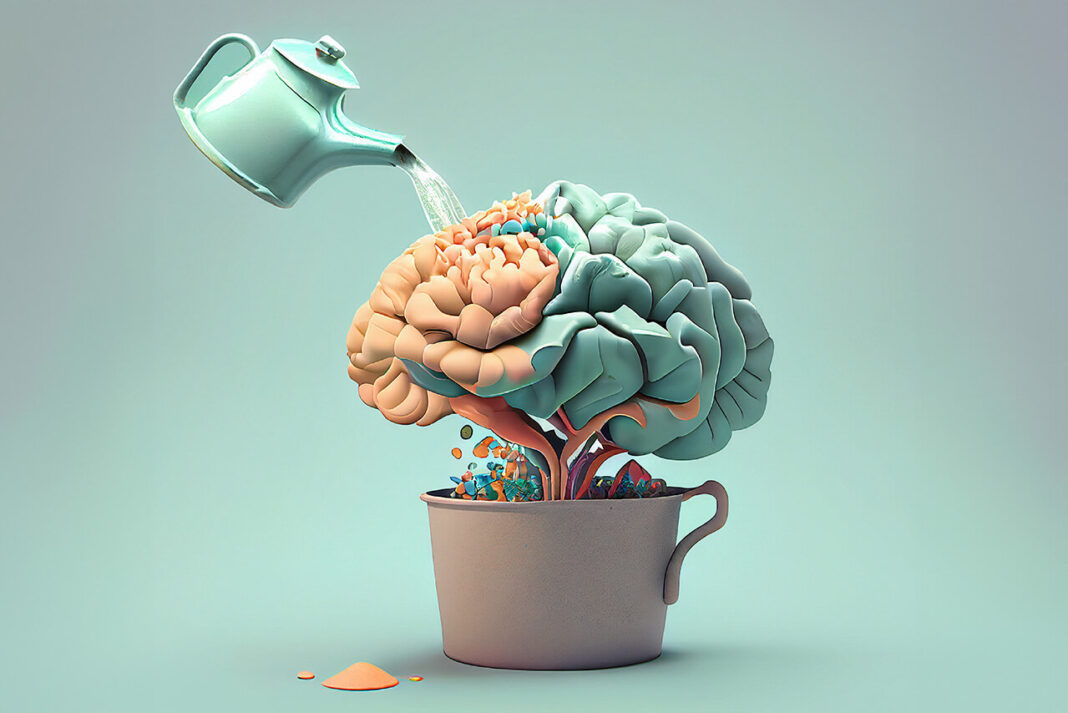

In today’s world, the fast pace of life, stress, and uncertainty leave many people facing deep psychological struggles. Every day, we grow a little more tired; sometimes it’s anxiety, sometimes fear of the future, and sometimes the scars of the past. Psychological healing is perhaps one of the most silent yet most important processes in dealing with these invisible burdens. There is a question that many people silently ask themselves: “Am I healing, or am I just managing life?” This question is one of the quietest cries of modern times.
Healing or Just Surviving?
Psychological healing often doesn’t look like a “turning point.” It’s neither applauded nor easily noticed from the outside. Sometimes it begins with something as simple as being able to get out of bed a little easier one morning or no longer crying when remembering an old memory. Society tends to confuse healing with just holding it together, but true healing is about making peace with fragility, allowing emotions to exist, and pushing forward despite everything. And this process is always quiet. It’s not flashy, and sometimes it doesn’t even convince you that you’ve healed.
Psychological Healing is Silent
Our brain, especially after traumatic experiences, may keep the “threat perception” active for a long time. Even if the danger is in the past, the nervous system remains on high alert. This is why some people might smile but feel internally on edge. Regions of the brain, like the amygdala, which controls emotional memory, can perceive traces of the past as though they are the present reality. This can slow down the psychological healing process. Even though a person may appear “normal” on the outside, the battle in their mind has not yet ended. That’s why healing requires time, repetition, and most importantly, compassion. The understanding we show ourselves can sometimes be a more powerful healer than medication.
As Our Brain Tries to Protect Us…
After traumatic experiences, our brain, driven by survival instincts, may continue to keep the threat perception active for a long time. This means that even if everything seems fine now, a past trauma can keep our brain in a state of alert. This makes the person psychologically more sensitive and fragile. Mental healing is a search for harmony between the brain and body. Psychological healing is often a subtle process, not immediately noticeable from the outside. The individual progresses step by step in finding emotional and mental balance, working toward inner peace.
A Process That Begins with Compassion
Psychological healing is often thought to be a rapid and dramatic transformation, but in reality, it’s a deep and quiet process. Sometimes healing isn’t about big steps, but the accumulation of small moments. Showing compassion to ourselves, accepting who we are, and being patient with the process are the building blocks of healing. Because healing requires not just physical but also emotional and mental transformation. The compassion we show ourselves gradually brings out our inner strength. In today’s world, strength is often equated with being emotionless, but true resilience lies in accepting pain, anxiety, and vulnerability. Sometimes, psychological healing doesn’t require a dramatic explosion or miracle. It begins simply with one morning where we feel a little less pain or breathe a little more deeply. And that is a powerful step. Perhaps the greatest strength is the ability to continue silently, despite everything.